
Have you ever wondered how a simple name can carry profound spiritual meaning? Many names in the Bible not only identify individuals but also reflect their character and purpose. The name “Amos” is no exception. This article explores the significance of Amos’s name, what it reveals about his role in Scripture, and what his message means for believers today.
Amos, a prophet of the Old Testament, provides insights into God’s heart for justice and mercy. His message serves as a powerful call to live righteously amidst societal wrongs, highlighting the eternally relevant theme of God’s demand for justice and genuine worship.
What Does Amos Mean?
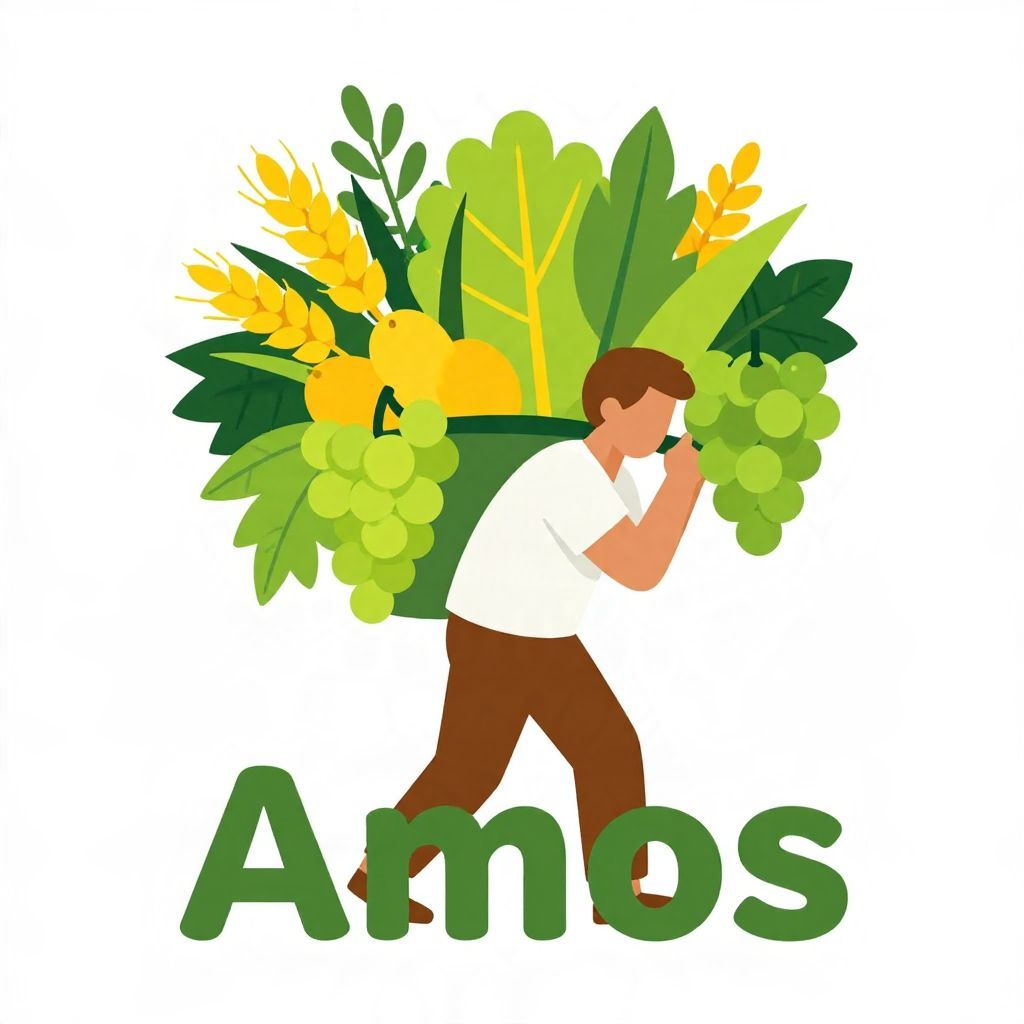
The name “Amos” means “carried” or “borne” in Hebrew. This carries a significant weight when we consider Amos’s role as a prophet. He carried the heavy burden of God’s message to Israel, emphasizing the importance of social justice and faithfulness. Understanding the meaning of his name sets the stage for grasping the prophetic messages contained within the book of Amos.
The Burden of Amos’s Prophecies
Amos did not choose to be a prophet; God called him from a life of tending sheep and sycamore trees to deliver His message. His name symbolizes the load he carried — a weighty responsibility to confront Israel concerning their injustices.
In Amos 1:1, the narrative begins with his remarkable call: “The words of Amos, one of the shepherds of Tekoa—the vision he saw concerning Israel two years before the earthquake, when Uzziah was king of Judah and Jeroboam son of Jehoash was king of Israel.” This verse indicates the context and urgency of his messaging.
The Call to Repentance
Amos’s primary message urges the Israelites to repent from their wrongful ways. He warns them of impending judgment for neglecting justice and oppressing the poor. What does this challenge mean for you today? Are there areas in your life where you neglect justice or the needs of others? God calls each of us to examine our actions.
In Amos 5:24, he declares, “But let justice roll on like a river, righteousness like a never-failing stream!” This vivid imagery emphasizes how God desires justice to be an integral part of life, not just an occasional act.
Amos’s Context and Message
Understanding Amos’s context enriches our grasp of his message. He prophesied during a time of prosperity in Israel, yet spiritual and moral decay festered. Wealth disparity grew, and the affluent ignored the plight of the vulnerable. What about the context of your community? Are voices of justice being disregarded?
Economic Injustice
Amos boldly confronts the Israelites, particularly the elite, regarding their economic injustices. In Amos 8:4-7, he voices God’s outrage at the manipulation of trade and the exploitation of the needy. This message remains pertinent today. Are business practices in your life or community honoring the Lord by upholding integrity and fairness?
In Matthew 25:40, Jesus reinforces this message by teaching that how we treat the least among us reflects our service to Him. Hence, Amos’s words echo into the church and society today. Justice is not optional; it’s central to God’s character.
Spiritual Hypocrisy
Amos also critiques spiritual hypocrisy among the Israelites. Their religious practices became empty rituals devoid of true worship. In Amos 5:21-23, God expresses His disdain for their feasts, saying, “I cannot stand your religious festivals.” This was a firm reminder that He desires hearts attuned to His truth, not mere outward displays of piety.
This raises a question: Do you approach worship with sincerity? God longs for authentic hearts that genuinely seek Him, not just fulfill religious duties. True worship compels believers to act justly and care for others.
Imagery and Symbolism in Amos
Amos employs vivid imagery and symbolism to convey his messages, which significantly enhances the listener’s understanding. The metaphors paint a clear picture of God’s impending judgment but also reflect His deep concern for fashioning His people into a loving community.
Locusts and Fire
In Amos 7:1-6, the prophet depicts visions of locusts and fire. These elements signify impending destruction and divine judgment. Why does God employ such imagery? He desires to evoke a sense of urgency regarding the seriousness of their actions and the drastic consequences that follow. Are you desensitized to the consequences of sin in your life?
The Plumb Line
Another powerful symbol occurs in Amos 7:7-9, where God shows Amos a plumb line. This tool measures straightness, indicating God’s standard of righteousness. The nation’s deviation from God’s standards required correction. Believers should continuously evaluate their lives against God’s Word, ensuring alignment with His will and ways.
The Relevance of Amos Today
Amos’s messages resonate with believers today. The call to address injustices, practice genuine worship, and evaluate societal norms remains vital. What role do you play in pursuing justice in your community?
The Call to Justice in the New Testament
The themes in Amos connect intricately with what Jesus taught during His ministry. Jesus embodies the justice and mercy Amos called for. Matthew 5:6 states, “Blessed are those who hunger and thirst for righteousness, for they will be filled.” This hunger for righteousness invites believers to join God’s work in restoring justice.
As believers, we are called to be God’s instruments of justice. Engage in advocacy for those who cannot speak for themselves, whether through local initiatives, missions, or prayers. Are you stepping out of your comfort zone to respond to the needs around you?
Responding to God’s Call
Living out the lessons from Amos requires action. Reflect on how God might be prompting you today. Perhaps you feel called to serve those marginalized in society, join community efforts, or pray for change. God desires active participation from His people.
In addition, continuously seek God’s heart regarding your own spiritual practices. Consider developing deeper practices of worship that extend beyond Sundays. When you connect genuinely with God, you affirm that your faith expresses itself through love and service.
Conclusion: Amos’s Invitation
Amos’s message invites believers to carry the weight of God’s call upon their lives. His name reflects a responsibility that each Christian possesses: to walk justly, love mercy, and honor God through authenticity. As you contemplate the lessons from Amos, remember that God desires transformation in hearts first and foremost.
Consider praying this simple prayer: “Lord, open my eyes to injustice and help me respond with compassion. Teach me to worship you authentically in all areas of my life.”
Explore more faith-based topics and articles to deepen your understanding, prayer life, and engagement within your community. You can find resources for seeking prayer with All Christian Prayer and specific prayers for family with this prayer for a son.