
Have you ever wondered about the significance of Mecca in the grand narrative of faith? Many people around the world recognize its importance, but few truly understand what it represents and where it is found. Exploring Mecca not only reveals geographical details but also deepens our understanding of spiritual heritage.
Mecca, located in present-day Saudi Arabia, stands at the heart of Islamic tradition as the birthplace of the Prophet Muhammad and home to the Kaaba. Understanding its location and significance can enrich our appreciation of diverse faith practices and the call to reverence in Scripture.
Where Is Mecca Located?
Mecca is located in western Saudi Arabia, in the mountainous region of Hejaz, approximately 80 kilometers (50 miles) inland from the Red Sea coast. It serves as one of the most important spiritual centers in Islam, known primarily for the Kaaba situated within the Masjid al-Haram, the Great Mosque.
The Physical Layout of Mecca
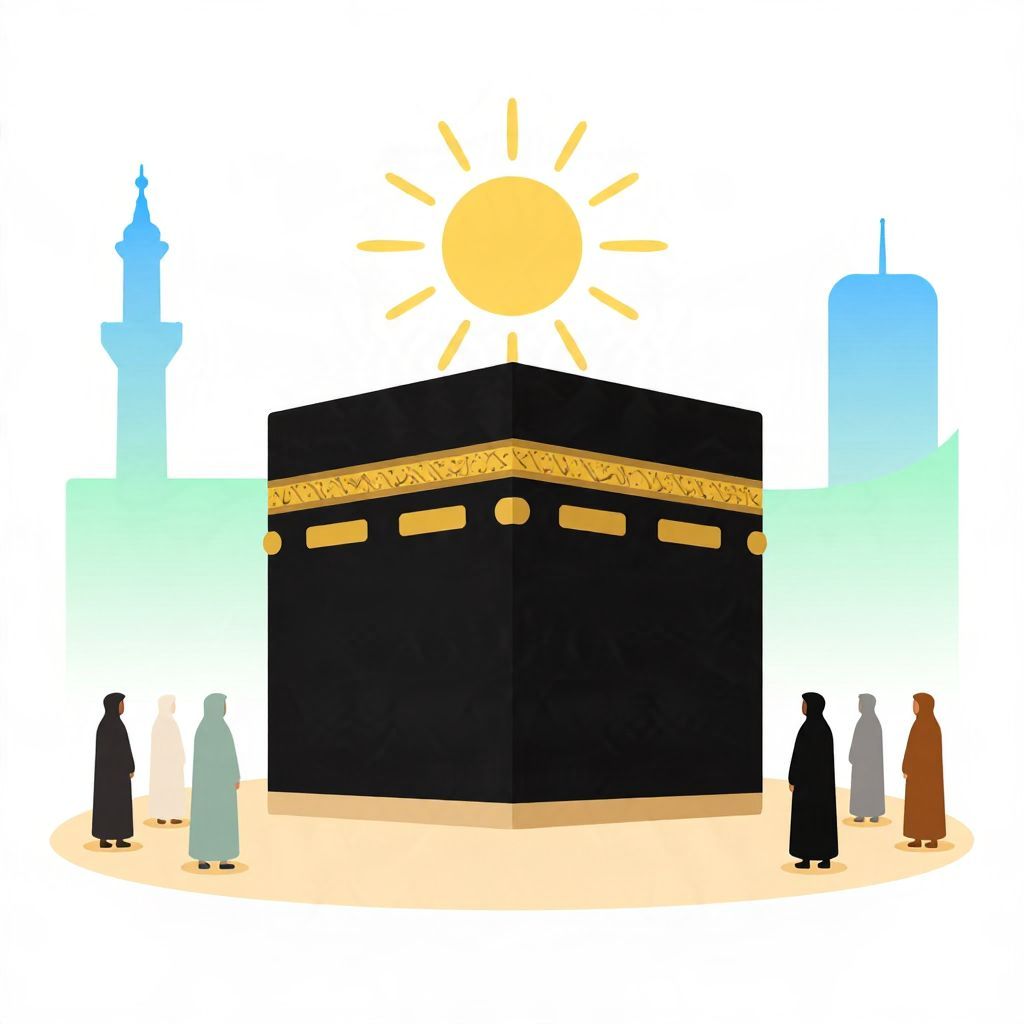
Mecca is surrounded by hills and mountains, which creates a natural landscape that is both striking and significant. The Kaaba, at the center of the Masjid al-Haram, draws millions of pilgrims each year.
Consider the significance of this location; it’s in the heart of religious devotion for millions worldwide. Have you ever placed yourself in a space of deep spiritual connection?
Transportation and Accessibility
Modern transportation options make Mecca accessible to millions. The King Abdulaziz International Airport serves as the primary gateway for international pilgrims. Roads and rail service connect Mecca to other major cities in Saudi Arabia.
This accessibility demonstrates the heart of a father inviting His children back to Him. How do you respond to invitations in your spiritual walk?
Historical Significance of the Location
Mecca’s historical significance further enriches its spiritual importance. It has served as a trade and cultural hub long before it became a center for Islamic faith. The roots of its importance extend deep into ancient history.
In Abrahamic faiths, Mecca symbolizes a journey toward unity with God. How can we view our own pilgrimage toward spiritual maturity in light of this historical backdrop?
The Spiritual Significance of Mecca
For believers, Mecca represents a divine calling. The annual Hajj pilgrimage, which every Muslim is required to undertake at least once in their lifetime if physically and financially able, draws millions to its sacred sites. This is not merely a physical journey but a profound spiritual experience.
The Kaaba: A Holy Abode
The Kaaba is considered the most sacred site in Islam. As the qibla (direction of prayer), it unites Muslims around the world in their daily prayers. This unity reflects God’s desire for togetherness among humankind.
The image of the Kaaba evokes reflections of faith. How does the idea of a central divine focus resonate with your relationship with God?
Lessons from the Pilgrimage
The Hajj pilgrimage is enriched with symbolic acts that reflect surrender, humility, and devotion. Notable rituals include the Tawaf (circumambulating the Kaaba) and Sa’i (walking between the hills of Safa and Marwah). Each act is laden with spiritual significance.
The communal aspect of the Hajj showcases a deeper truth: God calls us to live in context. What opportunities for communal worship or service does your local church community provide?
The Cultural Landscape of Mecca
Mecca serves as a convergence point for diverse cultures that celebrate and participate in Islamic traditions. This cultural melting pot shows the universality of faith in human history.
Traditions and Practices
Traditions flourish around Mecca that enhance its spiritual environment. The yearly influx of pilgrims fosters an atmosphere of love and peace, demonstrating faith’s ability to unite across borders.
We see God’s hand even in diversity; it serves as a punctuation mark to the symphony of faith. How do you embrace the diversity of faith practices in your daily life?
The Role of Local Citizens
The citizens of Mecca are known for their hospitality towards pilgrims. They provide guidance, support, and resources to ensure that visitors have a fulfilling experience during their religious journey.
This spirit of hospitality recalls the Biblical principle of serving others (Mark 10:45). Do you consider how your actions reflect Jesus’ call to serve?
Challenges Facing Mecca Today
While Mecca thrives as a spiritual center, it faces challenges associated with rapid urbanization and global attention. Balancing the needs of a growing populace with the spiritual significance of the city is critical.
Environmental Concerns
Urban expansion generates concerns about environmental sustainability. Efforts are underway to maintain a balance between growth and preserving the holiness of the city.
Guarding creation aligns with God’s command in Genesis 2:15, where humanity is called to care for the earth. What steps can you take to promote sustainability in your community?
Maintaining Spiritual Integrity
With significant crowds come concerns regarding maintaining the sanctity and the spiritual atmosphere of the pilgrimage. Measures are necessary to ensure that spiritual experiences highlight God’s glory rather than distractions.
Contemplating distractions in our spiritual journeys invites reflection. What practices do you engage in to safeguard your focus on God?
Exploring Various Faith Perspectives
Mecca’s prominence reveals the interwoven threads of faith that connect different religions. While it holds a central place in Islam, it echoes the sentiments of historical religious narratives found in Christianity and Judaism.
Connection to Abrahamic Traditions
Mecca’s significance also resonates in biblical texts. The heritage extends back to Abraham, who, in the Islamic faith, is seen as a pivotal figure in establishing monotheism.
Such connections underline the shared roots of faith. How can understanding these connections enhance your witness to others?
The Legacy of Faith
Whether through the lens of Jewish, Christian, or Islamic traditions, Mecca serves as a powerful symbol of faith’s legacy across the ages. It invites believers into a broader narrative of spiritual longing and divine purpose.
Reflecting on legacies, what stories of faith inspire your life and actions today?
Practical Steps for Engaging with the Spiritual Significance of Mecca
As you delve deeper into the significance of Mecca, consider practical steps to engage with its spiritual lessons:
- Study the foundational texts of your faith, including looking into the Qur’an for Islamic teachings on Mecca.
- Engage in prayer focusing on global unity among believers, reflecting the communal nature of the Hajj.
- Participate in community service projects that promote inclusivity and serve the needs of your local community.
- Foster awareness of environmental stewardship in your daily practices to reflect God’s care for creation.
- Explore interfaith dialogues that celebrate our shared faith heritage while respecting differences.
These steps ground your understanding of Mecca’s significance and align your spiritual journey with God’s purpose. How might you take action this week to reflect on these practices?
Final Reflections on Mecca’s Role in Spiritual Growth
Mecca serves not only as a geographical landmark but also as a spiritual waypoint that calls believers to deeper reflection and devotion. The unity of purpose and faith highlighted by Mecca encourages everyone to seek God earnestly.
In your exploration of faith, consider how God might be inviting you to partake of this pilgrimage of the heart. What do you sense God is asking you to address in your life today?
Explore more faith-based topics and articles to deepen your spiritual journey. Consider seeking guidance through a prayer for safe travel or uplift a loved one with a prayer for their journey.