
Have you ever struggled with your identity in a complicated world? Often, life’s challenges force us to wrestle with who we truly are. In the Bible, Jacob stands out as a figure who navigated intense personal conflicts and encounters that shaped not only his identity but also the trajectory of God’s chosen people. This article unpacks Jacob’s story and explores its significance for understanding God’s character and His plans for humanity.
Jacob, the son of Isaac and Rebekah, and the grandson of Abraham, is a key biblical figure whose life unfolds dramatically throughout the book of Genesis. His story reveals essential truths about God’s grace, providence, and the transformative power of Divine encounters. Every twist and turn in Jacob’s life resonates with our own spiritual journeys.
Who Is Jacob In The Bible?
Jacob, in the Bible, is a patriarch whose life story is recorded primarily in the book of Genesis. He is known for his complex character, marked by struggles, dreams, and encounters with God. Jacob’s journey from deceit to transformation illustrates God’s unwavering faithfulness and grace.
Early Life and Destinies
Jacob was born as the younger twin of Esau, grabbing his brother’s heel at birth, symbolizing a lifelong struggle. Genesis 25:26 states, “After this, his brother came out, with his hand gripping Esau’s heel; so he was named Jacob.” Here, the name Jacob means “he grasps the heel” or “he deceives,” foreshadowing his future.
From an early age, Jacob showed different traits than his brother Esau, who was favored by their father Isaac. Jacob became the favorite of his mother Rebekah, which set the stage for conflict and competition. Do you ever feel the effects of favoritism in your own relationships?
The Birthright and the Blessing
Conflict reached a climax when Jacob, driven by ambition, manipulated circumstances to secure his birthright. In Genesis 25:29-34, he offered Esau a bowl of stew in exchange for his birthright. At that moment, Esau valued immediate satisfaction over his long-term inheritance. This moment drives home the lesson that choices made in moments of desperation can lead to lasting consequences.
Later, Jacob deceived his father Isaac to receive the blessing meant for Esau. In Genesis 27, with Rebekah’s help, Jacob disguised himself as Esau and received the patriarchal blessing. For a moment, it seemed Jacob was successful, yet he also bore the brunt of his deception. Is it possible that manipulation creates more distance than closeness in your relationships?
Running Away
The consequences of Jacob’s actions forced him to flee from his brother. He left home terrified, knowing that Esau wanted revenge. This flight into exile marks the beginning of a new chapter in Jacob’s life. Friends or family misunderstandings can lead to feeling isolated, but they can also lead us to rely on God. Jacob experienced a fear-induced flight, but God had a divine purpose in his wandering.
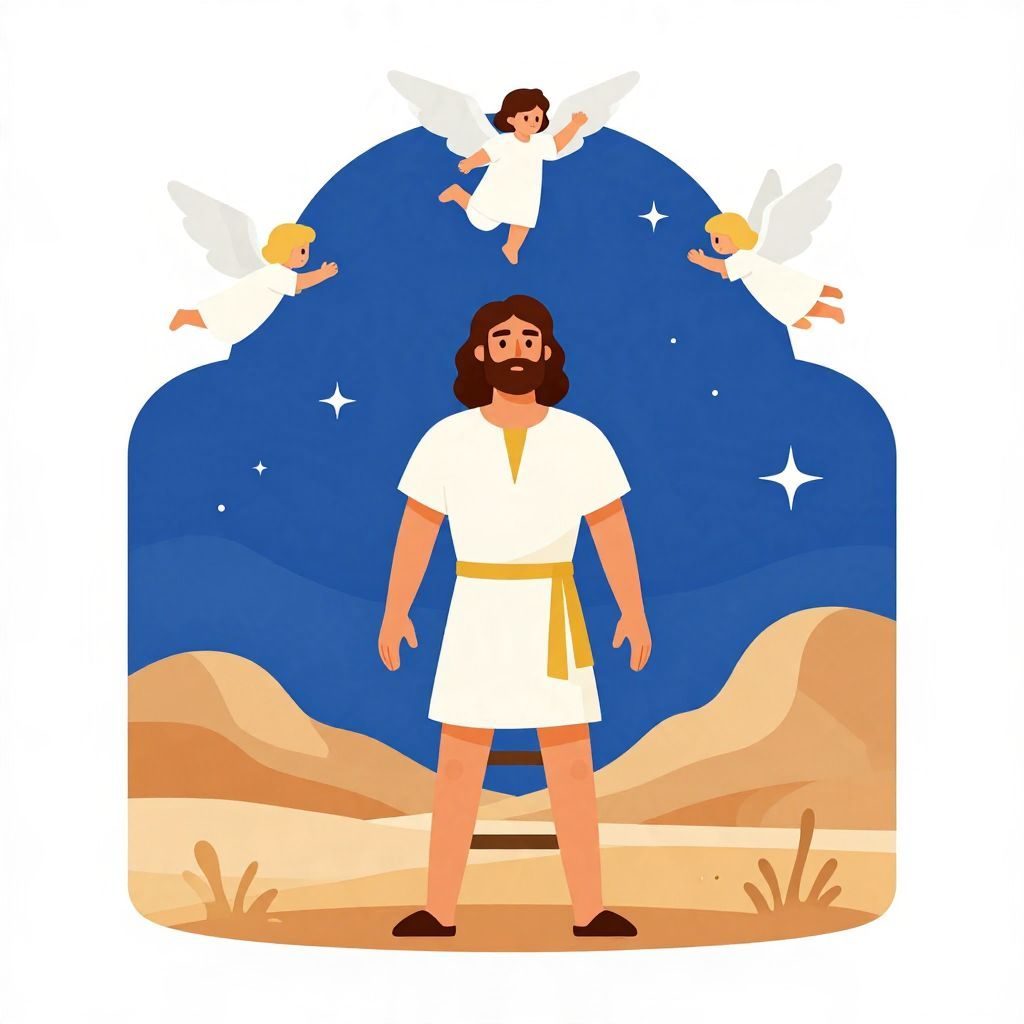
During the night of his escape, Jacob had a profound encounter with God at Bethel. Genesis 28:12-15 describes how he dreamt of a ladder reaching to heaven, with angels ascending and descending. This dream communicated God’s promise and presence, affirming that Jacob was not abandoned despite his mistakes. How often have you felt abandoned during challenging times?
The Transformation at Peniel
Years passed, and Jacob faced further trials that led to a life-changing event at Peniel. In Genesis 32:22-32, Jacob wrestled with a mysterious figure, believed to be God Himself or a heavenly messenger. This encounter exemplified Jacob’s struggle for identity and redemption. Jacob clung to the figure, demanding a blessing, which demonstrates his desire for a deeper relationship with God.
God changed Jacob’s name to Israel, which means “he struggles with God.” This moment symbolizes a shift from self-reliance to reliance on God’s strength and purpose. What struggles in your life could turn into transformative encounters with God if you approached them differently?
The Reunion with Esau
When Jacob returned home, he faced the daunting reality of reconciling with Esau. He prepared for the worst and strategized to smooth the way for their reunion. Genesis 33 reveals a beautiful moment of reconciliation where Esau embraced Jacob. This incident is a testament to God’s work in the hearts of both brothers.
Reconciliation among estranged family members provides a powerful illustration of God’s redemptive work. It underscores that no relationship is beyond repair when infused with compassion and grace. Have you seen examples of healing in strained relationships in your life?
The Significance of Jacob’s Life
Jacob’s life presents profound lessons about God’s grace, covenant, and the complexity of human nature. His journey toward spiritual maturity challenges the notion that we must be perfect for God to use us. Jacob was deeply flawed, yet he ultimately became an ancestor to the twelve tribes of Israel.
God’s Unconditional Grace
One of the most significant truths from Jacob’s story is God’s grace. No matter how flawed or deceived Jacob behaved, God remained faithful to him. In Genesis 28:15, God promises Jacob, “I am with you and will watch over you wherever you go.” This assurance reflects God’s commitment even when Jacob strayed.
Even when we stumble in our spiritual journey, God’s grace remains steadfast. Grace does not condone our mistakes; instead, it invites us to transformation and redemption. Are there areas in your life where you need to open yourself to God’s grace?
The Importance of Identity
Jacob’s shift from deception to integrity challenges each believer to reflect on their personal identity before God. The name change from Jacob to Israel reflects a deeper truth about how God sees us. In Christ, we are made new creations (2 Corinthians 5:17). Our identities do not hinge on past failures, but on who God has called us to be.
Understanding our spiritual identity shapes how we interact with the world and the issues we face. How does knowing your identity in Christ influence your choices each day?
Lessons in Perseverance
Jacob’s encounters encourage believers to embrace perseverance. His struggles shaped his faith, much like the challenges we encounter today. God often uses trials to refine our character and bring us closer to Him. James 1:2-4 teaches that we should consider it pure joy when we face trials because they produce perseverance.
Jacob demonstrates that tenacity in faith often leads to profound encounters with God. When faced with adversity, look for opportunities for growth, knowing God seeks to deepen your relationship with Him through each hardship. How can you adjust your perspective about current struggles to seek God’s purpose?
Practical Applications of Jacob’s Story
The story of Jacob offers rich insights for living a faith-filled life. Here are some ways to apply these truths to daily living:
- Seek reconciliation where there are strained relationships. God honors your willingness to reach out in love and sincerity.
- Embrace your identity as a beloved child of God. Remember that your worth doesn’t depend on past mistakes but on the love God has for you.
- Persevere through trials, knowing they can be opportunities for God to display His power in your life.
- Recognize moments of divine encounter in your daily life. God desires a relationship with you and will often speak into your circumstances.
The Legacy of Jacob
Jacob’s legacy extends beyond his life and family, as he laid the foundation for the nation of Israel. His struggles, triumphs, and ultimate transformation serve as a backdrop for understanding God’s covenantal relationship with His people. God chose to work through Jacob, emphasizing that divine purpose often operates through imperfect vessels.
From Jacob’s lineage came the twelve tribes of Israel, and from those tribes, we eventually find Jesus, the ultimate fulfillment of God’s promise to bring redemption. Genesis 49:10 declares, “The scepter will not depart from Judah, nor the ruler’s staff from his descendants until the coming of the one to whom it belongs.” God’s faithfulness throughout generations affirms His unchanging character.
Conclusion
As we reflect on Jacob’s story, we recognize that his life teaches us valuable lessons about grace, identity, and perseverance. God invites each of us to bring our struggles to Him. Even when mistakes arise, He remains faithful, guiding us toward transformation.
Let Jacob’s journey prompt you to seek deeper encounters with God, embrace your identity in Christ, and pursue reconciliation in your relationships. God continually writes stories of redemption, and yours can be part of His greater narrative.
Explore more faith-based topics and articles that deepen your understanding and relationship with God. You may find prayers for various situations, such as a prayer for Israel, or comfort in times of loss through a prayer for the deceased. Each prayer reflects the desire for connection with God and the call to support one another in faith.