
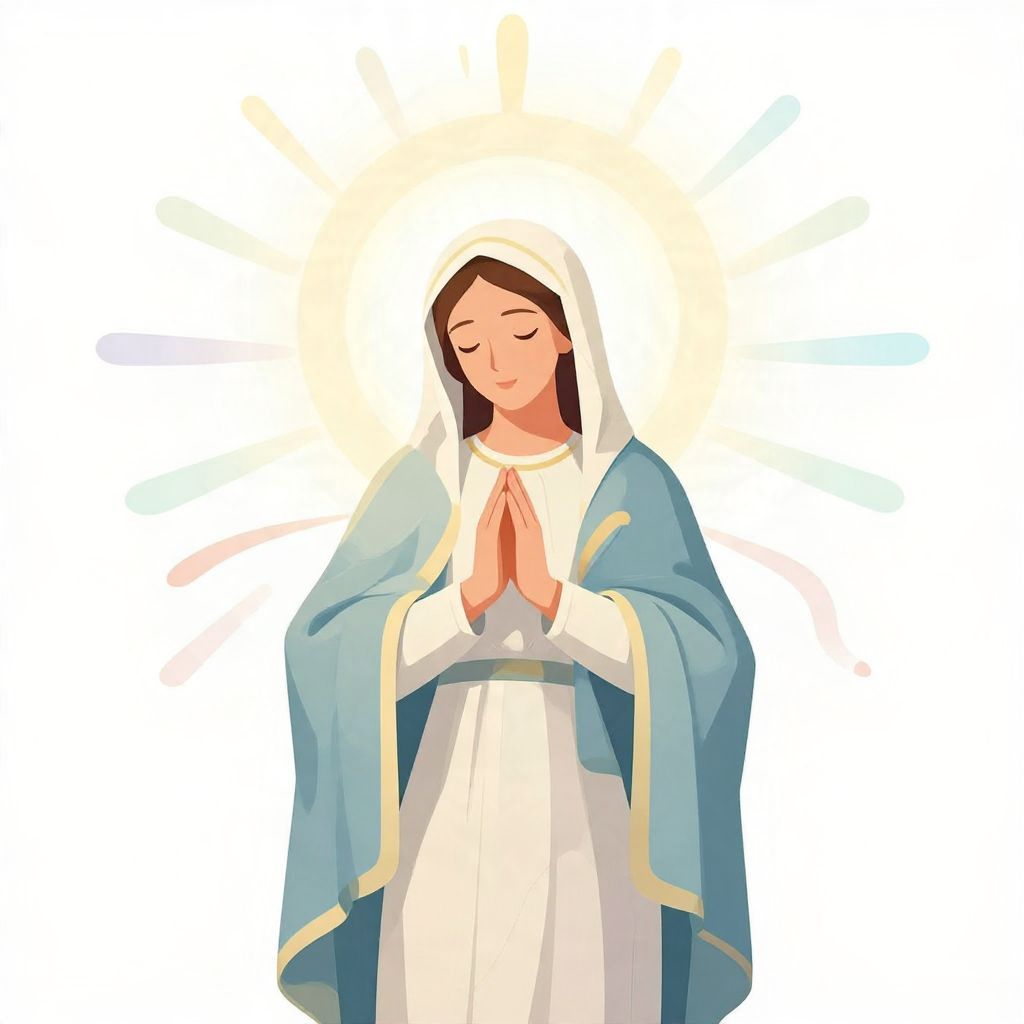
Have you ever felt uncertain about the role women play in your faith? Many believers grapple with the question of why Catholics pray to Mary, the mother of Jesus. Understanding this practice sheds light on a profound aspect of Catholic spirituality and how it connects believers to God.
This article explores the reasons Catholics pray to Mary and the foundational biblical principles that underpin this devotion. It matters because it invites deeper engagement with faith, fostering a closer relationship with God.
Why Do Catholics Pray To Mary?
Catholics pray to Mary because they seek her intercession, honor her unique role in salvation history, and recognize her as a model of discipleship. They believe that Mary, as a mother, can powerfully present their needs to her Son, Jesus.
Understanding Mary’s Role
Mary holds a special place that is not equal to God but is revered as the mother of Jesus Christ. The angel Gabriel’s announcement in Luke 1:28 marks her significance. He called her “blessed among women” because she accepted God’s will to bear the Savior.
Mary’s acceptance illustrates a profound faith in God. In Luke 1:38, she responded, “I am the Lord’s servant. May your word to me be fulfilled.” Her willingness serves as an example of humble obedience to God’s plans for all believers.
The Intercessory Role of Mary
Catholics believe that prayers to Mary request her intercession, just as one might ask a trusted friend to pray for them. This practice draws from the understanding that the Church is a community, both on earth and in heaven.
1 Timothy 2:1 encourages believers to intercede for one another, implying that prayer networks extend beyond life on earth. Mary, being in heaven, has a unique connection to Jesus and, therefore, can intercede on behalf of those who pray to her.
Mary’s Intercession in Scripture
The wedding at Cana (John 2:1-11) beautifully illustrates Mary’s intercessory role. When the hosts ran out of wine, Mary noticed the need and brought it to Jesus. Her simple request to Him resulted in a miraculous provision. This story teaches that Mary is attentive to human needs and can communicate these to Jesus on behalf of believers.
When Catholics pray to Mary, they follow the example set by the early Church. They acknowledge that asking for Mary’s prayers brings a deeper intimacy with Jesus. Their love for her stems from recognizing her pivotal role in God’s plan for salvation.
A Mother’s Love
The heart of the matter rests in Mary’s role as a mother. A loving mother always desires the best for her children. Hence, asking Mary for help reflects a natural human desire to seek comfort from a maternal figure, especially during challenging times.
Consider this: When feeling troubled, do you reach out to loved ones for counsel? Similarly, Catholics turn to Mary, believing she genuinely understands their struggles as a compassionate mother in heaven.
Mary’s Influence on Spiritual Life
Mary’s life teaches profound lessons in faith and surrender. Her Magnificat (Luke 1:46-55) exemplifies how to praise God despite life’s uncertainties. When Catholics pray to her, they find inspiration to embrace God’s will.
Mary becomes a guide further enriching the prayer life. Her example encourages a deeper connection with Jesus, offering patterns of faith that align with Scripture. In that way, she motivates believers to live piously and in harmony with God’s desires.
Questions of Honoring vs. Worshiping
An essential point of clarity is the distinction between honoring and worshiping Mary. Catholics honor her but do not worship her, as worship belongs solely to God. Understanding this difference can clear misconceptions held by others who view Marian devotion as idolatrous.
The Catholic Church explicitly teaches that worship is reserved for God alone. Mary’s veneration serves to draw closer to her Son, who is our ultimate Savior. This distinction reassures that love and reverence toward Mary do not detract from God’s glory.
Prayers to Mary: Form and Function
Catholics utilize various forms of prayers to Mary, including the Hail Mary and the Rosary. Each prayer emphasizes her maternal role and intercessory abilities. The repetition serves to intensify focus on Jesus through meditative prayer.
The Rosary is a tool for contemplating the life of Christ as reflected through Mary’s eyes. It is a way to meditate deeply on pivotal moments of salvation and gain insight from Mary’s perspective.
The Power of Prayer
Catholics believe that prayer transcends time and space. The prayers uttered to Mary echo the unified heart of believers seeking to uplift one another spiritually. Intercessory prayer reveals a communal spirit that God intended among His people.
James 5:16 invites believers to pray for one another, mentioning that “the prayer of a righteous person is powerful and effective.” Praying through Mary aligns with this scripture, reinforcing the power vested in intercessory prayer.
The Role of Tradition
Catholicism places great importance on tradition alongside Scripture. Over centuries, the Church has developed profound teachings on the role of Mary. This wisdom shapes the faith and nurtures understanding of her intercession.
Tradition highlights the places where Marian devotion flourished, enriching the spiritual landscape of believers. These practices reinforce the concept that Mary is not merely a passive figure but an active participant in the lives of Christians.
The Cultural Connection
Mary’s influence often permeates various cultures, with countless shrines and liturgical celebrations dedicated to her. This cultural connection shapes how believers view Mary and provides local expressions of faith.
In many places, Marian apparitions have become significant events, drawing believers to a deeper faith and a sense of community. Away from abstract theologies, she becomes a personal and relatable figure.
Praying for the Souls in Purgatory
Catholics often pray for the deceased, including asking Mary for intercession on behalf of souls in purgatory. This belief stems from the understanding of the communion of saints, illustrating the unity of the Church across time.
Prayer for souls, as seen in 2 Maccabees 12:46, encourages praying for those who have died. Trusting in Mary’s intercession for those in purgatory aligns with this biblical foundation.
The Communion of Saints
The communion of saints forms a vital part of Catholic belief. This doctrine reflects the unifying connection among believers on earth and the faithful departed. Every believer is part of one family, transcending physical boundaries.
As Catholics pray to Mary, they recognize her as an integral member of this family. It reassures them that their prayers are part of a greater action, as all saints intercede and support them in their journey toward heaven.
The Hope of Salvation
Ultimately, praying to Mary embodies the profound hope of salvation. As believers approach God through Mary, they acknowledge her guidance and nurturing care. Devotion to Mary provides a means for believers to grow in relation to God.
Mary serves as a reminder that salvation history encompasses her life and exemplifies God’s will in action. Intercession through her deepens relationships with the Father and the Son.
Visiting Shrines and Pilgrimages
Catholics often visit Marian shrines and participate in pilgrimages as acts of devotion. Locations such as Lourdes and Fatima embody the power of prayer and the influence of Mary in faith life.
These journeys allow believers to deepen their faith while modeling a physical aspect of prayer. They experience a tangible connection to Mary and share faith stories with others in community.
Mary in Liturgical Celebrations
Mary is celebrated throughout the liturgical year. Feast days dedicated to her invite opportunities for reflection and prayer, helping to cultivate a deeper appreciation for her role in the Church.
These observances immerse believers in Tradition, reinforcing their understanding of Mary’s significance. Such celebrations help maintain a rhythm in the spiritual life, focusing hearts toward God.
Conclusion: Embracing a Mother’s Love
Understanding why Catholics pray to Mary leads to honoring her role while drawing closer to Jesus Christ. A heartfelt devotion to Mary highlights that intercession nurtures faith and offers comfort.
Inviting Mary into one’s spiritual journey can transform prayer life into a rich tapestry of relationships with God and the communion of saints. To pray to Mary is to embrace a loving mother who desires the best for her children, leading them toward the ultimate source of grace.
Explore more faith-based topics and articles on important prayers, such as prayer for the holy souls in purgatory and prayer for the deceased Catholic.