
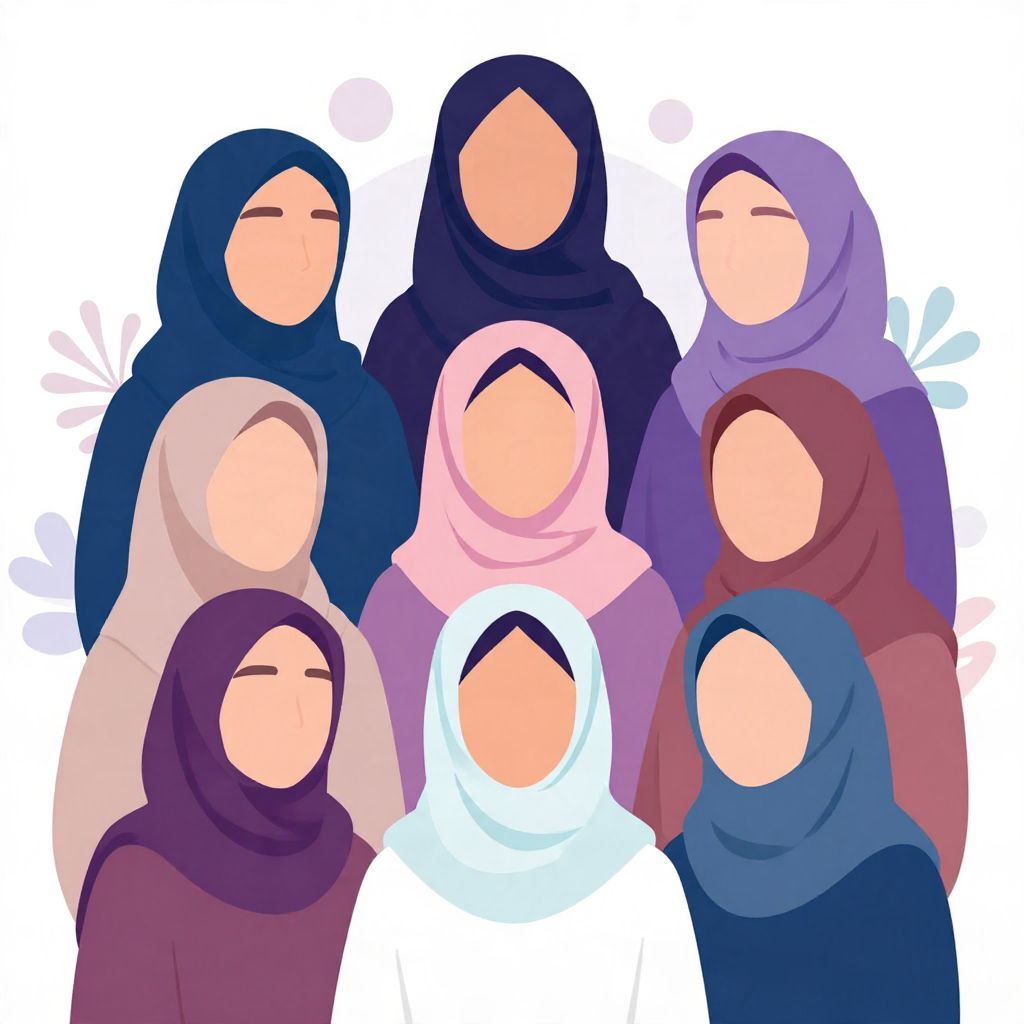
Have you ever wondered why women wear hijabs? This question touches on themes of faith, identity, and cultural expression. Understanding the significance of hijabs helps us appreciate not only the practices of others but also our own spiritual journeys.
This article explores the various reasons women wear hijabs, enlightened by Scripture and encouraging deeper reflection. We can find wisdom in these diverse expressions of faith, fostering a more significant understanding of God’s call on our lives.
Why Do Women Wear Hijabs?
Women wear hijabs for many reasons, including religious obligations, personal beliefs, identity, and cultural practices. For many Muslim women, it symbolizes obedience to God and a commitment to living a life aligned with their faith.
Obedience to Divine Instruction
The primary reason many women choose to wear hijabs is obedience to God. In Islam, hijab represents modesty, which is rooted in several verses of the Quran. For instance, Surah An-Nur (24:30-31) instructs both men and women to lower their gaze and maintain modesty. This verse underscores that modesty is a divinely established principle.
A Reflection of Faith
Wearing a hijab becomes a visible expression of faith. Just as Christians are called to bear fruit as evidence of their faith (Matthew 7:17), wearing a hijab serves as a daily reminder of the wearer’s commitment to God. It can prompt spiritual reflection and encourage the wearer to embody the values of her faith.
Connection to Community
Many women wear hijabs as a connection to their cultural or religious community. For them, the hijab signifies belonging, shared beliefs, and support within their community. This mirrors how Christians gather as the body of Christ, united with a shared faith and purpose.
Empowerment and Freedom
Wearing a hijab can empower women to define their identity in a world that often pressures conformity. The choice to wear a hijab represents autonomy over one’s body and the declaration of personal convictions. This choice can lead to a deeper understanding of one’s faith and purpose.
The Biblical Perspective on Modesty
Although Christians do not wear hijabs as a religious requirement, the Bible speaks about modesty and how we present ourselves. Scripture addresses this in 1 Timothy 2:9-10, where Paul reminds women to dress modestly and focus on good deeds. The call to modesty is timeless and finds relevance in all cultures.
Understanding Modesty Through a Biblical Lens
Modesty goes beyond mere clothing. It encompasses the heart, character, and intentions behind our actions. Reflect on 1 Samuel 16:7, which tells us that God looks at the heart. True modesty weaves itself through our attitudes, actions, and choices, shining forth the character of Christ within us.
God’s View of the Heart
The heart’s condition matters more to God than outward appearances. While wearing a hijab or dressing modestly reflects certain choices, it is ultimately the state of one’s heart that God values. This principle resonates with the teachings of Jesus in Matthew 5:8, where those with pure hearts are blessed. Focus on pureness and let it guide outward choices.
Cultural Variations and Personal Stories
Wearing a hijab varies across cultures and individuals. Understanding this diversity can deepen our appreciation for different expressions of faith. While some women wear hijabs as a religious obligation, others may choose to do so as a cultural statement or personal choice.
Cultural Significance
In various cultures, the hijab carries different meanings. In some societies, it symbolizes tradition and heritage. It becomes a way to honor one’s roots, much like Christians celebrate cultural traditions during holidays and gatherings.
Personal Choices
Every woman’s journey with her hijab is unique. For some, wearing a hijab is deeply personal, reflecting a choice made after much contemplation and prayer. Others may feel societal pressure to conform. It’s essential to approach discussions with empathy, recognizing that everyone’s journey holds value.
Spiritual and Practical Applications
Regardless of differing beliefs about wearing hijabs, there are profound spiritual applications for all women. Exploring themes of modesty, identity, and faith can enrich believers’ spiritual experiences.
Embracing Modesty in Daily Life
Women can integrate modesty in various ways beyond clothing. Consider how you present yourself in conversations, attitudes, and choices. Reflect on Proverbs 31:30, which speaks of a woman who fears the Lord. True beauty emanates from a character that honors God.
Living Authentically
Embrace authenticity in your spiritual journey. Each woman can find her path to express her faith honestly. Whether through clothing choices or daily actions, seek to illuminate God’s love in everything you do. This guidance strengthens bonds within communities.
An Invitation to Pray for Understanding
Prayer provides clarity in understanding diverse perspectives. As you engage with the topic of hijabs, pray for wisdom and empathy toward those observing different practices. Encourage unity among believers, focusing on shared love for Christ despite varying expressions of faith.
Concluding Thoughts on Mutual Respect and Understanding
Understanding why women wear hijabs can foster greater respect between different faiths. While the practice might not resonate with everyone, it opens doors for compassionate dialogue.
Encouraging Kindness and Reflection
Embrace kindness toward others who may practice differently. Romans 14:19 invites us to pursue peace and mutual edification. Promote grace as believers walk different paths, focusing on love that transcends differences.
The Importance of Spiritual Community
Fostering a spirit of openness among believers allows everyone to learn from each other. Engage friends in discussions about different practices, enhancing your understanding of God’s vast family. This growth embodies God’s love.
A Call to Action
Reflect on how you express your faith daily. Whether through clothing or heart attitudes, commit to living out a life that glorifies God. Reach out to those with different pursuits and display love through actions. Invite others into conversations surrounding faith to cultivate understanding.
As you consider the complex layers of why women wear hijabs, remember that God calls us to understand each other better. Pray for wisdom and look for ways to honor the beauty behind different expressions of faith. Together, we can celebrate our diverse experiences while honoring God.
Explore more faith-based topics and articles to deepen your understanding. Join us in prayer for women on this page. Equip yourself with prayers for daughters to guide your family’s spiritual growth found here.