
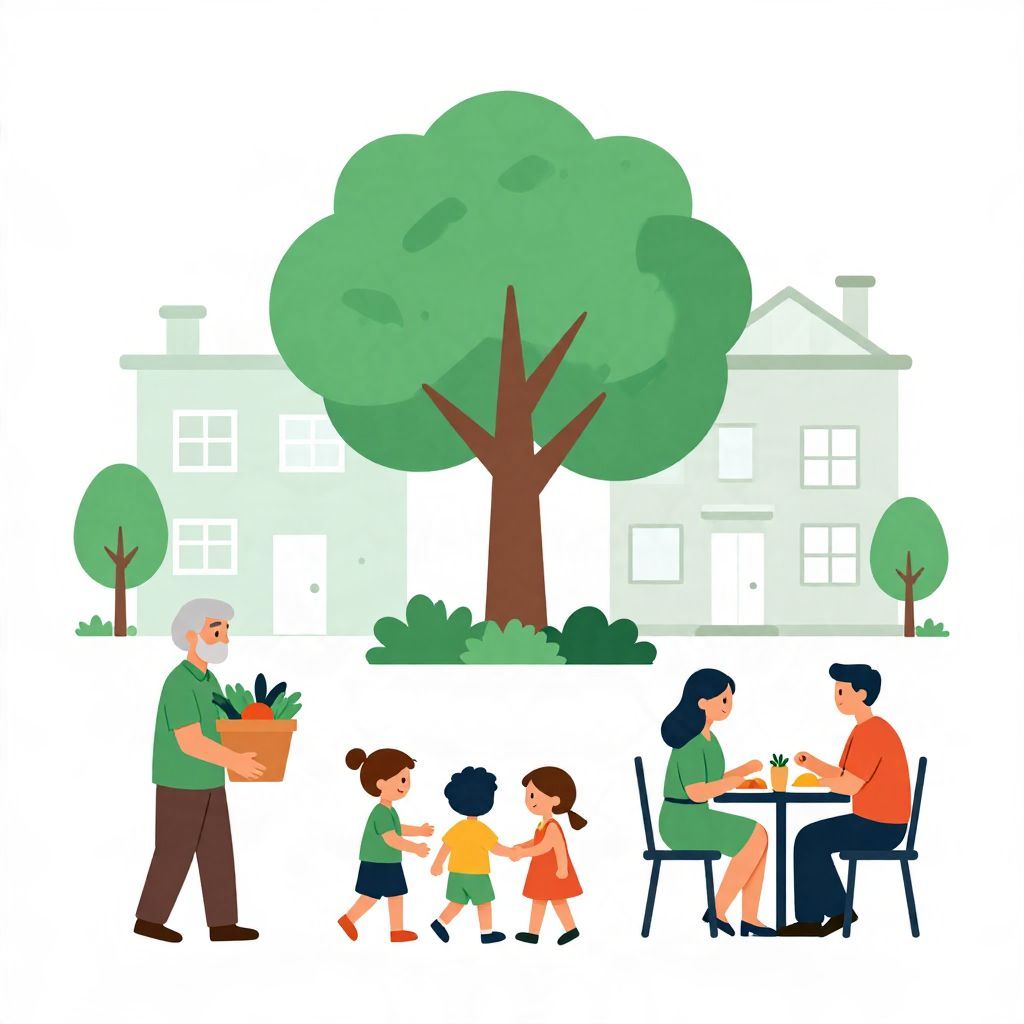
Have you ever wondered who truly counts as your neighbor? Is it just the person living next door, or does it stretch far beyond that? Understanding who your neighbor is plays a crucial role in Christian living, as it shapes how we interact with the world around us.
This article explores the biblical answer to this question, revealing how Jesus redefines our understanding of neighboring love and why it matters in our daily lives.
Who Is My Neighbor?
Your neighbor is anyone in need, encompassing not just those who reside nearby, but also strangers, the marginalized, and even those who may oppose you. Jesus’ parable of the Good Samaritan illustrates this profound understanding of love and neighborliness.
The Call of Love
The command to love your neighbor stems directly from God’s character. In Leviticus 19:18, God instructs His people to love their neighbors as themselves, which Jesus affirms in Matthew 22:39. This love expects action and extends beyond mere words.
The Parable of the Good Samaritan
In Luke 10:25-37, Jesus tells the story of the Good Samaritan, showcasing that neighborly love often means helping those society overlooks. The Samaritan cared for a wounded man despite cultural animosities. This parable challenges societal norms and urges believers to act mercifully.
Who Might We Overlook?
Consider the specific groups within your community that may often be dismissed:
- The homeless
- The sick or elderly
- Single parents
- Immigrants
- People with disabilities
Each of these individuals represents an opportunity to reflect Christ’s love in action. How can you reach out to them today?
Considering Your Heart
To love our neighbor genuinely, we must first examine our hearts. How do you feel about those different from you? Matthew 5:43-48 challenges believers to love not just friends but also enemies. This call to love stretches our understanding and compels us toward compassion.
The Challenge of Forgiveness
Forgiving those who may have wronged you can feel insurmountable. Yet, Jesus emphasizes forgiveness in Matthew 6:14-15, reminding us that our willingness to forgive is tied to our relationship with God. Is there someone you need to forgive to embrace loving your neighbor fully?
Overcoming Prejudice and Bias
Each culture carries unique biases. To love your neighbor, you may need to confront your prejudices. Galatians 3:28 reminds us that in Christ, there is no room for divisions based on race, gender, or social status. How might you challenge your assumptions and reach out to those perceived as “other”?
Taking Action
Understanding who your neighbor is pushes us from contemplation to action. True love manifests in tangible deeds. What steps can you take to serve those around you?
Practical Steps to Love Your Neighbor
Consider these practical ways to embody the love of Christ:
- Volunteer at local shelters.
- Organize community clean-up days.
- Donate clothing or goods to those in need.
- Invite someone from a different background or culture to your home for dinner.
- Offer to help a neighbor with their yard or home repairs.
Each simple act of love creates ripples of grace in the world.
Use Your Gifts
God has blessed every believer with unique gifts, as stated in 1 Peter 4:10. Use your talents to serve your neighbor. Whether teaching, organizing, or providing encouragement, your gifts are essential in building the kingdom.
Loving Beyond Comfort Zones
True neighborly love often requires stepping outside your comfort zone. Jesus consistently engaged with those society deemed undesirable—a reminder for us to do the same.
Breaking Down Barriers
In Ephesians 2:14, Paul speaks of Christ breaking down the walls of hostility between us. In your interactions, strive to break down barriers—cultural, socioeconomic, or personal. Ask yourself, how can you bridge the gulf? Who can you befriend from a different background?
The Importance of Listening
When reaching out, listening becomes paramount. James 1:19 urges believers to be quick to listen and slow to speak. Attend to your neighbors’ stories and experiences. What do you learn from their lives? Listening cultivates empathy and understanding.
Your Neighbor in Times of Crisis
Life often presents moments of crisis. In those times, how can you serve your neighbor most effectively? Being present during hardships expresses deep love.
The Role of the Church
The local church serves as a crucial support system. Acts 2:44-47 illustrates the early church’s communal living, where believers shared everything in common. This model fosters responsibility for one another’s needs.
Responding with Compassion
When a neighbor faces a crisis—be it illness, loss, or financial hardship—offering practical support becomes essential. Are you ready to step up when others are in need? What resources or time can you offer your community during challenging moments?
Building Community through Love
Reflecting on who your neighbor is leads to the development of deep and meaningful community rooted in love. Building such a community requires intentionality.
The Power of Group Efforts
When believers work together to love their neighbors, they amplify their impact. Ecclesiastes 4:9-10 states that two are better than one. Collaborate with fellow believers to organize outreach efforts. What initiatives can you launch as a community?
Creating Safe Spaces
Everyone deserves a safe space to express themselves. Commit to creating an environment of acceptance where all feel valued. How can you help foster such an atmosphere in your church or community gatherings?
Final Reflections
Loving your neighbor isn’t bound by proximity or personal preferences. It extends to all humanity, reflecting God’s unconditional love. In Matthew 25:40, Jesus teaches that whatever you do for the least of these, you do for Him.
Considering Your Actions
As you contemplate your actions, reflect on the following questions: Who have you overlooked? How can you actively love them this week? Are there barriers you need to break? Where is God nudging your heart to extend grace?
The Journey of Neighborly Love
Engaging in neighborly love is a lifelong journey. Every small act of kindness contributes to a larger narrative of God’s redemptive work in the world. Be patient with yourself, embracing the growth process.
If you seek guidance or support, consider prayers for comfort and strength for family during times of need. Connecting in prayer can help navigate challenging moments together. Explore the prayer for family and friends as an opportunity for deeper relational connection.
As you strive to live out the calling to love your neighbor, remember that your journey of neighborly love fundamentally reflects your understanding of God’s love for you. What a beautiful challenge to engage with daily!
Explore more faith-based topics and articles to deepen your understanding, and take a moment to consider how these insights can lead to transformative actions in your life.