
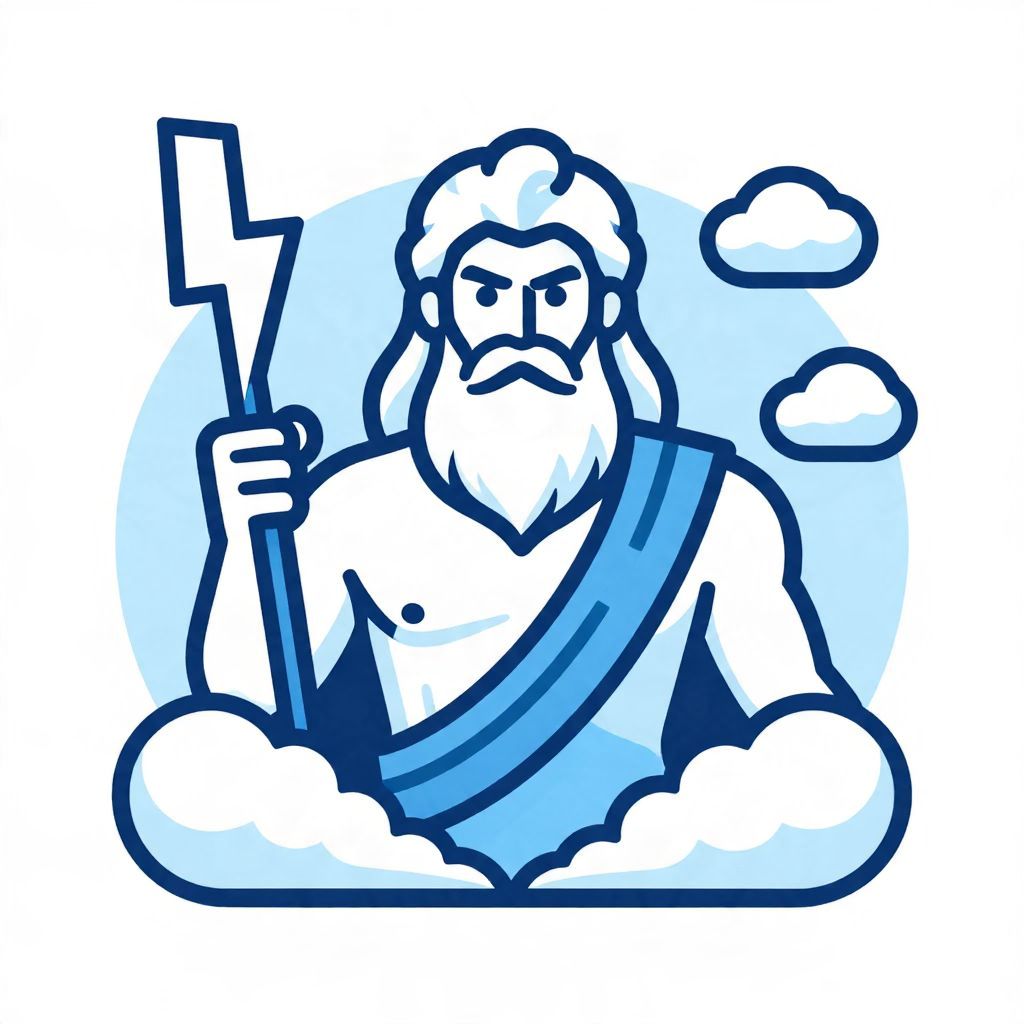
Have you ever wondered about the existence of mythological figures like Zeus? In an era where many consider myths as mere stories, understanding the foundations of such beliefs can bring clarity. This article will evaluate the truth behind Zeus through the lens of Christian faith and Scripture, emphasizing the difference between divine truth and mythological narratives.
Is Zeus Real?
No, Zeus is not real in the sense of being a living deity. Zeus is a figure in ancient Greek mythology, representing the god of thunder and ruler of Mount Olympus. In Christianity, the belief in one true God stands in stark contrast to the pantheon of gods found in mythology.
The Nature of God in Christianity
Christianity teaches that God is the creator of the universe, as stated in Genesis 1:1: “In the beginning, God created the heavens and the earth.” This fundamental truth encapsulates the essence of God’s existence, power, and authority.
Unlike mythological gods, who engage in human-like pettiness, Christian God embodies perfect love, justice, and grace. For example, 1 John 4:8 reminds us that “Whoever does not love does not know God, because God is love.” This sets the stage for how Christians understand divinity compared to mythological beings.
Why Worship a True God Matters
Worshiping the true God brings a sense of stability and purpose. In a world filled with uncertainty, we find assurance in Hebrews 13:8, which states, “Jesus Christ is the same yesterday and today and forever.” This contrasts sharply with the fickleness of mythological characters, who reflect the chaos of human nature.
Understanding the permanence of God’s character leads to deeper trust. As we encounter struggles, we can turn to the promises of Scripture, knowing they are anchored in the truth of God’s nature. Do you find it easy to trust in an unchanging God amidst life’s challenges?
Comparing Zeus and the One True God
The Attributes of God
God in Christianity possesses attributes that set Him apart from Zeus and other gods. Below are key attributes that define God’s nature:
- Omniscience: God knows all things (Psalm 147:5).
- Omnipotence: God is all-powerful (Jeremiah 32:17).
- Omnipresence: God is present everywhere (Psalm 139:7-10).
- Immutability: God does not change (Malachi 3:6).
In contrast, Zeus, much like other mythological figures, exhibits human flaws such as jealousy, anger, and desire for power. This stark difference highlights why Christians choose to worship a God who embodies perfection rather than one who reflects imperfection and volatility.
Scriptural Insights on Idolatry
The Bible speaks strongly against the worship of false gods. Exodus 20:3 states, “You shall have no other gods before me.” This command establishes the foundation for a life that honors the one true God over any creation or mythological figure.
Worshiping idols leads to spiritual emptiness and confusion. Paul warns in 1 Corinthians 10:19-20 that sacrifices made to idols are not insignificant; they are actually offered to demons. This reality shapes the Christian understanding that revering Zeus or similar figures can sever one’s relationship with God.
The Impact of Mythology on Society
Understanding Cultural Relevance
Mythological figures like Zeus can reflect the cultural values and belief systems of ancient societies. They embody human emotions and experiences, which may provide insight into the historical context of people’s lives. Such narratives often served to explain natural phenomena and human behavior in ways that aligned with ancient understanding.
While these stories may have once held value in their context, current believers in Christ find their meaning through the life, death, and resurrection of Jesus as detailed in the New Testament. How often do cultural narratives influence your understanding of truth?
The Danger of Blending Beliefs
Many find it tempting to mix elements of various belief systems, including myth and truth. This can lead to syncretism, which dilutes the essence of faith. Galatians 1:6-7 warns against turning to a different gospel that distorts the grace of Christ.
It’s crucial to stand firm in the truth of God’s Word. Biblical faith calls for unwavering commitment and adherence to God’s principles as outlined in Scripture. Have you examined any beliefs that might conflict with your commitment to God?
The Historical Context of Zeus
Zeus in Ancient Greek Culture
Zeus served as the chief deity of the ancient Greeks. He was a symbol of order and authority, often associated with weather, governance, and justice. Myths of Zeus often intertwined with human affairs, illustrating the belief that gods influenced the mortal realm.
The historical worship of Zeus speaks volumes about humanity’s search for meaning and understanding beyond mere existence. This quest remains relevant today as people seek spiritual fulfillment. How do you approach your spiritual questions in light of God’s Word?
Modern Implications of Myth
While Zeus may not be worshiped as he once was, his stories have inspired countless works of art and literature. Many individuals find themselves drawn to these tales, sometimes risking distraction from the truth of the Gospel. The allure of myth can divert focus from the loving, saving grace of Jesus Christ.
Emphasizing culturally relevant teachings can often overshadow the core truth that salvation is found solely in Christ. Acts 4:12 reminds us, “Salvation is found in no one else, for there is no other name under heaven given to mankind by which we must be saved.” Where do you find your hope? Is it rooted in truth or influenced by stories?
The Path Forward: Embracing Biblical Truth
Immersing Yourself in Scripture
To build a firm foundation, immerse yourself in Scripture daily. Reading the Bible equips believers with the wisdom needed to discern truth from myth. 2 Timothy 3:16-17 assures us that all Scripture is God-breathed and useful for teaching, rebuking, correcting, and training in righteousness.
Choosing to study the Word embeds God’s truths in our hearts, enabling us to recognize the subtle influences of myth and deception. How often do you take time to read, reflect, and engage with God’s Word?
Community and Accountability
Surround yourself with a community that reinforces biblical beliefs. Engaging with fellow believers fosters growth and encourages mutual accountability. Hebrews 10:24-25 urges believers to consider how to spur one another on toward love and good deeds, reinforcing our spiritual journeys.
In this atmosphere, we can challenge one another to maintain focus on Christ. Consider forming or joining a study group that delves into God’s Word together. Who in your life can you turn to for encouragement or accountability?
Conclusion: The Assurance of Truth
While Zeus remains a fascinating figure in mythology, he cannot compare to the one true God revealed in Scripture. Understanding the difference between myth and divine truth illuminates our faith journey. Engaging with Scripture, maintaining accountability, and fostering community align believers with the teachings of Christ.
As you reflect on what you’ve learned, ask yourself: Who do you choose to follow? Are you straying toward myths or firmly grounded in the truth of Jesus Christ? Take time to pray, asking God for clarity and strength to embrace His teachings fully. Remember, as you confront challenging beliefs or distractions, God’s truth remains unchanging and reassuring.
Explore more faith-based topics and articles to deepen your understanding and grow in your faith. Engage with diverse resources such as Prayer for the Soul to Rest in Peace or Prayers for the Dead Catholic to enrich your spiritual journey.