
Have you ever wondered what symbols represent divine characters and their significance in our lives? Many cultures have myths and legends surrounding their deities, but understanding their symbols can reveal deeper truths about faith and worship. In this exploration, we will focus on Hera, the Greek goddess known for her role in family, marriage, and fidelity. Her symbolism offers profound insights into the attributes of God as seen in Scripture and how these attributes relate to our Christian walk.
As we examine what Hera’s symbol is, it becomes essential to recognize how this connects to Christian living. Hera’s symbols, particularly the peacock and the diadem, reflect themes of loyalty, fidelity, and protection. Each symbol resonates with God’s character, reminding us of His everlasting faithfulness and the importance of our relationships.
What Is Hera’s Symbol?
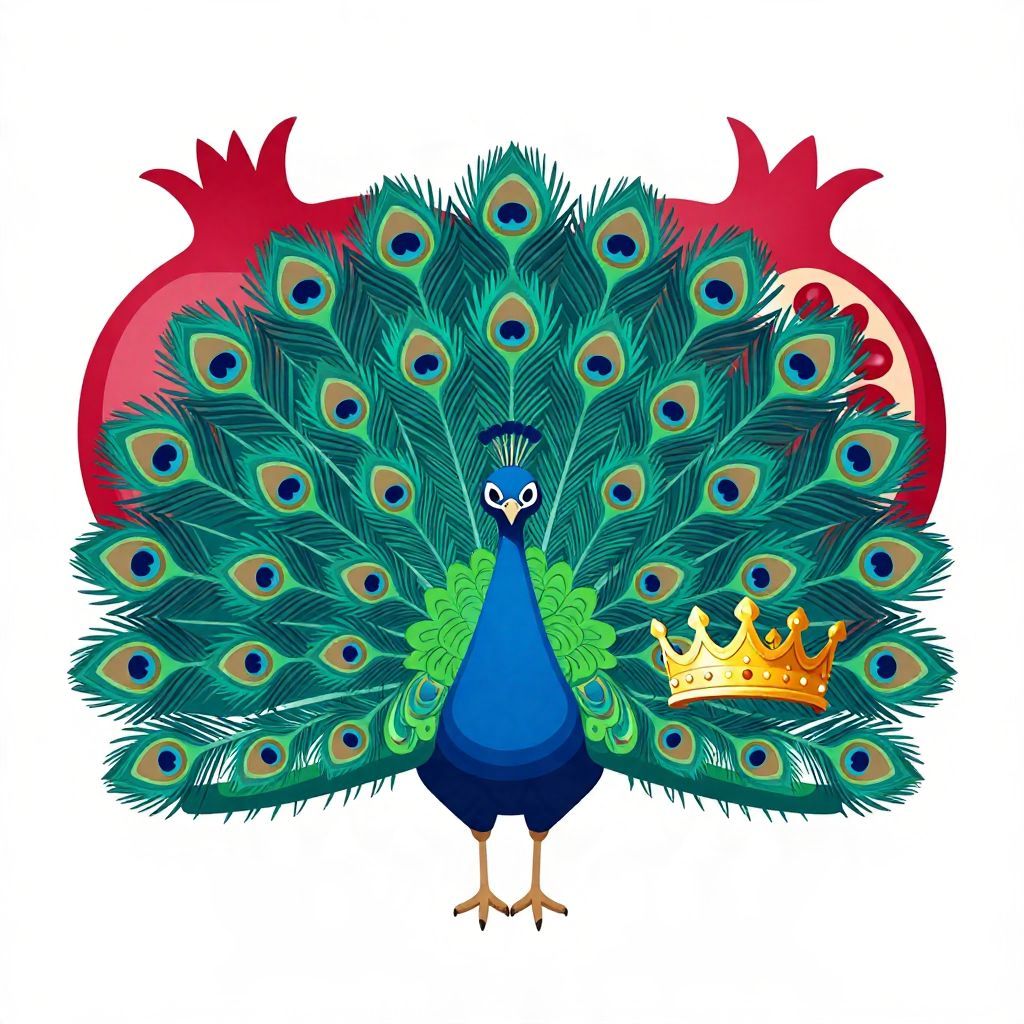
Hera’s primary symbols are the peacock, the cow, and the diadem. The peacock represents beauty, pride, and loyalty, while the cow symbolizes nurturing and motherhood. The diadem signifies her queenship and authority. Each symbol provides an opportunity for deeper understanding of family dynamics and divine authority in relationships.
The Meaning of the Peacock
The peacock stands out for its beauty, showcasing dazzling feathers that fan out in a magnificent display. In ancient lore, this symbolized Hera’s regal status and connection to pride and magnificence.
Spiritually, the peacock also calls to mind the beauty and complexity of God’s creation. Just as the peacock presents itself, we are called to display God’s glory in our lives. How do your actions reflect the beauty of Christ to those around you?
The Cow as a Symbol of Nurturing
The cow, another symbol associated with Hera, embodies nurturing and motherhood. Cows provided sustenance, representing the essence of care and protection in family relationships.
In Scripture, we see similar themes surrounding God’s nurturing character. Isaiah 66:13 says, “As a mother comforts her child, so will I comfort you.” This passage showcases God’s desire to nurture us. Take a moment to consider how you experience God’s nurturing in your life. Are you embracing that comfort?
The Diadem and Authority
The diadem symbolizes Hera’s queenship and authority among the gods. This signifies not only her role but also her power within relationships.
Similarly, God’s authority resonates throughout Scripture. Matthew 28:18 reminds us that “All authority in heaven and on earth has been given to me.” Understanding God’s authority brings peace and assurance. Do you recognize God’s authority in your life? How does it affect your daily decisions?
Hera’s Symbols in Context
Examining Hera’s symbols provides spiritual insight into the roles we play in our relationships. Understanding these symbols in the context of Christian living can deepen our faith as we reflect on God’s nature.
Symbolism in Family Relationships
Hera’s representation connects significantly to family dynamics. She was often viewed as a protector of marriage, reflecting the commitment required in Christian relationships.
Ephesians 5:25 speaks to this, stating that husbands should love their wives just as Christ loved the church. This mutual love mirrors the loyalty and fidelity that Hera symbolizes. How does your relationship embody this kind of love? Consider the ways you can strengthen your commitment to your loved ones.
Marital Faithfulness
The theme of marital faithfulness runs deep, rooted in both Hera’s symbolism and Scripture. Loyalty and fidelity are foundational to nurturing relationships and families.
Hebrews 13:4 emphasizes the importance of honoring marriage, stating, “Let marriage be held in honor among all.” Have you reflected on how to nurture fidelity in your own relationships? What steps can you take to honor this commitment more intentionally?
Reflecting God’s Beauty
As the peacock symbolizes beauty and pride, we too should reflect the beauty of God in our lives. It urges us to consider not only external appearances but also the beauty of our hearts as we live in community.
1 Peter 3:3-4 encourages us to find beauty in our inner self, which is of great worth in God’s sight. What does it mean for you to cultivate this inner beauty? How can you focus on the state of your heart rather than simply outward appearances?
The Spiritual Significance of Loyalty and Fidelity
Examining Hera’s symbols brings forth the essential value of loyalty and fidelity in our spiritual lives. This calls us to commit ourselves wholeheartedly to God.
God’s Faithfulness in Contrast to Human Experience
Hera’s symbolism invites us to explore the contrast between divine faithfulness and human commitment. While gods may fail in loyalty, God never falters.
2 Timothy 2:13 states, “If we are faithless, He remains faithful, for He cannot deny himself.” This assurance is comforting, allowing us to trust wholeheartedly. Have you experienced moments of doubt that challenge your faith? How can you lean into God’s unchanging faithfulness?
The Call to Faithfulness in a Changing World
Hera’s loyalty serves as a reminder of the significance of faithfulness amidst change. The world may shift, but our commitment to God and His principles should remain constant.
James 1:17 tells us that “Every good and perfect gift is from above.” Holding on to faithfulness in relationships mirrors our commitment to God. How can you remain steadfast in your faith in an unstable world? What commitments can you reaffirm today?
The Role of the Church in Supporting Relationships
The Church plays a vital role in nurturing loyalty and fidelity within our communities as represented by Hera. It fosters a commitment to one another that strengthens collective faith.
Acts 2:42 shows early believers devoting themselves to fellowship, breaking bread, and prayer. This community aspect is crucial as we seek to honor God and uplift one another. How can you engage more fully in your church community? What steps can you take to support others?
Practical Steps to Emulate Loyalty and Fidelity
Understanding Hera’s symbols can inspire practical steps towards nurturing loyalty and fidelity in our own lives. These steps help deepen our relationship with God and others.
- Commit to Prayer: Dedicate time to pray for your relationships, asking God for guidance and strength.
- Engage in Scripture: Dive into the Word to reflect on God’s faithfulness and how it manifests in your life.
- Foster Community: Surround yourself with like-minded believers who support and encourage you in your faith journey.
- Serve Others: Take action by helping those in need, embodying God’s nurturing character in everyday interactions.
- Practice Forgiveness: Cultivate an attitude of grace and forgiveness to strengthen and maintain relationships.
Your Commitment to Fidelity
Hera’s symbols illustrate loyalty and commitment, reminding us of their importance. As followers of Christ, these attributes should resonate within our hearts and relationships.
Take a moment to reflect: How do you currently practice fidelity in your life? What changes can you make to embody Hera’s principles in your daily relationships?
Conclusion: Embracing the Lessons from Hera’s Symbols
Hera’s symbols showcase significant themes around family, faithfulness, and divine authority. Understanding these can enrich our Christian walk as we recognize God’s character reflected in them.
As you explore the attributes symbolized by Hera, remember to embrace loyalty and fidelity in your relationships. Allow these principles to guide your daily interactions and strengthen your bond with God and those around you.
Consider closing in prayer, asking God to help you embody these values in your life. Reflect on how you can be a source of encouragement for your family, friends, and community. Stepping into fidelity broadens our capacity to love well.
For more on faith-based conversations and spiritual enrichment, consider exploring more topics such as prayer support or ways to comfort grieving families. Visit All Christian Prayer or check out our Prayer for a Grieving Family.