
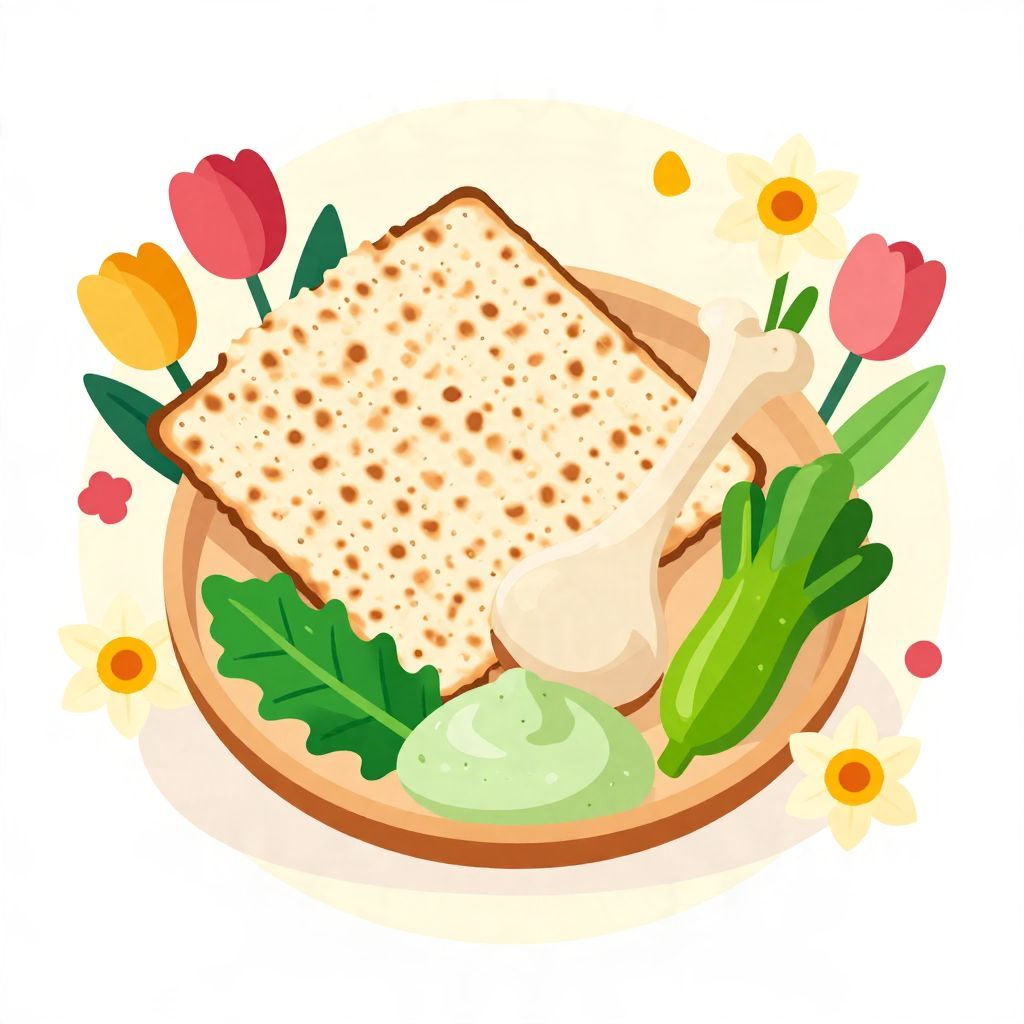
Do you find yourself questioning the significance of Passover in a Christian context? Understanding this Jewish holiday and its roots can enrich your faith. At its core, Passover symbolizes freedom, sacrifice, and divine intervention—elements that bear deep relevance to our Christian walk.
This article will explore whether Christians should say “Happy Passover,” delve into the meaning of the holiday, and uncover how its themes resonate throughout Scripture. Embracing this Jewish celebration can lead to a richer understanding of Jesus and the faith we cherish.
Do You Say Happy Passover?
Yes, it is appropriate for Christians to say “Happy Passover,” especially when expressing respect and acknowledgment of its significance. It reminds us of the Exodus story and the liberation God provided, which resonates with our faith in Christ’s redeeming work.
The Significance of Passover in Jewish Tradition
Passover commemorates the Exodus of the Israelites from slavery in Egypt. Exodus 12 outlines the instructions given to Moses concerning the Passover lamb, which was crucial for their deliverance. The blood of the lamb marked the doorposts of the Hebrew homes, sparing them from the final plague. God’s saving action established a pivotal moment in Jewish history.
This event symbolizes liberation and God’s covenant with His people. How does this story of deliverance speak to your own experience of being freed from sin and spiritual bondage?
The Connection to Jesus Christ
Passover is deeply intertwined with the life and mission of Jesus. In 1 Corinthians 5:7, Paul refers to Christ as our Passover lamb, indicating that Jesus fulfills the role of the sacrificial lamb who takes away our sin. Recognizing this connection can deepen appreciation for the life and work of Christ.
Reflecting on the Last Supper, Jesus was in Jerusalem celebrating Passover with His disciples when He instituted Communion. He used the elements of the Passover meal to reveal the significance of His impending sacrifice. How does this sacramental moment inform your understanding of your relationship with Jesus?
The Themes of Redemption and Sacrifice
Passover encompasses themes of redemption, sacrifice, and hope. In Leviticus 23:5-8, the observance of Passover is identified as a crucial part of Israel’s identity as God’s chosen people. These themes extend into the New Testament, providing a lens through which we can view our salvation.
When considering Jesus’ sacrifice on the cross, the connection to the Passover lamb becomes even clearer. Have you ever paused to reflect on how His blood covers your sins, similar to how the blood of the lamb protected the Israelites?
Should Christians Celebrate Passover?
Many Christians choose to observe Passover to connect more deeply with its significance and roots in their faith. Celebrating Passover does not mean adhering strictly to Jewish customs but rather understanding and appreciating the richness of its meaning.
Creating Meaningful Family Traditions
Engaging in Passover observance can build family traditions that center around faith and heritage. Families can hold Seder meals that reflect on the story of Exodus, share Scripture, and highlight Christ’s connection to the Passover feast.
Here are some steps to create meaningful Passover-inspired traditions:
- Read the Passover story from Exodus 12-14.
- Incorporate prayer and Thanksgiving over the meal.
- Include elements that reflect the Passover meal, such as lamb, unleavened bread, and wine.
- Discuss Christ’s connection to this meal.
- Invite friends or neighbors to join and share the significance with them.
Learning from Jewish Roots
Understanding Jewish customs can provide greater insight into the New Testament teachings. Jesus, fully immersed in His Jewish culture, celebrated these feasts. By examining Passover closely, Christians can appreciate His teachings more fully.
Consider studying Jewish traditions and customs surrounding Passover. How can this knowledge transform your approach to Scripture and deepen your walk with Christ?
The Spiritual Aspects of Celebrating Passover
Observing Passover can serve as a profound reminder of God’s faithfulness. Just as God delivered the Israelites, He also delivers us from our struggles and sin. This celebration offers a unique opportunity to reflect on personal deliverance.
Remembering God’s Faithfulness
Every Passover offers a time of reflection on God’s character. Lamentations 3:22-23 reminds us that His mercies are new every morning. Remembering how He has acted in history can cultivate trust in His current and future provision.
During this celebration, consider sharing testimonies of God’s faithfulness in your life. How has He delivered you from trials or challenges?
Communicating the Gospel through Reflection
Passover celebrations provide a natural framework for sharing the Gospel. By discussing the symbolism of the lamb, the Exodus, and their connection to Christ, believers can convey the message of grace and redemption effectively.
This is a great time for evangelism in a relatable context. How can you use your understanding of Passover to share Christ with others?
Practical Tips to Acknowledge Passover
Although Christians may not be required to celebrate Passover as a command, acknowledging it supports a more profound understanding of Scripture and our faith. Here are some practical tips:
- Educate yourself about the meaning and practices of Passover.
- Engage in discussions with friends or family about its significance.
- Attend a Seder meal at a local Jewish community if possible.
- Incorporate the story of Passover into your celebrations of Holy Week.
- Share resources about Passover to enrich your church community.
Embracing Both Passover and Easter
Passover and Easter coincide, emphasizing Jesus’ ultimate sacrifice. Understanding the timing and meaning of these events can help Christians grasp the depth of God’s plan. Easter celebrates the resurrection, but that victory is anchored in the sacrifice that Passover symbolizes.
As you celebrate both holidays, reflect on how they complement each other. How can this unity of remembrance strengthen your faith?
Conclusion: A Call to Embrace the Heritage of Faith
In acknowledging Passover, Christians embrace a broader heritage of faith deeply rooted in Scripture. It provides an opportunity to reflect on God’s faithfulness, the fulfillment of prophecy, and the grace of Jesus Christ. Understanding these relationships can renew your spirit and deepen your walk with God.
Consider integrating elements of Passover into your spiritual life. Explore more about the significance of this celebration, pray about how it can affect your faith, and find ways to communicate this powerful message of redemption to others. A prayer for Passover can also guide your reflection.
Explore more faith-based topics and articles that can enrich your spiritual walk through links such as prayer for purging the soul and prayer for Passover.