
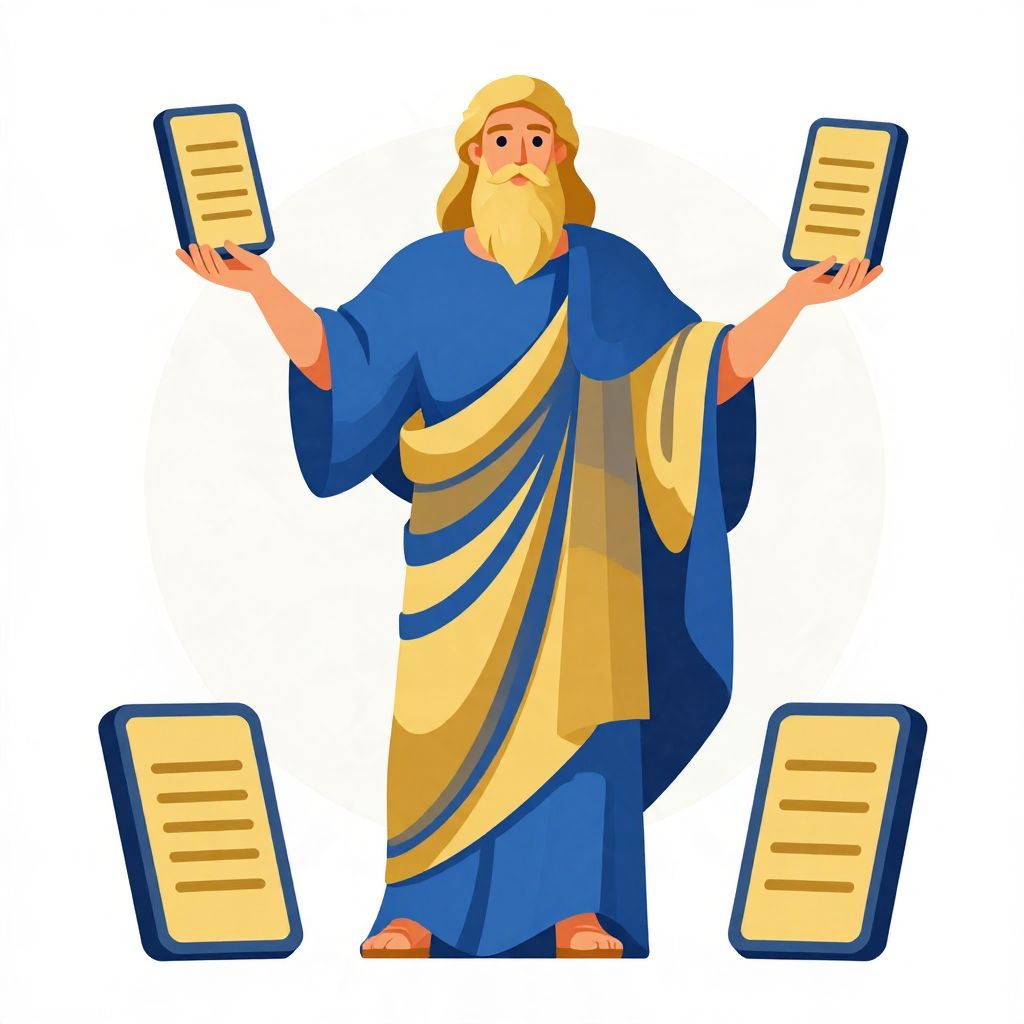
When you think of Moses, what comes to mind? Perhaps images of an elderly man with a long beard parting the Red Sea. This popular depiction sparks curiosity about more than just his deeds; it delves into his very appearance. Understanding what Moses looked like may help us connect more deeply with his story and mission.
God’s choice of Moses as a leader signifies His purpose in using ordinary people to achieve extraordinary tasks. The Scriptures do not provide exact details about Moses’ physical features, but they do offer insights that reveal his character. Exploring these aspects helps us appreciate his relationship with God and his role in history, all grounded in Scripture.
What Did Moses Look Like?
Moses is not described in Scripture regarding specific physical traits, such as hair color or height. However, he is portrayed as a humble man, chosen by God for monumental tasks. We see glimpses of his character, which shape our understanding of him more than any physical description could.
The Humility of Moses
Moses often expressed feelings of inadequacy when called to lead the Israelites from Egypt. In Exodus 4:10 (NIV), Moses said, “Pardon your servant, Lord. I have never been eloquent, neither in the past nor since you have spoken to your servant. I am slow of speech and tongue.” His humility highlights that God values character over appearance.
Do you ever doubt your abilities? Like Moses, you may feel unqualified for tasks God has set before you. Reflecting on Moses’ reluctance reminds us that God equips the called and values obedience over personal perfection.
Moses’ Physical Appearance in Context
The Israelites were enslaved in Egypt for generations. Moses was raised in Pharaoh’s household but later fled to Midian, where he became a shepherd. This life shaped him into a person who possessed both leadership qualities and pastoral care, likely influencing his appearance as a rugged, weathered man of the desert.
Scripture does not explicitly describe his looks; however, one could consider cultural influences. Moses likely adhered to typical Middle Eastern features of his time, portraying him as a man relatable to his people. We appreciate how God crafted his identity in a way that uniquely equipped him for the challenges ahead.
God’s Presence and Its Effects on Moses
One striking aspect of Moses was the transformative effect of being in God’s presence. After encountering God on Mount Sinai, Moses’ face shone with glory, a divine radiance that set him apart. Exodus 34:29 (NIV) states, “When Moses came down from Mount Sinai with the two tablets of the covenant law in his hands, he was not aware that his face was radiant because he had spoken with the Lord.” This shining visage evoked fear in the people around him.
This brings a reflective question: What does it mean for our lives to reflect God’s presence? Being spiritually vibrant may not translate to physical beauty, but it does emphasize that our character may become luminous through time spent with God. Does your walk with God shine brightly for others to see?
Moses’ Impact on Others
Moses’ life and leadership offer practical instructions for us today. He interacted with both supportive people and detractors, navigating the complexities of leadership. His appearance may have been inconsequential compared to the impact he made on those around him.
Moses and the Israelites
The Israelites often complained and resisted Moses’ leadership. In Numbers 14:2 (NIV), the people expressed their discontent, crying, “All the Israelites grumbled against Moses and Aaron.” Yet, Moses continually interceded for them, showcasing God’s mercy and forgiveness. His willingness to advocate for the people paints a picture of resilience and compassion.
Think about your role in relationships. Are you quick to defend your friends or family when they struggle? Like Moses, intercession can create a bridge to healing. Overlook perceived flaws in others and focus on their character in God’s eyes.
Moses’ leadership resulted in monumental change. He led the Israelites to freedom and brought them closer to God. His challenges shaped the character of an entire nation. Scholars cite Moses as one of the greatest prophets in the Jewish and Christian faiths.
How do you perceive the legacy you leave behind? Each interaction, no matter how small, has the potential to influence others positively. Pursuing character-building moments creates ripples of impact in your surroundings.
What Scripture Reveals about Moses
The Bible encompasses a range of emotions and events that define Moses’ role in salvation history. The text provides his account within the rich narratives of Genesis and Exodus, culminating in his close relationship with God.
Moses serves a central role in God’s unfolding plan. He acts as a mediator between God and the Israelites, often receiving direct guidance. Deuteronomy 18:15 (NIV) states, “The Lord your God will raise up for you a prophet like me from among your own brothers. You must listen to him.” This reference points to the later coming of Jesus Christ, whose ministry would echo Moses’ in many ways.
This invites contemplation about how God uses human beings as His instruments. Are you listening for God’s voice as He guides you? Be still and pay attention; God still speaks today.
Moses’ role as the custodian of the Law shaped social and religious frameworks for Israel. God delivered the Ten Commandments through him as detailed in Exodus 20. These guidelines offered a clear direction for moral living among the people.
What guidelines do you follow in your life? Embracing biblical principles cultivates a strong foundation irrespective of your physical attributes. True beauty shines from honesty, integrity, and righteousness.
Conclusion
While we may never know exactly what Moses looked like, Scripture reveals a remarkable man deeply devoted to God’s mission. His character, actions, and relationship with God shape how we perceive him more than any physical description. As we reflect on his life and example, we draw strength and encouragement for our journeys.
Consider daily how God’s presence transforms your life. Let your character radiate His love, despite any perceived flaws you may have. The world benefits from individuals whose hearts are centered on God. Seek to reflect that truth in your everyday interactions.
If you’re interested in learning more about how prayer plays a role in supporting others, exploring topics like prayer for Israel or prayer for the IDF can deepen your understanding of intercession in the faith community. They exemplify how prayer can unify and strengthen bonds among believers.