
Have you ever wondered how ancient traditions shape modern faith? The celebration of Passover reveals rich themes of redemption, freedom, and covenant that resonate deeply within Christian theology. Understanding how Passover is celebrated offers valuable insights into God’s character and His promises.
This article will explore the celebration of Passover, emphasizing its significance in Scripture and how it connects to Christian living today. Through a closer look at this sacred observance, believers can appreciate the continuity of God’s plan from the Exodus to the New Covenant.
How Is Passover Celebrated?
Passover is celebrated through a series of rituals and customs that involve family gatherings, a special meal called the Seder, and the reading of Scripture. These practices serve to commemorate the Israelites’ liberation from slavery in Egypt, as described in Exodus 12.
The Historical Context of Passover
To understand Passover, one must begin with its historical context. God commanded the Israelites to celebrate this feast as a remembrance of their deliverance from Egypt. Exodus 12:1-14 outlines the instructions given by God, emphasizing the importance of remembering His mighty acts.
The Seder Plate: Symbolism in Each Item
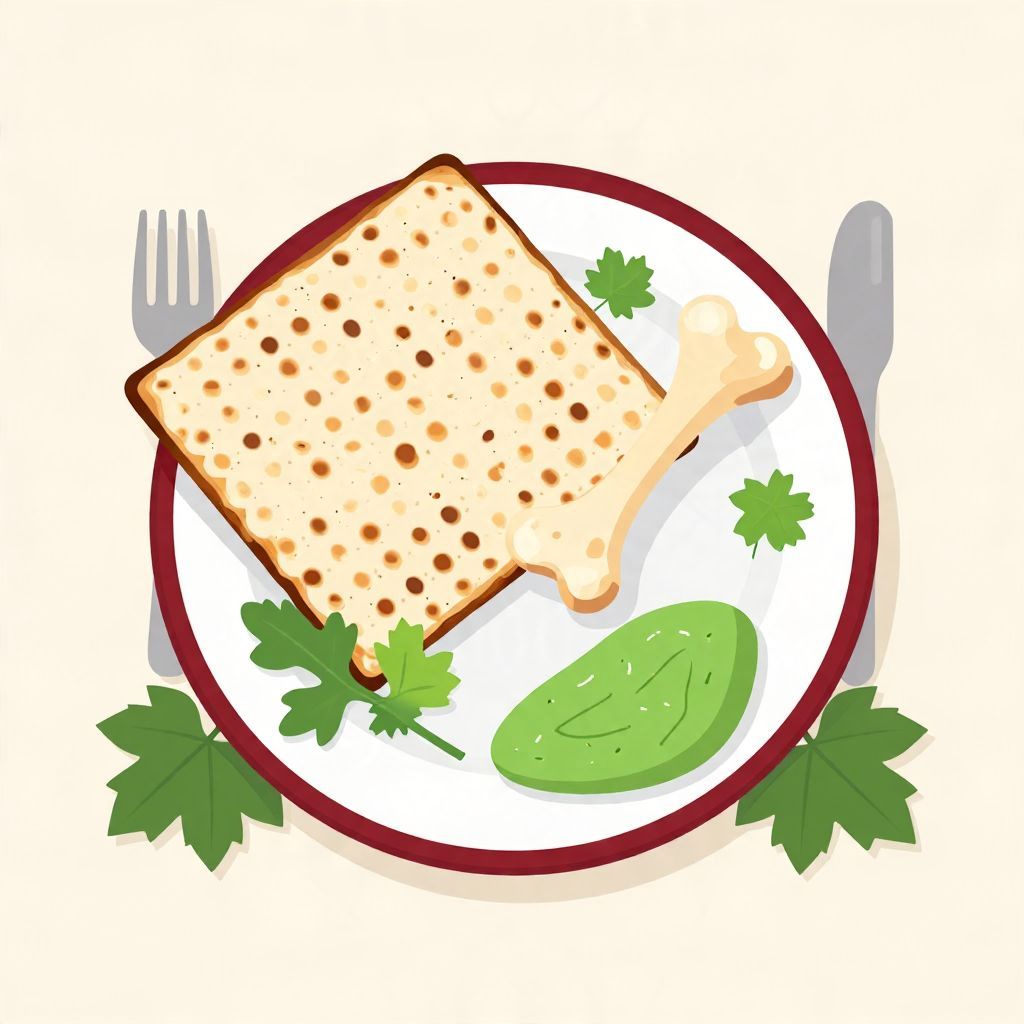
The central event of Passover is the Seder meal, which features a Seder plate containing symbolic foods. Each item tells a story about suffering and redemption:
- Maror (bitter herbs): Represents the bitterness of slavery.
- Charsan (sweet mixture): Symbolizes the mortar used for bricks in Egypt.
- Karpas (parsley): Represents the newness of spring and hope.
- Z’roa (shank bone): Reminds participants of the Passover lamb’s sacrifice.
- Beitzah (roasted egg): Symbolizes new life and sacrifice.
The Seder plate draws participants into the narrative of Exodus, fostering reflection on God’s deliverance. How do these symbols resonate with your own life and faith journey?
Reading the Haggadah
During the Seder, families read from the Haggadah, a text that recounts the Exodus story. It includes prayers, songs, and responses that engage participants. This practice mirrors the call in Deuteronomy 6:7, which instructs believers to teach the next generation about God’s commands.
Four Questions: Engaging the Children
The youngest child at the Seder typically asks the Four Questions, which prompt discussion about the meaning of Passover. These questions encourage children to engage and understand the significance of their heritage:
- Why is this night different from all other nights?
- Why do we eat matzah on this night?
- Why do we eat bitter herbs?
- Why do we recline at the table?
Asking questions is essential in faith development. What questions do you find yourself asking about your relationship with God?
The Traditional Meal: A Time of Fellowship
Traditionally, the Seder meal includes matzah (unleavened bread), roasted lamb, and wine. Each element not only nourishes physically but also spiritually connects participants with the historical context of redemption. This meal serves as both remembrance and celebration of God’s faithfulness.
The Significance of Matzah
Matzah is a key element of Passover, representing both hastiness and purity. The absence of leaven signifies sinlessness, as Christ is referred to as our Passover lamb in 1 Corinthians 5:7-8. Reflecting on the matzah invites believers to consider the purity of Christ’s sacrifice.
The Blessings of Wine
Throughout the Seder, wine is consumed in four cups, each associated with God’s promises of deliverance. These moments lead to heartfelt blessings, cultivating an atmosphere of gratitude and remembrance. How often do we pause to remember God’s provision in our lives?
Additional Customs and Traditions
Many families incorporate various customs during Passover, including cleaning the home for leaven, an act that symbolizes removing sin from one’s life. This practice clearly aligns with the teachings of Jesus, who addressed the issue of leaven in Luke 12:1.
Lighting the Candles
Another traditional practice is the lighting of candles at the beginning of the Seder. This act symbolizes bringing light into the darkness, reflecting John 8:12, where Jesus says, “I am the light of the world.” Lighting candles together reinforces family unity and spiritual symbolism.
Closing the Seder
The Seder often concludes with songs and prayers, including the expression of hope that the next Seder will be celebrated in Jerusalem. This longing for Jerusalem connects to the prophetic promises found in Zechariah 14:16-19, where all nations will worship God.
Connecting Passover to Christian Celebrations
Understanding Passover enriches the Christian experience, particularly during Holy Week. Maundy Thursday and Good Friday hold significant connections to Passover themes. In Matthew 26:17-30, Jesus shares a Last Supper with His disciples, which takes place during Passover. He transforms the Passover elements into His body and blood, establishing the New Covenant.
The Passover Lamb
Jesus is referred to as the Passover Lamb, the ultimate sacrifice for sin (John 1:29). His death and resurrection echo the themes of liberation and redemption experienced by the Israelites. Recognizing this connection deepens believers’ understanding of grace and mercy.
Remembering and Reflecting
Passover invites reflection on God’s unchanging nature. Just as the Israelites were instructed to remember the exodus, Christians are called to remember Christ’s sacrifice. How can you incorporate the spirit of Passover into your own spiritual practices?
Practical Steps for Observing Passover
For those looking to celebrate Passover, consider integrating these practices into your life:
- Gather with family or friends for a Seder meal.
- Study the story of the Exodus in Exodus 12 and relate it to the New Covenant.
- Involve children by including them in asking questions during the meal.
- Reflect on your own spiritual journey and the concept of redemption.
- Consider how the symbolism of bread and wine impacts your understanding of Communion.
Each of these actions encourages a deeper connection to God and His faithfulness. In which ways are you feeling prompted to engage with these traditions?
Conclusion
Passover stands as a powerful reminder of deliverance, redemption, and hope. By exploring its celebration, believers can embrace the profound richness woven throughout Scripture. Rooted in God’s character, this observance directs our hearts to Christ, who fulfills every promise.
As you contemplate these truths, consider offering a prayer of thanksgiving for God’s deliverance in your life. Reflect on how you can live in the light of the resurrection, sharing the hope found in Christ with those around you.
For further exploration of related faith-based topics, consider reviewing prayer for Lent or prayer for Good Friday. Engaging with these prayers deepens one’s understanding of the sacredness found in the seasons of the Church.