
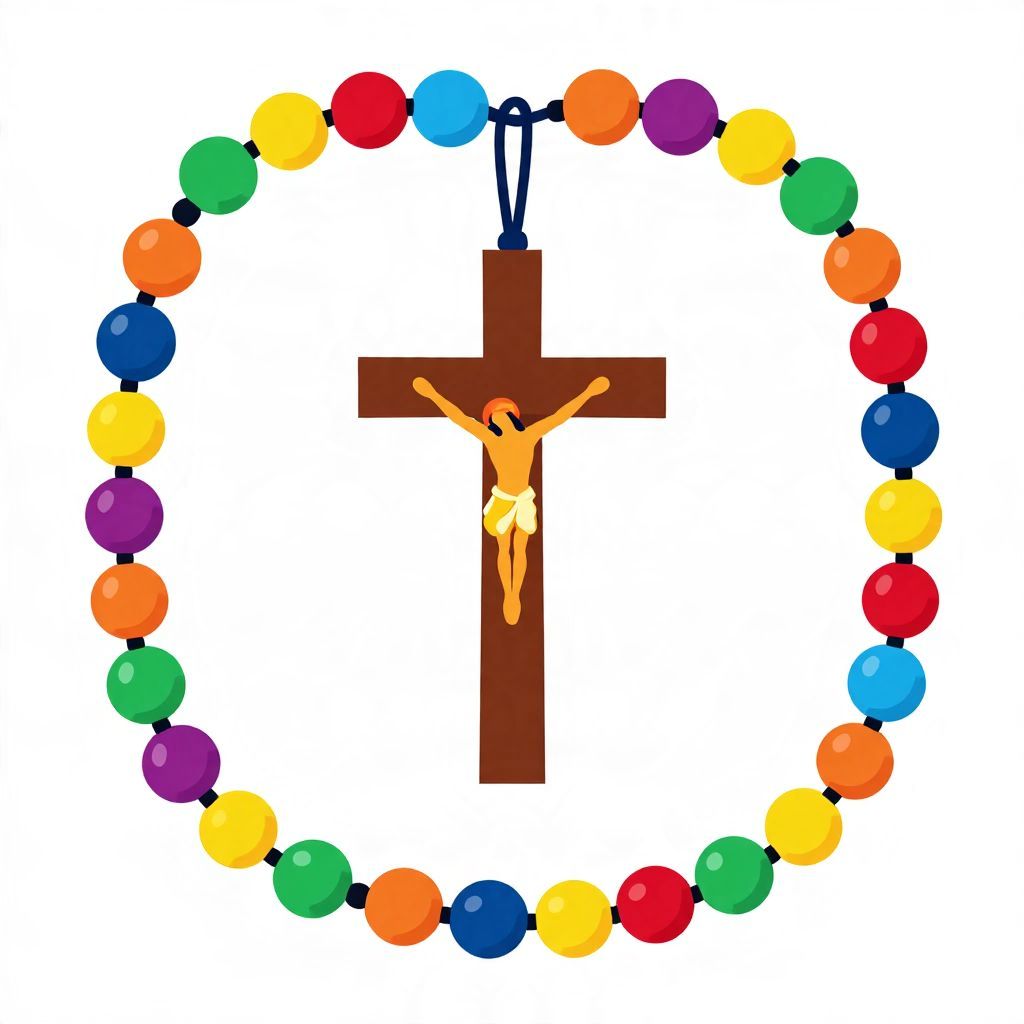
Have you ever picked up a rosary and wondered about its structure? The beads on a rosary serve both a practical and spiritual purpose. Understanding how many beads are on a rosary and their significance can strengthen your prayer life and deepen your connection to God.
This article explores the composition of a rosary, the meaning behind the beads, and how these elements enrich Christian practice. Rooted in Scripture, each section will guide you to a deeper understanding of this cherished tool for prayer.
How Many Beads Are On A Rosary?
A standard Catholic rosary consists of 59 beads. This includes 53 Hail Mary beads and 6 Our Father beads. The arrangement of these beads supports a focused prayer practice centered on reflection and meditation.
The Structure of the Rosary
The rosary features a series of beads that facilitate meditation on the life of Christ and Mary. Understanding each part enhances the experience of using it for prayer.
- The five decades, each containing ten Hail Mary beads, help guide the meditative prayers.
- Separated by an Our Father bead, these decades reflect significant events in the lives of Jesus and Mary.
- A crucifix or cross serves as the starting point for prayer, reminding users of Christ’s sacrifice.
The Meaning of Each Bead
The beads are not merely a counting method; they carry deep significance in prayer. Each type of bead directs the participant’s focus and intention.
- Hail Mary Beads: Each bead represents a Hail Mary prayer, focusing on the joy, sorrow, and glory of Mary’s life.
- Our Father Beads: These beads highlight the importance of the Lord’s Prayer, anchoring the meditative aspects of the rosary.
- Crucifix: The starting point of the rosary, it respects the foundation of Christian faith — the sacrifice of Jesus Christ for humanity.
The Spiritual Purpose of the Beads
The number and arrangement of the beads guide one’s journey through prayer. This structure enables individuals to meditate on significant biblical events.
The rosary’s prayer strategy includes meditating on various mysteries: Joyful, Sorrowful, and Glorious. Each set of mysteries corresponds to distinct reflections.
- Joyful Mysteries: Reflect on events such as the Annunciation and the Nativity, fostering joy and gratitude.
- Sorrowful Mysteries: Engage with Christ’s Passion, experiencing sorrow and understanding the depth of God’s love.
- Glorious Mysteries: Celebrate Christ’s Resurrection and Mary’s assumption, reflecting on hope and eternal life.
The Role of Repetition in Prayer
Repetition plays a crucial role in spiritual practice. Just as Jesus demonstrated persistence in prayer, the rosary invites similar devotion.
Have you found yourself distracted or overwhelmed? Repeating prayer phrases helps center the mind, directing focus back to God.
How to Use a Rosary
Learning how to use the rosary effectively can transform one’s prayer life. It’s not solely about the beads but about entering into a profound dialogue with God.
Starting Your Prayer
Begin by holding the crucifix. Pray the Sign of the Cross, followed by the Apostles’ Creed to set your spiritual intention.
Moving Through the Decades
As you move through each decade, follow these steps:
- Announce the mystery you will pray for that decade.
- After announcing, say an Our Father prayer.
- For each of the ten Hail Mary beads, meditate on the mystery while reciting the prayer.
- Conclude the decade with a Glory Be prayer.
Completing Your Rosary
Once you finish all five decades, conclude your prayer with a Hail Holy Queen or a prayer of thanksgiving. This completion reflects your connection to God and Mary.
The Rosary in Scripture
Understanding how the rosary aligns with Scripture deepens its significance. Biblical accounts support the mysteries and prayers of the rosary.
Diving into Scriptural Foundations
Several passages from the Bible inform the practices within the rosary.
- Luke 1:28 — The Annunciation highlights the call to Mary, establishing her role in salvation history.
- John 19:25-27 — Mary’s presence at the Crucifixion emphasizes her profound connection to Jesus and to the believer’s faith.
- Matthew 6:9-13 — The Lord’s Prayer serves as a guide for all prayer, central to the rosary.
Connecting with Mary through Scripture
Mary’s presence throughout Scripture provides endless reflections for prayerful meditation. Examining her interactions with Jesus nurtures a deeper relationship.
What does her “yes” mean for your spiritual journey? It invites you to embrace God’s plan with faith and courage.
The Historical Significance of the Rosary
The rosary’s tradition has deep historical roots in the Christian faith. Understanding its evolution offers insights into its importance today.
Tracing Catholic Tradition
In the early centuries of Christianity, Christians would pray with beads to keep track of prayers. The rosary evolved into its current form in the 12th century, influenced by the Dominicans.
The Impact of the Rosary throughout History
Throughout history, the rosary has been a source of comfort and strength for many believers, especially in times of crisis. Catholic tradition connects the rosary to spiritual warfare and perseverance during trials.
Have you ever found strength in prayer during difficult times? This historical context encourages believers to lean on the rosary’s power.
The Rosary as a Family Activity
Using the rosary as a family is a beautiful way to grow together in faith. It creates an atmosphere of shared devotion.
Creating Family Rituals
Incorporating the rosary into family life offers spiritual growth while fostering unity. Choose a time, perhaps before meals or bed, to engage in group prayer.
Children and the Rosary
Teaching children the significance of each bead helps them understand God’s love. Encourage their engagement through simple prayers and conversations about faith.
The Benefits of Praying the Rosary
Praying the rosary consistently yields numerous spiritual benefits. Many include greater peace, deeper relationship with Mary, and enhanced prayer discipline.
Finding Peace in Repetition
In a noisy world, the rhythm of prayer offers a calming retreat. Regular use of the rosary cultivates an inner tranquility that draws one closer to God’s presence.
Growing Closer to Mary
Engaging consistently with the rosary fosters a deeper relationship with Mary, who reflects Christ’s love. Her example inspires believers to pursue holiness.
Incorporating the Rosary into Daily Life
To maximize the spiritual benefit of the rosary, consider integrating it into everyday routines. Let it accompany you, transforming mundane moments into opportunities for prayer.
Finding Opportunities to Pray
Pray on your commute, during lunch, or before bed. Keeping a rosary handy ensures that prayer remains accessible, even amid a busy life.
Setting Intentions with Each Use
Before beginning prayer, establish intentions to focus your mind. Reflect on loved ones, challenges, or the broader world, asking for God’s guidance and support.
The Rosary in Community Worship
Engaging with a community in praying the rosary adds another layer of richness. Shared prayer builds unity and strengthens faith bonds among believers.
Group Rosary Events
Consider participating in group rosary events within your church. This opportunity promotes fellowship, allowing believers to support and encourage one another.
Encouraging Others
Share the beauty and significance of the rosary with others. Engaging in conversations about its role in spiritual life helps others discover its importance.
Conclusion
Understanding how many beads are on a rosary and their significance reveals deeper truths about prayer and faith. Each bead represents an invitation to reflect, engage, and deepen your relationship with God and Mary.
The rosary offers a powerful structure for prayer that invites believers into a life of meditation and communion. Will you take up the rosary as a tool for your spiritual journey?
As you explore practicing the rosary, consider other related topics like a prayer for souls in purgatory or a prayer for the deceased. These subjects can further your understanding of prayer’s impact on both the living and the departed, deepening your faith and connection to the broader Christian community.
For more insights into faith-based articles, visit this link or look into a prayer for the deceased for spiritual support in your journey.