
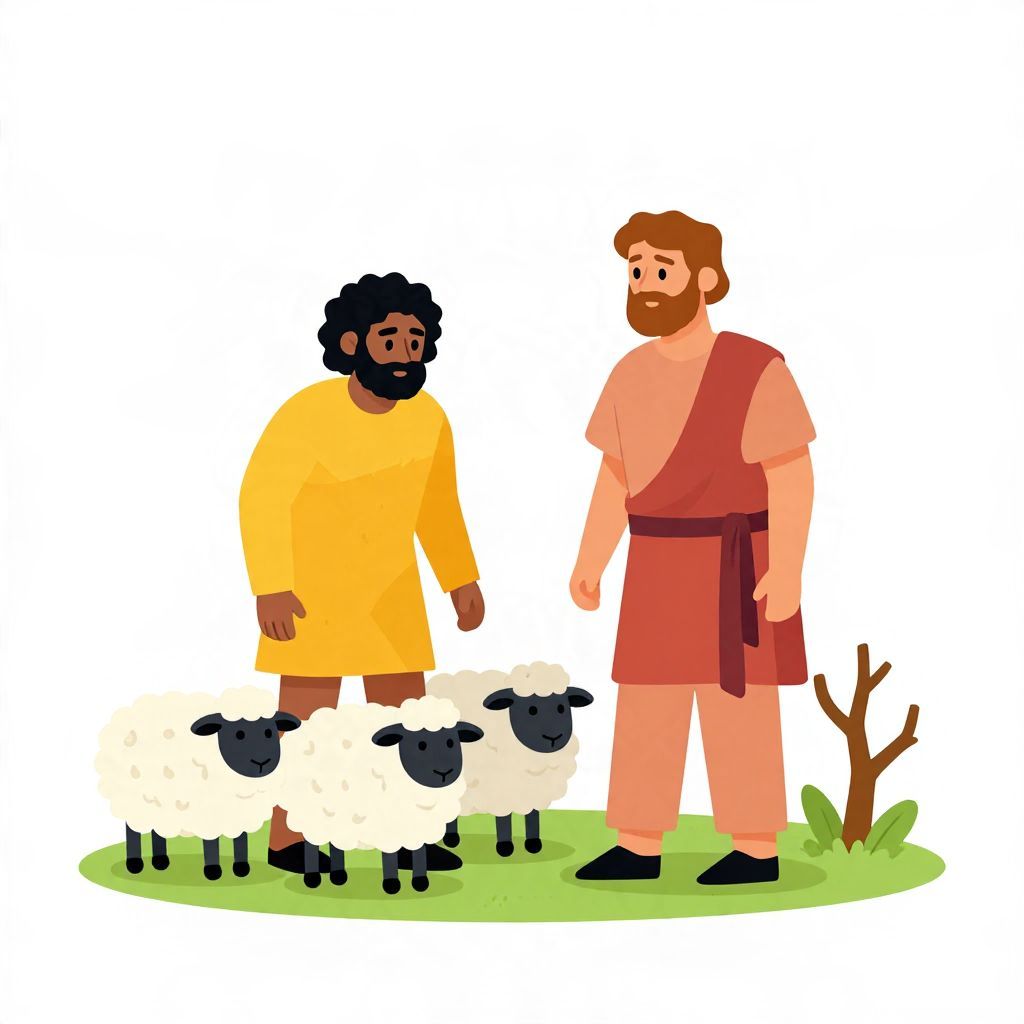
Have you ever wondered what could drive a person to commit an unthinkable act against a loved one? The story of Cain and Abel paints a stark picture of jealousy, anger, and the depths of human sin. This account from Scripture reveals profound spiritual truths that can help us understand our struggles with envy and emotional turmoil.
This article explores the reasons behind Cain’s tragic decision to kill Abel, drawing from the rich narrative in Genesis and applying its lessons to our lives today. Understanding this story helps us see the destructive power of sin and the importance of turning to God for healing.
Why Did Cain Kill Abel?
Cain killed Abel because of jealousy and anger over Abel’s offering being accepted by God while his was not. This conflict stemmed from Cain’s inability to manage his emotions, leading him to a shocking act of violence. Genesis 4:5-8 shows this escalating tension clearly.
The Context of the Offering
In Genesis 4:3-5, Cain and Abel both bring offerings to God. Cain farms the land and brings fruits, while Abel, a shepherd, offers the best of his flock. The Lord looks favorably on Abel’s offering but not on Cain’s. This pivotal moment ignites a chain reaction of emotions.
Understanding this differing acceptance sheds light on God’s standards for offerings. The issue is not merely about which offering is better. It reflects a deeper principle: God desires a heart committed to Him and faithful in worship.
The Root of Cain’s Anger
When Cain realizes that God has accepted Abel’s offering but rejected his, he becomes very angry (Genesis 4:5). This anger causes Cain to feel rejected and devalued. Have you ever faced a situation where you felt overshadowed by someone else? Cain’s experience resonates; jealousy can quickly spiral into resentment.
Anger itself is not sinful, but it requires careful handling. Ephesians 4:26-27 advises us, “In your anger do not sin: Do not let the sun go down while you are still angry.” Cain allows his anger to fester rather than seeking resolution, leading him down a dark path.
Cain’s Isolation
God notices Cain’s anger and warns him about it, saying, “Sin is crouching at your door; it desires to have you, but you must rule over it” (Genesis 4:7). This imagery of sin waiting like a predator illustrates the constant battle against our darker impulses. Here, God offers Cain guidance and a chance to change direction.
Cain’s choice to isolate himself from God’s counsel is critical. When we dismiss God’s warnings, we open ourselves to destructive influences. Are there moments in your life where you have disregarded God’s whispering guidance?
The Act of Violence
In Genesis 4:8, Cain tells Abel about his feelings. The text does not provide details, but it implies a transition from thought to action. Cain’s unresolved anger leads him to confront his brother, ultimately resulting in murder. The gravity of his action shocks us. How did he get to this point?
The depths of Cain’s decision remind us of James 1:14-15: “But each person is tempted when they are dragged away by their own evil desire and enticed. Then, after desire has conceived, it gives birth to sin; and sin, when it is full-grown, gives birth to death.” Cain’s downfall illustrates how unchecked jealousy can lead to disastrous consequences.
The Consequences of Cain’s Actions
After killing Abel, God questions Cain, asking where Abel is. Cain responds defiantly, “Am I my brother’s keeper?” (Genesis 4:9). This moment reveals Cain’s hardened heart. He does not take responsibility for his actions or express remorse.
God then delivers a severe consequence for Cain’s sin, marking him and declaring that he will be a restless wanderer (Genesis 4:10-12). His actions have irrevocably changed his life. Sin carries weighty repercussions. Have you pondered how your actions affect not just your life but the lives of others?
God’s Mercy in Judgment
Even in this situation, we see God’s mercy. Cain expresses fear that he will be killed, and God provides a protective mark, ensuring Cain doesn’t face immediate death (Genesis 4:15). This act demonstrates God’s desire for redemption, even for those who have sinned grievously.
This complexity of God’s justice and mercy encapsulates His character. God desires to restore us rather than punish us. As we reflect on our lives, we should remember that God stands ready to forgive. Are you aware of any burdens of sin you carry that need God’s touch?
The Lessons for Today
The narrative of Cain and Abel holds timeless lessons, relevant for anyone navigating jealousy, anger, and the consequences of sin.
Recognizing the Danger of Jealousy
Jealousy is destructive. It clouds our judgment and distorts our perceptions of reality. Instead of celebrating the successes of others, it breeds resentment. What would happen in your relationships if you chose gratitude over envy?
Philippians 4:8 encourages us to focus on what is true, noble, right, pure, lovely, and admirable. Redirection of our thoughts can diminish jealousy and promote a culture of encouragement.
The Importance of Emotional Management
Managing emotions is crucial in our Christian walk. James 1:19-20 states, “Everyone should be quick to listen, slow to speak and slow to become angry, because human anger does not produce the righteousness that God desires.”
Taking time to process our feelings and respond wisely prevents rash decisions that lead to regret. How can you incorporate this wisdom into your daily reactions?
Accountability to One Another
Cain’s initial refusal to accept his responsibility for Abel’s life reveals a fundamental issue in accountability. We are called to hold one another up in our faith journey (Galatians 6:1).
Forming relationships where accountability is present strengthens our walk with Christ. Who in your life can you share your struggles with, turning jealousy and anger into deeper relationships through honest dialogue?
Seeking God’s Guidance
God’s warning to Cain shows us the importance of seeking divine guidance when trouble arises. Prayer provides clarity and allows us to hear God’s voice. Are you willing to bring your struggles before God, seeking His wisdom and direction?
In times of crisis, remembering Psalm 32:8 can be a comfort. “I will instruct you and teach you in the way you should go; I will counsel you with my loving eye on you.” God is a gentle guide, ready to lead us away from danger.
Embracing God’s Forgiveness
The story of Cain and Abel also reflects the opportunity for redemption. No matter how far we stray, God’s grace is ever-present. Romans 5:20 reminds us that where sin abounds, grace abounds more. Acknowledging our sin and repenting opens the door to God’s forgiveness.
Reflect on your own life. Are there areas you need to bring before God, seeking His forgiveness and restoration?
Conclusion
The tragic account of Cain and Abel reveals critical truths about human nature, the dangers of unchecked emotions, and God’s unwavering mercy. Recognizing these elements in our lives encourages us to pursue healthy relationships, accountability, and a close walk with Christ.
As you reflect on Cain’s story, consider asking God to reveal areas in your heart that need transformation. Confess your struggles to Him and seek His guidance. Allow His grace to cover you, embracing the healing that leads to genuine restoration.
Explore more faith-based topics and articles to deepen your understanding of God’s desire for every aspect of your life. You can find prayers for loss of a loved one here and comfort in prayer for grieving here. Let these resources strengthen your journey of faith.