
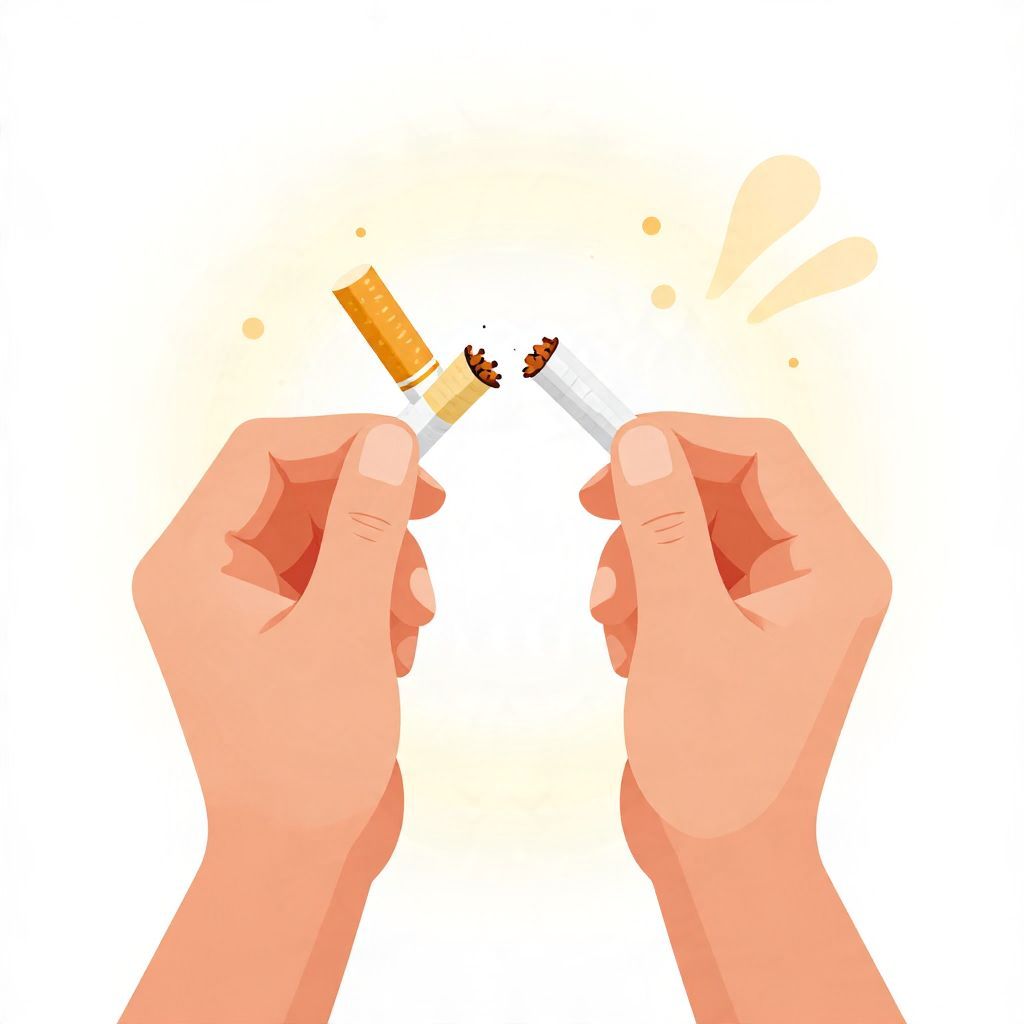
Have you ever wrestled with the question of whether smoking is a sin? This concern echoes in the hearts of many Christians who seek to align their choices with God’s will. As we explore this topic, we will anchor our understanding in Scripture and clarify what it means to glorify God in our bodies.
Understanding the moral implications of smoking requires examining the Scriptures, our bodies as temples, and how our choices reflect our relationship with God. This article seeks to provide clarity and direction rooted in biblical truth.
Is Smoking A Sin?
Smoking itself is not directly addressed in the Bible, so calling it a sin is not clear-cut. However, the act can conflict with the biblical principles of health, stewardship of the body, and love for oneself and others.
The Body As a Temple
Paul writes in 1 Corinthians 6:19-20, “Do you not know that your bodies are temples of the Holy Spirit, who is in you, whom you have received from God? You are not your own; you were bought at a price. Therefore honor God with your bodies.”
These verses emphasize that our bodies belong to God. Smoking introduces harmful substances that can damage the body, leading to questions about honoring God. Are we honoring Him when we expose our bodies to harm? Reflect on this: what decisions help you honor God with your health?
Stewardship of Health
God entrusts us with our bodies, calling us to be good stewards of His gifts. Proverbs 3:7-8 states, “Do not be wise in your own eyes; fear the Lord and shun evil. This will bring health to your body and nourishment to your bones.”
If smoking leads to ill health, it raises questions about our responsibility to take care of our bodies. Are we prioritizing our health and well-being? Ask yourself: how can you care for your body as a treasure from God?
Consideration for Others
Philippians 2:3-4 reminds us, “Do nothing out of selfish ambition or vain conceit. Rather, in humility value others above yourselves, not looking to your own interests but each of you to the interests of the others.”
Smoking can harm not only the smoker but also those around them through secondhand smoke. Are we considering the communities and families that might be affected by our choices? Reflect on how your lifestyle choices might influence others.
Freedom in Christ and Responsibility
Christ gives us freedom from sin, but this freedom comes with responsibility. In Galatians 5:13, Paul writes, “You, my brothers and sisters, were called to be free. But do not use your freedom to indulge the flesh; rather, serve one another humbly in love.”
While smoking may not be classified as a sin per se, it can be a way to indulge the flesh, which contradicts our call to live in love and service. How can you exercise your freedom in a way that serves and uplifts others?
The Question of Addiction
Smoking often leads to addiction, which can battle one’s ability to make free choices. 1 Corinthians 6:12 states, “I have the right to do anything,” you say, “but not everything is beneficial. I have the right to do anything,” but I will not be mastered by anything.”
If smoking holds a master-like grip on a person, it may lead one away from a relationship with God. Be honest: are there any habits in your life that you feel control you? How can you find empowerment in Christ to break free?
Practical Steps for Reflection
Here are some practical steps to consider as you reflect on smoking and its implications:
- Pray for wisdom in your choices, invoking James 1:5: “If any of you lacks wisdom, you should ask God.”
- Consider seeking guidance from a trusted spiritual mentor or health professional.
- Engage with Scripture, examining verses on health and integrity.
- Reflect on your motivations for smoking. Are they aligned with a pursuit of health and love for God?
- Explore support groups or programs that facilitate healthier life choices.
Repentance and Renewal
If you feel convicted about smoking, repentance is crucial. 1 John 1:9 assures us that “If we confess our sins, he is faithful and just and will forgive us our sins and purify us from all unrighteousness.”
This call to repentance also includes taking active steps toward renewal. Are you in a place where you’re ready to release this habit and pursue a healthier lifestyle? What practical steps can you take today?
Freedom in Seeking Support
Support plays a significant role in overcoming habits. Ecclesiastes 4:9-10 illustrates the importance of companionship—“Two are better than one, because they have a good return for their labor: If either of them falls down, one can help the other up.”
Consider finding a friend or a group to walk with you through this process. Who in your life can hold you accountable and encourage you in your journey?
Conclusion: A Call to Reflect and Act
Smoking isn’t explicitly labeled as sin in the Bible, yet it beckons believers to evaluate their choices in light of health, stewardship, and love for others. Each person bears the responsibility to seek God’s guidance in their lives.
Engage with God in prayer, asking for strength and clarity in making decisions. If you feel the need to turn away from smoking, prayer for cleansing and healing is available. Consider praying a prayer for repentance and cleansing as you seek a fresh start.
As you walk forward, remember that God desires your best, including in your choices. Embrace your identity in Christ and live empowered. Explore support, seek guidance, and step forward in faith.
Explore more faith-based topics and articles to deepen your understanding. Join in prayer for cleansing and reveal your journey back to health through prayer for repentance and cleansing or prayer for sin. Allow God’s truth to guide your choices with love and clarity.