
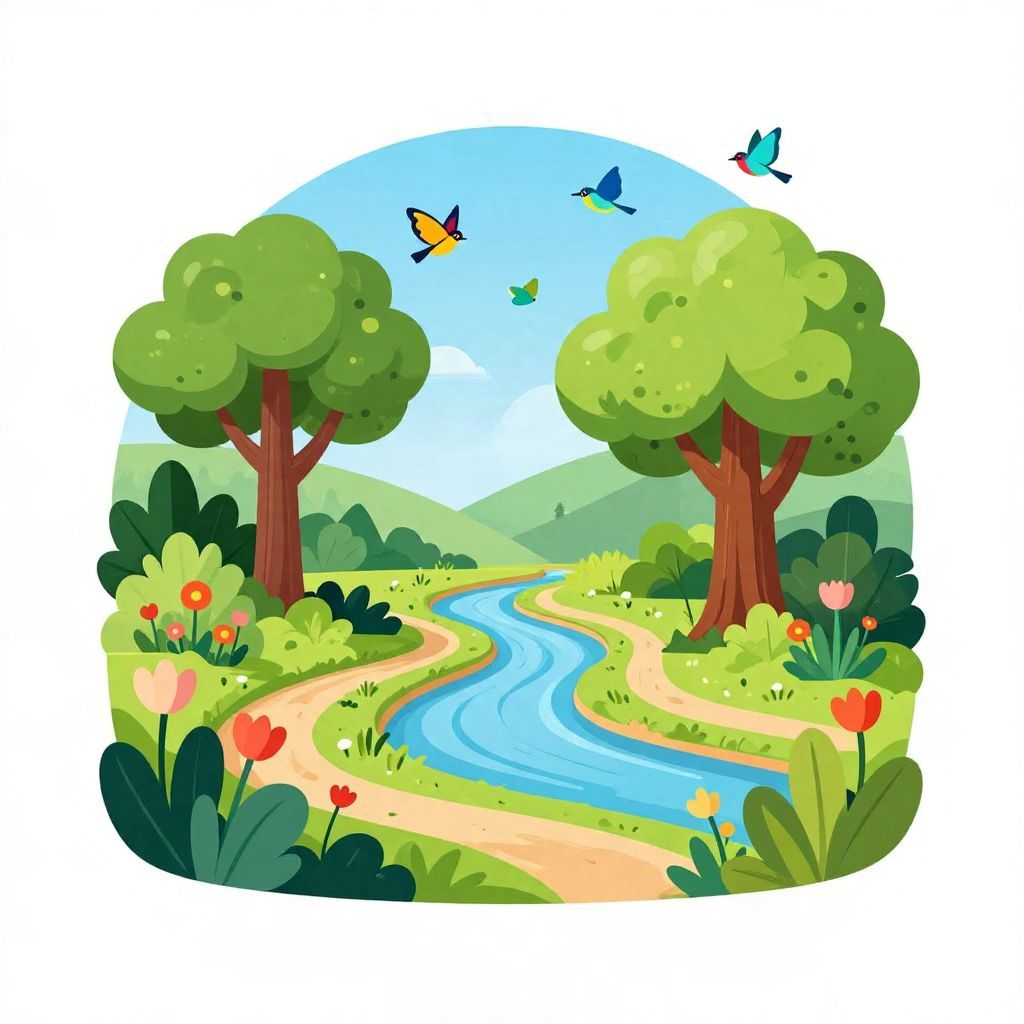
Have you ever wondered where the Garden of Eden is? This question intrigues many believers seeking to understand their spiritual roots. The Garden of Eden not only represents a physical place but also illustrates profound truths about our relationship with God, creation, and ourselves.
This article explores the location of the Garden of Eden and its significance in Scripture. Understanding where it is situated helps us grasp the broader narrative of the Bible and our call to faithful living.
Where Is The Garden Of Eden Located?
The precise location of the Garden of Eden remains uncertain. However, the Bible provides clues that suggest it lies near four rivers: the Pishon, Gihon, Tigris, and Euphrates (Genesis 2:10-14). These rivers are associated with regions that correspond to modern-day locations in the Middle East.
The Clues from Scripture
The Book of Genesis gives us vital hints about Eden’s geography. Genesis 2:8 states, “Now the Lord God had planted a garden in the east, in Eden.” This initial reference places Eden somewhere to the east of Israel, immediately sparking questions. What does it mean for a garden to be planted in the east?
Genesis 2:10-14 details the rivers flowing from Eden. The Pishon is said to flow around the land of Havilah, where there is gold. The Gihon winds through Cush. The Tigris is mentioned as running east of Assyria, and the Euphrates is one of the most recognized rivers today, flowing through modern Iraq. These geographical identifiers lead many scholars to suggest that Eden could exist in an area looking quite similar to parts of modern-day Iraq or Iran.
The Garden of Eden holds much more significance than just its physical location. It symbolizes the perfect communion between God and humanity. Adam and Eve walked with God in the garden, enjoying His presence without barriers. This state reflects God’s intention for humanity: relationship, peace, and purpose.
Have you ever considered the intimacy that Adam and Eve experienced with God? They lived without the hindrance of sin, existing in harmony with their Creator. This relationship serves as a reminder of God’s original design for us.
The Nature of Eden
Eden was not merely a garden; it was an idyllic paradise characterized by beauty, perfection, and abundance. Genesis 2:9 describes it as having trees that were “pleasing to the eye and good for food.” This description emphasizes both the aesthetic and functional aspects of Eden.
The Role of Adam and Eve
In Eden, God placed Adam to work and care for the garden (Genesis 2:15). Adam’s role indicates that work is not a result of the fall but part of God’s design for humanity. Work brings fulfillment and purpose when it aligns with God’s will.
Eve, created as Adam’s helper, highlights the nature of relationships God designed for humanity. With mutual support and collaboration, they reflect the unity and diversity of God’s creation. Their partnership serves as a model for relationships today. When conflict arises, recall the original framework God established.
The presence of the tree of the knowledge of good and evil (Genesis 2:16-17) introduces a critical element: free will. God’s command not to eat from this tree emphasizes the importance of choice in human relationship with Him. Genuine love cannot exist without the possibility of rebellion.
Reflecting on this, what choices do you make daily that affirm or challenge your relationship with God? Each decision offers an opportunity to align with His will or stray from it.
In Genesis 3, Eve and Adam choose to eat from the forbidden tree, leading to sin entering the world. Their choice resulted in immediate separation from God, evident when they hid from Him in shame (Genesis 3:8).
This separation parallels the spiritual distance many experience today. Sin corrupts relationships, leading to disarray in our lives and our communities. It can leave us feeling isolated and alone.
The consequences of their actions extend beyond their relationship with God. Sin led to physical decay and toil. The ground that once yielded abundantly would now resist, requiring human effort to cultivate (Genesis 3:17-19). The idyllic paradise turned into a harsh reality tinged with pain and struggle.
This transformation of creation serves as a reminder of humanity’s calling to steward the earth responsibly. Today, how do you respond to environmental challenges? God still calls us to honor His creation.
Many have tried to pinpoint Eden’s location throughout history, from geographical studies to scriptural interpretations. However, it remains undiscovered. This ongoing search may provoke thoughts about longing—what are we searching for in our lives?
The desire for Eden reflects a deeper longing for perfection, peace, and harmony with God. Each time we feel the ache of this world—through suffering, loss, or separation—we echo that original state. Our hearts crave a return to the garden.
In many ways, this longing for Eden resembles the anticipation of our future hope. Romans 8:22-23 affirms that creation “waits in eager expectation for the children of God to be revealed.” We are not simply seeking Eden; we are looking forward to an eternal home promised by God.
Jesus fulfills the promise of restoration God initiates. He offers redemption through His sacrifice, allowing us to enter back into a relationship with the Father. Revelation 22:1-2 describes a future perfect paradise where believers will dwell with God forever—akin to Eden yet filled with even greater blessings!
Have you embraced the gift of redemption? Understand that through Christ, you reclaim the access lost in Eden, enjoying a personal relationship with God.
The narrative of Eden teaches us critical truths that impact our daily lives. Here are a few takeaways to guide your journey:
- Embrace Your Role: Like Adam, engage thoughtfully in your work and responsibilities. Your efforts matter in God’s design.
- Choose Wisely: Be aware of the choices you make daily. Strive to nourish your relationship with God through obedience.
- Seek Restoration: Remember the hope of redemption through Christ. Allow His truth to guide you back to divine intimacy.
- Steward Creation: Care for the earth and its resources. Our actions reflect God’s love and respect for His creation.
While your individual journey matters, community shapes our spiritual growth. Engage in fellowship with fellow believers. Together, we can encourage one another to seek God’s kingdom, reflecting the unity seen in Eden.
How can you foster spiritual relationships that inspire deeper faith? Consider ways to connect with others in your church or community, supporting each other in seeking God.
The Garden of Eden invites us to remember our spiritual heritage and relationship with God. Despite its physical location remaining undiscovered, the truths it represents are indisputable. We long for the connection God intended for humanity.
Reflect on your relationship with God today. Are there areas where you feel disconnected? Turn to Him, confessing any ways you have strayed, and invite His restoration into your life. Remember, through Christ, you reclaim access to His presence like Adam and Eve enjoyed.
As you explore the themes of Eden, consider broadening your understanding of faith through other writings. To enhance your prayer life, explore prayers for Israel or find strength in a prayer for the nation with Scriptures. Each resource enriches your spiritual journey and deepens your connection to God.