
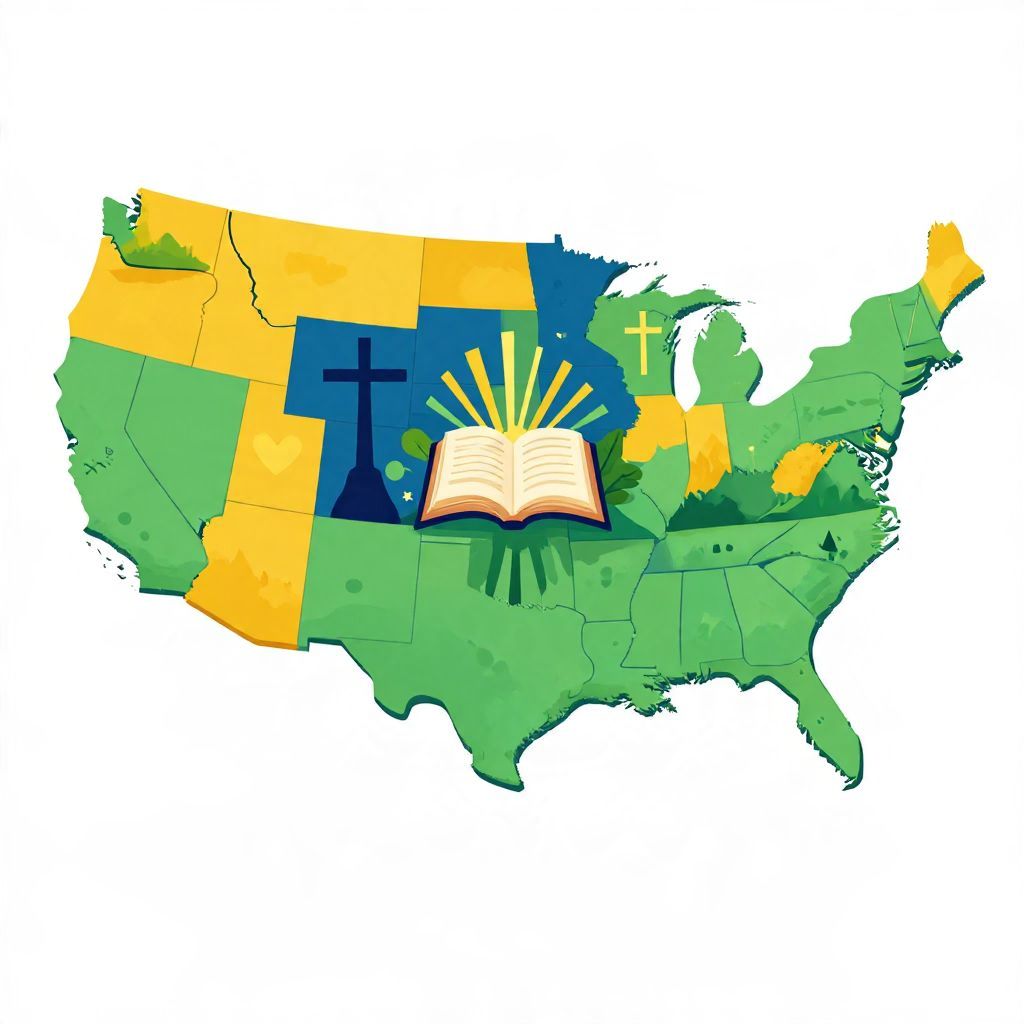
Have you ever wondered why certain regions of the United States are more associated with Christian values than others? This question leads to a deeper exploration of the faithful heart of America, marked notably by a region commonly called the Bible Belt. Understanding where the Bible Belt is located—and why it holds such significance—can profoundly enrich your perspective on faith and community in this part of the country.
The Bible Belt primarily encompasses the Southeastern United States, where evangelical Christianity flourishes. This region’s spiritual climate offers a unique blend of cultural values and biblical principles that shape daily life, community interactions, and even politics. It’s important to recognize how this spiritual heritage is woven into the very fabric of America, as seen in both the challenges and triumphs of the faithful.
Where Is The Bible Belt?
The Bible Belt stretches across multiple states, primarily including Texas, Oklahoma, Arkansas, Louisiana, Mississippi, Alabama, Tennessee, Kentucky, and parts of Georgia and the Carolinas. This region is characterized by a high concentration of evangelical Christians and a cultural emphasis on the Bible.
Defining Characteristics of the Bible Belt
Understanding the Bible Belt goes beyond just geography. The following characteristics define this spiritually vibrant region:
- A strong presence of evangelical churches, including Baptist, Methodist, and Pentecostal denominations.
- Higher church attendance rates compared to many other regions in the United States.
- Communities often emphasize family values and traditional moral standards grounded in Scripture.
- Political policies and social attitudes frequently reflect biblical teachings and principles.
- A culture that prioritizes public displays of faith, including prayer at schools and public events.
The Historical Background of the Bible Belt
The origins of the Bible Belt trace back to the early 20th century. There was a significant revival movement during the Second Great Awakening, emphasizing personal faith and emotional expression. This revival fostered a strong sense of community centered on shared beliefs.
Key Events that Shaped the Bible Belt
Several historical events contributed to the establishment and growth of the Bible Belt:
- The rise of the Southern Baptist Convention in the 19th century, which grew as a response to social and moral issues of the time.
- The Civil Rights Movement, during which many churches played pivotal roles, both in support of social change and in opposition.
- Evangelical revivals throughout the 20th century, which fueled church growth and community involvement.
The Spiritual Landscape of the Bible Belt
In the Bible Belt, varying expressions of faith provide a rich tapestry of spiritual life. Local churches play central roles in community cohesion. Christianity permeates daily activities and is often reflected in local culture.
Community and Worship
Church services often extend beyond Sunday morning. Many churches offer activities throughout the week, creating an active community. This involves:
- Bible study groups fostering deeper understanding of Scripture.
- Community service projects that reflect Jesus’ call to love one’s neighbor.
- Seasonal events, such as revivals, Christmas cantatas, and summer camps, which strengthen community ties.
Challenges Facing the Bible Belt
While the Bible Belt is rich in faith, it also faces unique challenges. Cultural shifts and increasing secularism test the resolve of communities. Issues such as:
- Declining church attendance among younger generations, reflecting broader societal trends.
- Challenges presenting Christianity authentically in a pluralistic society.
- Struggles with social issues like poverty, addiction, and education that need faith-based solutions.
The Bible Belt and Scripture
The Bible Belt is deeply intertwined with Scripture. The emphasis on biblical literacy shapes the spiritual practices of its inhabitants. Scripture serves as the foundation for moral teaching, inspiration, and life decisions.
Prominent Scriptures in the Bible Belt
Several biblical passages resonate strongly within the culture of the Bible Belt. These verses inspire and guide the lives of many believers:
- Matthew 28:19-20, the Great Commission, highlights the call to share the Gospel.
- Philippians 4:13 encourages strength through Christ in all endeavors.
- Proverbs 22:6 underscores the significance of raising children in faith.
- 2 Chronicles 7:14 calls for humble prayer and seeking God’s face during national challenges.
The Role of Faith in Daily Life
In the Bible Belt, faith shapes everyday experiences. From the workplace to families, Christian principles provide guidance.
Faith in the Workplace
Workplaces often embrace faith-based principles, impacting corporate culture. Employees prioritize integrity, honesty, and service, reflecting their commitment to biblical values.
Family Life and Faith
Families in the Bible Belt commonly incorporate faith into everyday life. This includes:
- Daily prayers, grace before meals, and weekend worship attendance.
- Teaching children biblical stories and moral lessons.
- Community involvement through family-oriented church activities.
The Future of the Bible Belt
The Bible Belt’s future poses both challenges and opportunities. The blend of faith and culture continues to adapt to changing societal landscapes.
Adapting to Change
Believers must articulate their faith meaningfully to the next generation. It involves creating spaces where faith is discussed openly and authentically.
Mission Opportunities
With ongoing challenges, mission work also finds fertile ground. Initiatives aimed at serving the underserved reflect Jesus’ love and provide practical assistance.
The Importance of Prayer and Community Support
Prayer remains a cornerstone of life in the Bible Belt. The faithful recognize its power for healing and guidance.
Local Prayer Initiatives
Communities rally for prayer events, recognizing the need for divine intervention in societal struggles. These gatherings often foster unity and collective purpose.
Conclusion
The Bible Belt, an area rich with faith, faces both unique challenges and blessings. As the landscape changes, the commitment to Scripture and community remains a steadfast anchor. Responsive believers understand the need to engage thoughtfully with the surrounding culture while holding firmly to their beliefs.
Consider how you can engage with your own community. How can prayer shape your actions and decisions? What steps will you take to share your faith authentically? Reflect on these questions and take them to God in prayer. Remember, engaging with the divine and with one another fosters both personal growth and community strength.
To explore more faith-based topics and articles, visit prayers for Texas and prayers for America.