
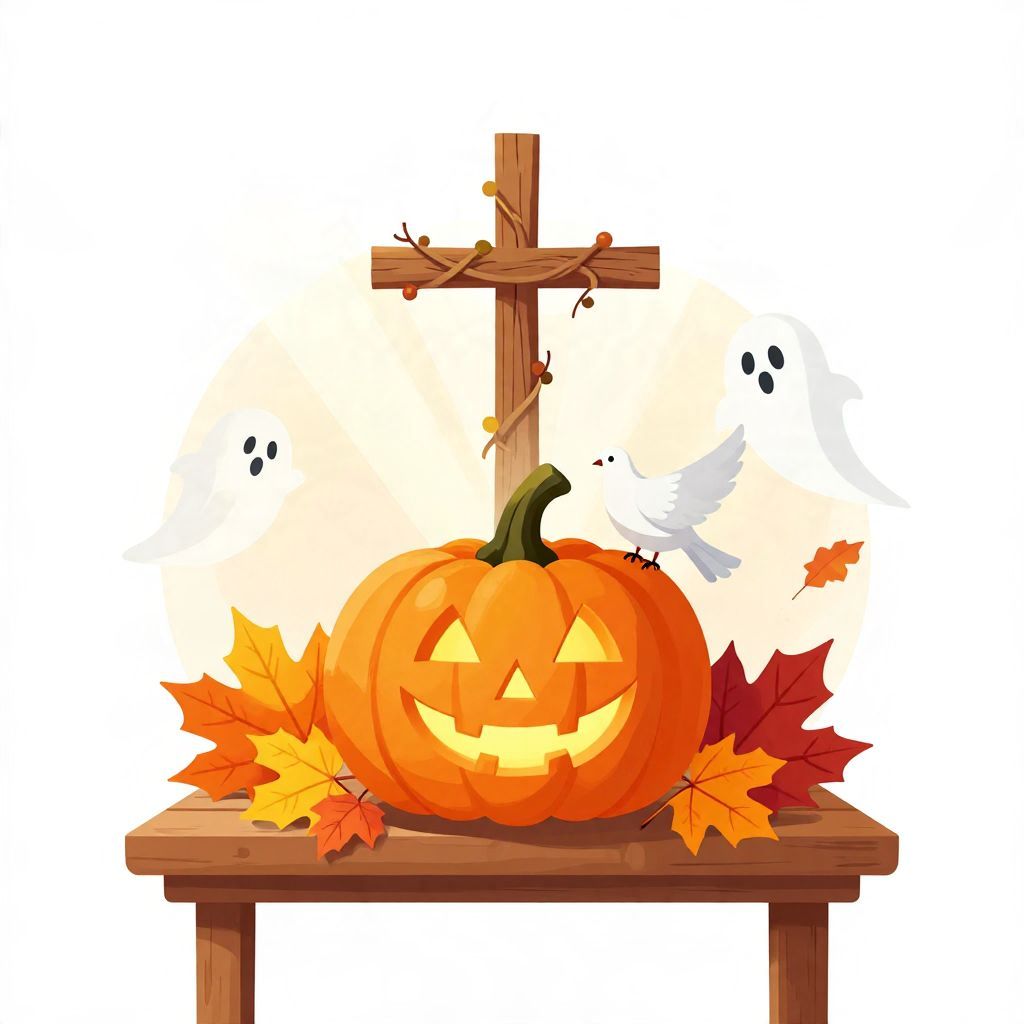
Many Christians wonder if celebrating Halloween aligns with their faith. Is participating in festivities that revolve around costumes and candy a betrayal of spiritual values? Addressing this question requires grounding in Scripture and an understanding of God’s character. What does the Bible say about engaging in cultural events, and how can believers approach Halloween thoughtfully?
The core truth here is that Halloween, like many aspects of culture, carries varied meanings and traditions. The Bible does not explicitly mention Halloween, but it does provide principles for living out faith in contemporary settings. Seeking God’s guidance through prayer and Scripture can illuminate a path for a discerning believer.
Can Christians Celebrate Halloween?
Yes, Christians can celebrate Halloween, but it must be approached with care and intent. Understanding the origins of Halloween and its implications in modern culture matters. Believers should focus on how they can participate without compromising their witness.
Understanding Halloween’s Origins
Halloween traces its roots to ancient Celtic festivals, particularly Samhain, when people believed that the boundary between the living and dead blurred. Historically, it included practices rooted in superstition and paganism. As Christianity spread, some traditions merged with Halloween, evolving over centuries.
Although Halloween has pagan roots, the modern celebration is often centered on harmless fun rather than those origins. It has transformed into a day for costumes, community engagement, and charitable acts. The intent behind participation can shape its appropriateness.
The Biblical Perspective on Cultural Engagement
The Bible encourages Christians to engage with culture wisely. In 1 Corinthians 10:31, Paul writes, “So whether you eat or drink or whatever you do, do it all for the glory of God.” This verse highlights that the intention behind actions matters significantly. If Christians choose to celebrate Halloween, they must do so in a way that honors God.
Furthermore, Romans 12:2 teaches believers not to conform to the patterns of this world but to be transformed by the renewing of their minds. This transformation allows Christians to engage with Halloween in redemptive ways while resisting elements contrary to their faith.
Assessing Personal Convictions
Every believer must assess their convictions regarding Halloween. Romans 14:5 emphasizes that each person should be fully convinced in their own mind. Celebrate freely, or abstain peacefully — both paths can honor God depending on personal conviction.
For some, Halloween may feel aligned with personal beliefs, while others may feel uncomfortable due to its associations. Reflective questions could help clarify where one stands: Do I view Halloween as an opportunity for family fun, or do I feel drawn to avoid it due to its origins? What memories do I have of past celebrations? How does God guide my thoughts about this community event?
Alternatives to Traditional Halloween Activities
If engaging with Halloween feels uneasy, various alternatives exist that allow believers to participate in community events without compromising their faith. Options could include:
- Hosting a harvest festival focused on family-friendly activities.
- Participating in “trunk or treat” events organized by churches or community groups.
- Creating safe and welcoming spaces for neighborhood children.
- Engaging in a service project to help those in need during the season.
These alternatives can provide a way to enjoy community spirit while shining Christ’s light in the world.
Evaluating Costumes and Decorations
If celebrating Halloween, costume choices and decorations warrant careful thought. 1 Thessalonians 5:22 advises believers to avoid every kind of evil. Christians can choose costumes that do not glorify darkness or engage with themes contrary to their faith. Instead of ghosts and witches, consider costumes that reflect positive characters or uplifting themes.
Decorations can also reflect one’s faith. Choose cheerful and wholesome themes that instill fun without provoking fear or dread. Offering treats or directing children toward a meaningful message can turn a potentially contentious celebration into a vibrant expression of faith.
Consider Community and Family Impact
How does participation in Halloween affect your family and community’s view of your faith? Consider Galatians 5:13, which reminds Christians to serve one another humbly in love. Participation can either build or hinder a witness. Engaging thoughtfully in Halloween can provide opportunities to witness to neighbors and share joy, or it can simply lead to misunderstandings.
Reflect on how your decision impacts family dynamics, friendships, and opportunities for dialogue about spiritual beliefs. Can Halloween be a platform for discussions about faith? Ask, “How can my choices build bridges instead of walls?”
Intentionally Focusing on the Good
Engaging with scripture can help redirect focus toward goodness. Philippians 4:8 encourages believers to think on what is true, noble, right, pure, lovely, and admirable. This mindset can transform how one interacts with the holiday.
Create intentional family traditions that uplift and encourage gratitude rather than fear or darkness. Bake treats together, volunteer at local charities, or participate in community events that celebrate joy and unity. Such practices can build strong family bonds and cultivate a heart for serving others.
Praying for Guidance and Wisdom
Prayer serves as a vital component in navigating decisions concerning participation in Halloween. James 1:5 encourages believers to ask God for wisdom. Seek His guidance through prayerful reflection about how to engage with this holiday.
Seek wisdom for how to communicate about Halloween with friends and family and for fortitude in standing firm in personal convictions. Bringing decisions to God in prayer opens the heart to His peace and affirmation of faith.
Bringing Light into Darkness
As Christians, believers are called to be the light of the world (Matthew 5:14). Halloween occurs during a season often associated with fear, darkness, and evil. Yet, this can also be a unique opportunity to shine brightly for Christ.
Sharing the Gospel Through Halloween
Consider ways to incorporate sharing the message of hope and salvation during Halloween. Options include:
- Handing out gospel tracts along with treats.
- Inviting neighbors to special church events or services centered around gratitude or community.
- Creating a simple outreach project that engages the community positively.
By sharing the light of Christ, believers can turn a day filled with darkness into an opportunity for spreading joy and love.
Encouraging Fellowship
Participating in Halloween can be an opportunity for fellowship among believers. Many churches host events to gather community members, fostering connection and joy. Such gatherings reflect the love of Christ and can help strengthen relationships.
Invite fellow believers to join in celebrations surrounding Halloween with a clear purpose rooted in faith. Engage in discussions about faith, love, and the goodness of God, whether around a bonfire or during community events.
Cultivating a Spirit of Fun
Halloween can also be an opportunity to cultivate a joyful spirit in families. Enjoying this time together can foster memories and reinforce family bonds. Focus on activities involving laughter, fun, and creating joyful experiences that build the family unit.
As believers, creating wholesome memories can provide joy while allowing love and grace to flow through celebrations. When families approach Halloween with a positive mindset, they can transform the intent behind the occasion.
Responding to Those Who Disagree
Not everyone shares the same view of Halloween, and this can lead to conversations that may be challenging. Understanding that others may feel strongly about their convictions matters. 1 Peter 3:15 calls believers to always be prepared to give an answer for the hope within while doing so with gentleness and respect.
In discussions about Halloween, embody gentleness. Focus on understanding where others come from while articulating one’s perspective clearly. Such conversations, though potentially uncomfortable, can provide opportunities for spiritual growth and understanding.
Conclusion
The question of whether Christians can celebrate Halloween ultimately comes down to personal conviction, the focus on Christ, and an intention to glorify God. By grounding decisions in prayer and Scripture, believers can navigate this day thoughtfully.
If deciding to celebrate Halloween, Christians can choose to make it a platform for joy, outreach, and connection. Whether participating in traditional customs or creating alternative expressions, the heart should remain fixed on glorifying God through every action.
In prayerful reflection, seek clarity on how to approach this holiday. Each day presents opportunities to live out faith, engage the community, and share the joy of Christ. May every celebration testify to God’s goodness and love.
Explore more faith-based topics and articles at Prayer for Safety and Protection or find guidance with Prayer for Protection from Evil at Work.