
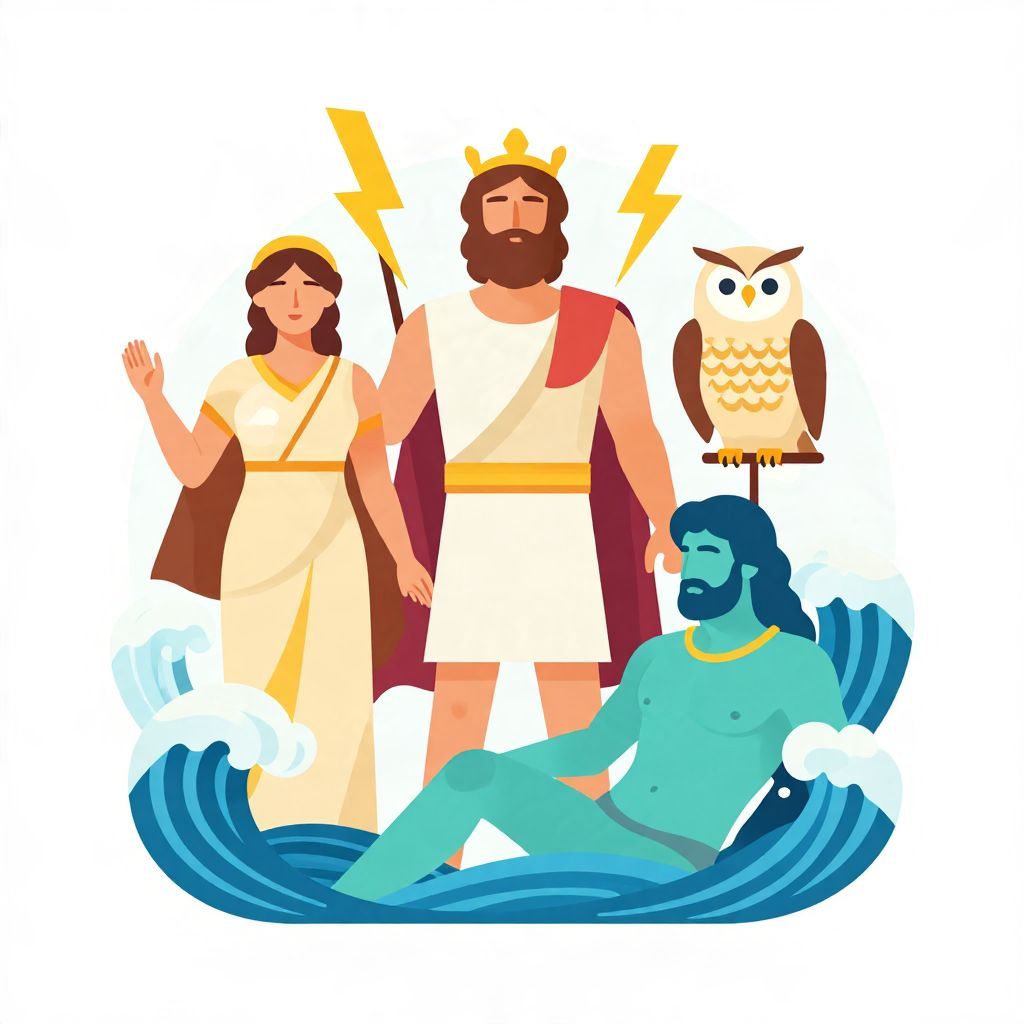
Have you ever wondered if anyone today still holds on to the belief in Greek gods? In a time marked by scientific progress and diverse belief systems, this question invites deeper reflection on faith and spirituality. Although mainstream religion has shifted, there still exists a niche community that engages with these ancient myths as a source of inspiration and meaning.
This article will explore the enduring fascination with Greek mythology and its implications. Connecting it to Christ’s truth reminds us to evaluate our beliefs critically and seek genuine faith grounded in Scripture.
Do People Still Believe In Greek Gods?
Yes, some people still believe in Greek gods today, often practicing modern forms of Hellenism. These beliefs focus on the reverence of ancient deities like Zeus, Athena, and Poseidon, integrating them into spiritual practices. However, this belief system exists within a much narrower scope compared to the followers of Christianity.
The Revival of Ancient Beliefs
The revival of interest in Greek mythology began in the late 20th century. Groups and individuals started identifying with Hellenistic practices, seeking a spiritual connection with the deities worshipped in antiquity. This revival can be seen as a response to the modern world’s search for meaning beyond secularism.
Followers often engage in rituals reminiscent of ancient practices. They might honor gods through offerings, prayers, and festivals, creating a context where mythology becomes a form of spirituality. They find personal significance and identity in these ancient stories.
Mythology as Metaphor
Not all who appreciate Greek mythology believe in the literal existence of these gods. Many view myths as rich tapestries of metaphor reflecting human experience, emotions, and societal values. Through this lens, the stories teach lessons and explore themes still relevant today.
Mythological figures like Prometheus, who brought fire to humanity, symbolize knowledge and defiance. Others, like Persephone, reflect cycles of life and death. These stories resonate with people, making them meaningful regardless of belief.
What Does Scripture Say About Idolatry?
Scripture clearly addresses the issue of idolatry, emphasizing a deep commitment to the one true God. In Exodus 20:3-5, God commands, “You shall have no other gods before me.” This commandment serves as a foundation for Christian faith, highlighting the dangers of worshiping false gods.
Idolatry is not merely an ancient issue; it continues today in various forms. When believers allow anything to supplant their relationship with God, they risk spiritual stagnation. Reflecting on how easily people can elevate ideals, material possessions, or even ancient myths reminds us of the importance of staying anchored to Scripture.
The Danger of Deception
The New Testament provides insight into the danger of idolatry. In 1 Corinthians 10:14, Paul warns, “Therefore, my dear friends, flee from idolatry.” Idolatry distracts believers from God’s purpose and can lead to spiritual deception.
Modern believers should ask themselves: Are there elements in my life that draw my affection away from Christ? If something competes for devotion, it becomes an idol. This presents a challenge to identify those distractions and refocus on God’s truth.
Can We Find Common Ground?
Finding common ground with those who believe in Greek gods can start with recognizing the values of morality and virtue often depicted in mythology. Many moral lessons present in these myths encourage traits such as courage, honesty, and integrity, which align with Christian values.
Conversations can open doors to meaningful discussions about faith. Discussing how different cultures perceive divinity can lead others to explore the character of God as portrayed in the Bible. Highlighting the differences between worshiping gods and the relationship with Jesus Christ helps in clarifying the distinction between mythological beliefs and true faith.
Engaging Through Questions
Engaging with those who embrace Hellenistic beliefs can involve asking thoughtful questions. For example: What does your belief in these gods bring to your life? How do you find connection in those ancient stories?
Questions nurture relationships and create space for dialogue. Have you considered asking individuals about their spiritual journey? This approach requires humility and respect, demonstrating a willingness to understand rather than to condemn.
Understanding Spirituality in Culture
The ongoing interest in Greek gods reflects a broader quest for spirituality. Many desire to connect with something greater than themselves. People often fuse contemporary beliefs with ancient traditions, customizing their spiritual paths.
Such spiritual exploration can lead to mixing beliefs, where individuals borrow practices across various religions. While seeking spirituality is valid, understanding the foundational truths of the Christian faith remains crucial. Jesus emphasized in John 14:6, “I am the way and the truth and the life.”
The Unique Claim of Christianity
Christianity distinctly claims that Jesus is the only way to a relationship with God. Unlike Greek mythology, which presents multiple gods with flawed personalities, Christianity provides a Savior who is perfect, loving, and just. This truth invites believers to reflect on their understanding of God.
Jesus remains unmatched in His ability to transform lives. Have you ever considered how freeing it is to lay aside the burden of trying to appease multiple gods? Instead, we can come to Christ, who freely offers grace and love.
Finding Purpose Amidst Beliefs
Believers can find purpose in sharing Christ’s love with those exploring other spiritual paths. It invites opportunities to demonstrate hope, peace, and joy found in a relationship with God. Sharing testimonies of how Christ changed lives can break down barriers and encourage others to consider the true meaning of faith.
This interaction emphasizes that belief is not just an academic exercise but a deeply personal experience. Engaging with the spiritual journeys of others offers insight into their searches for hope, revealing how God works in diverse ways.
A Practical Approach to Conversations
Approach discussions with those who believe in Greek gods by keeping specific strategies in mind:
- Listen actively. Seek to understand their beliefs without immediate judgment.
- Share personal testimony. Speak of how Christ has transformed your life.
- Address misconceptions. Gently clarify differences between pagan beliefs and Christianity.
- Pray. Ask the Holy Spirit to guide your conversations and touch hearts.
Ultimately, the goal is to share the hope found in Jesus rather than merely winning an argument. This creates the opportunity for individuals to see a different perspective on faith.
The Call to True Worship
Ultimately, Christians must remain steadfast in their beliefs. Romans 12:1 urges believers to “offer your bodies as a living sacrifice, holy and pleasing to God.” True worship extends beyond ceremonial acts and encompasses devotion in daily life.
Reflecting on true worship prompts an assessment of priorities. What captures your heart and mind daily? Where do you invest your time and energy? Aligning these aspects with God’s truth offers a wholesome path toward spiritual encouragement.
Living as a Testament to God’s Truth
Christians represent the light of Christ, both in behavior and belief. Our lives should reflect the beauty of knowing God. As Jesus stated in Matthew 5:16, “let your light shine before others, that they may see your good deeds and glorify your Father in heaven.”
How can you shine God’s light in a world filled with competing narratives? Identifying small, daily actions can lead to greater visibility of Christ’s love in trying times.
Conclusion
Recognizing the reality of Greek gods and their followers offers valuable insight into faith and spirituality. Genuine belief transcends simple idol worship, aiming for a relationship with the one true God. The lessons from mythology can contribute to understanding human longing for hope, acceptance, and purpose.
Evaluate your beliefs and anchor them in Scripture. Pursue a vibrant faith that draws closer to God, inviting others to witness the saving grace of Jesus Christ. What practical step can you take today to share this truth with someone searching for meaning?
Explore more faith-based topics and articles to deepen your understanding and grow spiritually. Consider visiting All Christian Prayer for prayer resources, or check out prayers for Israel. Each step taken helps illuminate the path toward deeper faith.