
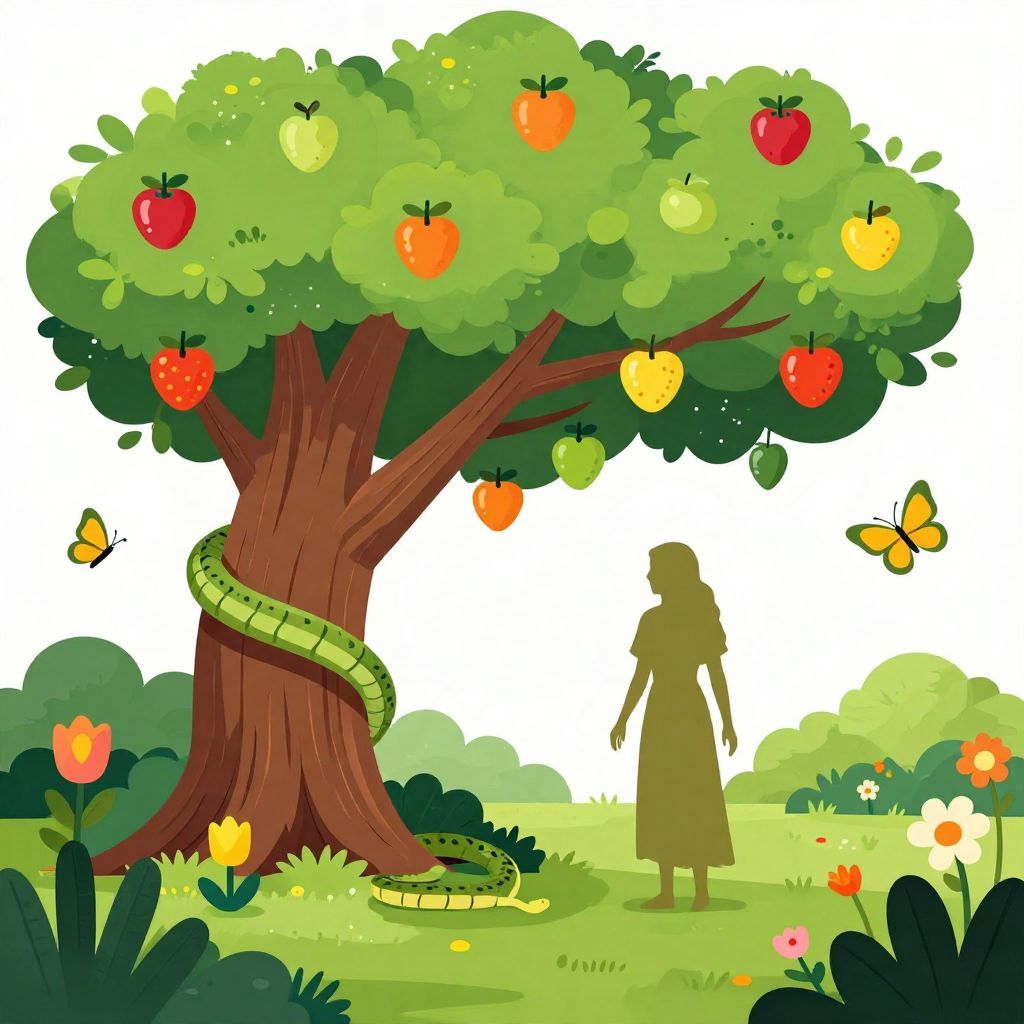
Have you ever wondered about the ultimate fate of Adam and Eve? Their story is foundational to our understanding of human nature, sin, and the need for redemption. The question of how they died is more than a historical curiosity; it touches on the nature of life, death, and God’s plan for humanity.
This article will explore the biblical account of Adam and Eve’s death—not just physically but spiritually as well. What does Scriptures tell us about their demise, and why does it hold significance for us today? Understanding these truths can deepen your faith and illuminate God’s character.
How Did Adam And Eve Die?
Adam and Eve died both spiritually and physically, as a direct consequence of their disobedience to God. Spiritually, they experienced separation from God on the day they ate from the forbidden tree, which Genesis 2:17 highlights. Physically, they lived for many years after that but eventually succumbed to death as part of the human condition introduced by sin.
The Immediate Consequence of Disobedience
In Genesis 2:16-17, God commands Adam not to eat from the tree of the knowledge of good and evil, warning him that eating from it would lead to death. This command was not ambiguous; it was clear and straightforward. The moment Adam and Eve disobeyed by eating the fruit, they faced immediate spiritual death.
How often do we see immediate consequences for our actions? Sin often brings about spiritual death before it manifests physically. Reflect on times you have felt disconnected from God due to sin. What might that teach you about the gravity of disobedience?
The Meaning of Spiritual Death
Spiritual death means separation from God. Adam and Eve, who once enjoyed unbroken fellowship with their Creator, immediately experienced alienation. Genesis 3:8 depicts how they hid from God, illustrating their new reality of fear and shame. Sin disrupts our relationship with God, placing a barrier that can only be reconciled through repentance and faith.
Are there areas in your life where sin has caused you to feel distant from God? Acknowledging this can be the first step toward restoration.
Physical Death: The Inevitable Outcome
Though their spiritual death was immediate, Adam and Eve continued to live physically for many years. Adam is described as living for 930 years (Genesis 5:5). Yet, the sentence of death initiated by sin could not be ignored. Romans 5:12 explains that sin entered the world through one man, resulting in death. This principle extends to all humanity, reminding us that death is part of the human experience.
While physical death may seem daunting, it points to the reality that life is temporary. How often do we reflect upon the brevity of our own lives?
Why Did They Have to Die? The Purpose of Death
Examining the purpose of death in Adam and Eve’s story leads to profound spiritual insights. Death serves as a reminder of the consequences of sin and the necessity of redemption. Understanding this can provide a clearer perspective on life and death for believers today.
Consequences of Sin: A Ripple Effect
Adam and Eve’s disobedience brought consequences that reached far beyond their lives. Romans 6:23 states, “For the wages of sin is death.” This principle encompasses not only the physical death that was enacted but also spiritual death, affecting all offspring. Each person inherits this sinful nature, perpetuating separation from God.
Have you reflected on how your actions might impact those around you? Sin doesn’t exist in a vacuum; it sends ripples through relationships and communities.
The Redemptive Plan of God
God did not abandon humanity after the fall. In Genesis 3:15, He promises a future Redeemer who will crush the serpent’s head, foreshadowing the coming of Christ. The death of Adam and Eve serves as a backdrop for the beautiful narrative of salvation. God’s justice and mercy coincide through Christ’s death and resurrection.
Christ’s sacrifice offers the hope of spiritual rebirth. He conquers sin and death, giving believers eternal life (John 3:16). Reflect on the grace that allows us to have a relationship with God despite the fall. How does that inform your view of God’s character?
The Nature of Death for Believers
Understanding how Adam and Eve died provides essential lessons for how we view death today, especially for believers. Death transitions from being a punishment to part of the Christian hope.
Physical Death as a Part of Life
For Christians, physical death is no longer a frightening end but a passage to eternal life with God. This hope is made clear in John 11:25-26, where Jesus states that anyone who believes in Him will never die. Death’s sting is removed for those who trust in Him.
How does knowing that death is not the final say shape your everyday actions? This understanding can encourage believers to live boldly for Christ.
Living in Light of Eternity
Believers are called to set their minds on things above, as stated in Colossians 3:2. We must live with a sense of purpose, knowing our time on earth is temporary. The story of Adam and Eve reminds us of the importance of obedience. Their experience serves as a caution against rebellion and a call towards faithfulness.
How can you cultivate a mindset that prioritizes eternal values over temporal pleasures? This intentionality drives spiritual growth and deepens dependence on God.
The Implications of Adam and Eve’s Death for Us
Finally, what do the deaths of Adam and Eve teach Christians today? Their story serves as a warning, a declaration of God’s justice, and a narrative that leads to redemption.
A Warning Against Disobedience
Adam and Eve’s actions demonstrate the serious nature of sin. Disobedience comes with consequences, and so does righteousness. The allure of temptation still exists, echoing through time. Understanding this equips us to resist sin with God’s help.
What sin do you need to bring before God today? Acknowledging sin allows believers to experience true repentance and restoration.
God’s Justice and Mercy
The deaths of Adam and Eve showcase God’s justice and His mercy. He promised judgment, yet He also provided a way for humanity to be redeemed. The plan of salvation reflects God’s character, revealing that He is both just and loving.
How does this duality in God’s nature encourage you as you face challenges in life? Recognizing His attributes reminds us to rely on Him fully.
Conclusion: Embracing Life Through Death
The story of Adam and Eve’s deaths holds profound lessons about sin, the nature of death, and God’s redemptive plan. Spiritual death is a reality for all who live apart from God, but through Christ, we find new life. The ultimate hope lies in the resurrection, offering a transformed perspective on both life and death.
Let this truth guide you as you reflect on the eternal significance of your choices. If you struggle with sin or feel distant from God, bring those concerns to Him in prayer. Seek restoration and embrace the new life He offers. In doing so, you will be living in the fullness of His grace.
Explore more faith-based topics and articles to deepen your understanding. Consider praying for someone who is struggling with the concept of mortality through these prayers for the dying or learn how to pray within the Catholic tradition by visiting this prayer for the dying catholic page. God bless you on your journey!