
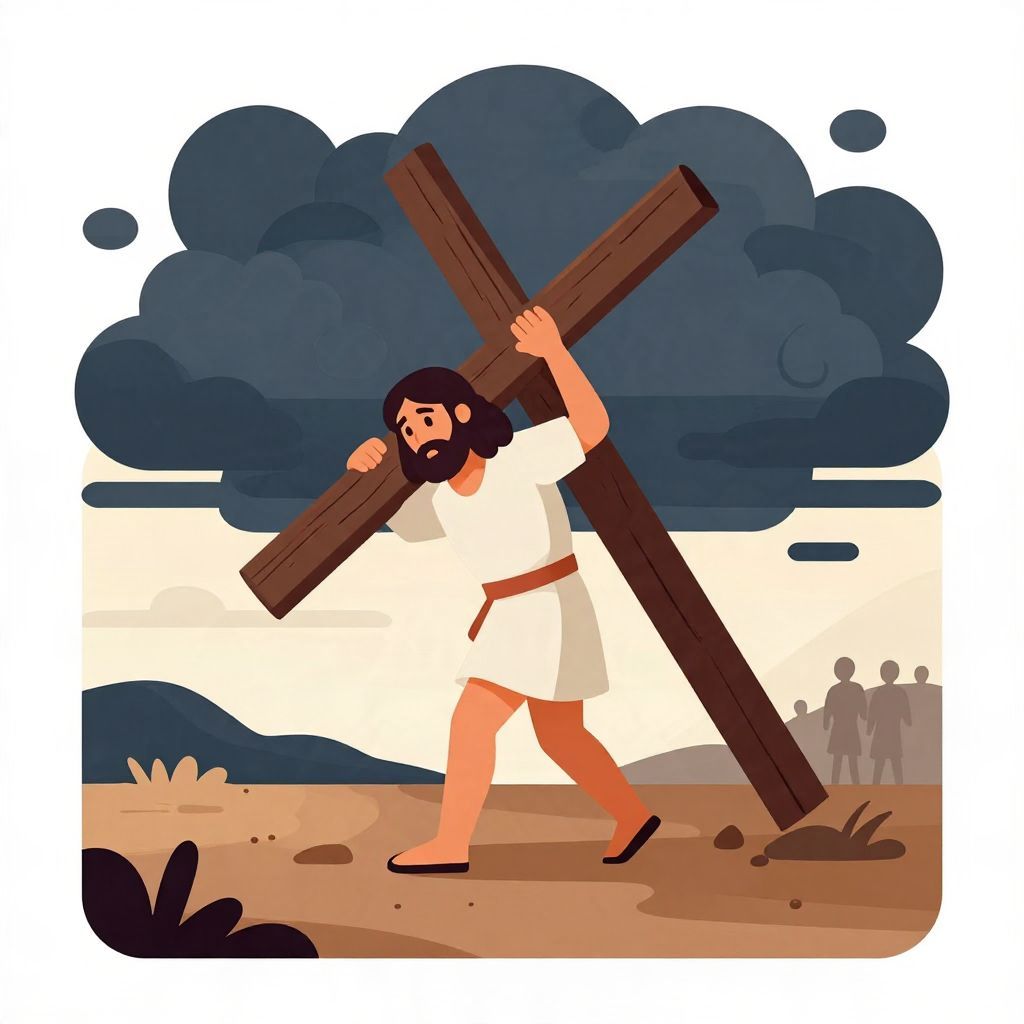
Have you ever considered the weight of the cross Jesus carried? This moment is not just a historical fact; it represents the profound depth of Christ’s suffering and love. Understanding how far Jesus carried the cross reveals not only the physical journey but also the spiritual significance behind it.
This article explores the distance Jesus traveled with the cross, the implications of that journey, and what it teaches us today about sacrifice, obedience, and love. The truth rooted in Scripture provides insight that transforms our understanding of this pivotal event in Christian history.
How Far Did Jesus Carry The Cross?
Jesus carried His cross from the place of His condemnation, Pilate’s hall, to Golgotha, the site of His crucifixion. This journey covered approximately 650 meters (about 0.4 miles), enduring immense weight both physically and spiritually.
The Context of the Cross
To fully grasp this journey, it’s essential to appreciate the circumstances surrounding it. Jesus faced judgment from the Roman authorities and spiritual leaders alike. After being scourged and mocked, He bore the cross as a symbol of shame and suffering.
John 19:17 states, “Carrying his own cross, he went out to the place of the Skull (which in Aramaic is called Golgotha).” This verse highlights Jesus’ resolve to carry the burden placed upon Him despite the challenges and pain he experienced.
The Weight of the Cross
The physical weight of the cross itself is often a discussion point. Historical sources suggest that the cross could weigh anywhere from 50 to 100 pounds, which adds to the physical strain on Jesus’ body after enduring brutal flesh wounds from scourging.
Weight relates not just to physical endurance; it also symbolizes the emotional and spiritual burden Jesus bore. In Matthew 26:38, He confesses to His disciples, “My soul is overwhelmed with sorrow to the point of death.” This statement reveals the depth of His anguish as He carried the cross towards His crucifixion.
The Journey’s Significance
Every step Jesus took carried profound meaning. He didn’t waver from His path even when faced with fatigue and scorn. Each moment clarified His commitment to fulfill God’s plan for humanity’s redemption.
The journey to Golgotha illustrates the concept of sacrificial love, reflecting John 15:13, “Greater love has no one than this: to lay down one’s life for one’s friends.” Jesus exemplified this love on the very road leading to His crucifixion.
What It Means for Us
Reflecting on how far Jesus carried the cross poses critical questions for our spiritual walk. What does this sacrifice demand of us? How does it guide our understanding of suffering and service in our own lives?
Jesus’ determination to endure tremendous hardship encourages believers to shoulder their own burdens. Galatians 6:2 reminds us, “Carry each other’s burdens, and in this way you will fulfill the law of Christ.” Emulating His love and sacrifice invites us into deeper connections with those around us.
The Prophecies Fulfilled
The journey of Jesus carrying the cross also ties into Old Testament prophecies. Isaiah 53:5 proclaims, “But he was pierced for our transgressions, he was crushed for our iniquities.” This prophetic view speaks to the intense suffering Jesus underwent long before the events unfolded.
As each step drew Him closer to Golgotha, Jesus embodied Isaiah’s words. His actions fufilled God’s promise, illustrating His role as the suffering servant who bore humanity’s sins.
Understanding Prophecy in Context
The prophecies surrounding Jesus’ crucifixion are not mere theological points; they serve to affirm His identity as the Messiah. Each step taken towards Golgotha reveals God’s sovereign plan at work.
In Psalm 22, David’s lamentation echoes the events of Good Friday, including the ridicule Jesus faced. This helps ground our understanding: Jesus didn’t unexpectedly encounter suffering; He fulfilled the purpose set before Him. Every moment confirms God’s faithfulness throughout history.
Lessons from the Cross
Every believer can grasp essential truths from the cross-carrying journey undertaken by Jesus. Various lessons emerge when we consider this momentous event.
1. Embrace Suffering as Part of Faith
Life involves challenges and suffering. Through Jesus’ journey, we learn that suffering can be a means of expressing faith. Romans 5:3-4 states, “Not only so, but we also glory in our sufferings, because we know that suffering produces perseverance; perseverance, character; and character, hope.” Jesus teaches us that there is purpose in enduring hardship.
2. Cultivate a Life of Service
Jesus’ commitment to endure hardship inspires us to offer ourselves in service to others. Mark 10:45 reminds, “For even the Son of Man did not come to be served, but to serve.” Carrying the cross demonstrates a willingness to be of service, even when it comes at a cost.
3. Live with Perspective on Eternity
Jesus viewed His suffering through the lens of eternal significance. He endured the pain of the cross to secure salvation for humanity. Colossians 3:2 encourages us, “Set your minds on things that are above, not on things that are on the earth.” Keeping an eternal perspective helps us approach daily trials with hope.
The Role of Simon of Cyrene
In Luke 23:26, we learn of Simon of Cyrene, who was compelled to help Jesus carry the cross. This moment shows the importance of community support in our struggles. Jesus didn’t carry the burden alone; He accepted assistance.
Simon’s involvement raises reflections on how Christians can support each other. Are we willing to step in for others when their burdens seem too heavy? Helping one another unfolds the true essence of the body of Christ.
The Importance of Sharing Our Burdens
Sharing burdens amplifies the grace of God within a community. Galatians 6:2 reminds believers to bear one another’s burdens. This act not only builds our resolve but also reinforces faith in God’s provision.
Finding Strength in Jesus
The journey of Jesus carrying the cross invites individuals to seek strength in Him. Philippians 4:13 declares, “I can do all this through him who gives me strength.” Reliance on Jesus empowers believers to face challenges greater than their capabilities.
Christ’s perseverance through pain provides a template for our approach to hardship. Leaning into Jesus allows His strength to supplement our weaknesses as we navigate life’s challenges.
Prayer for Strength Amid Struggles
Finding strength through prayer is vital. Believers can turn to God, seeking courage and resilience. A simple prayer could be: “Lord, in my weakness, I draw near to You. Please grant me strength to overcome the burdens I face.” This connection fosters personal reliance on God.
Reflect on the Cross Today
Engaging actively with the truths surrounding Jesus’ journey encourages believers to live in light of the cross. Consider questions such as: What does the cross mean for your life? How can you carry your own cross in service of others?
The act of remembrance involves more than a historical reflection. It calls individuals to live out the results of Christ’s sacrifice. Embrace the challenge to carry your cross daily.
Practical Steps in Reflection
Here are some practical steps to help incorporate the message of the cross into daily life:
- Spend time in prayer, asking the Holy Spirit for guidance on how to carry burdens effectively.
- Engage in community service or outreach to support those facing hardship.
- Create moments of reflection through Scripture reading, focusing on the crucifixion narratives.
- Gather with fellow believers for discussions about the implications of the cross.
Conclusion: The Cross Calls Us Forth
In understanding how far Jesus carried the cross, we enter into a deeper appreciation for His love and sacrifice. Every stride toward Golgotha illustrates a profound commitment to redeeming humanity.
This journey prompts believers to consider how they respond to Jesus’ love. Will you take up your cross and follow Him? Reflect on your relationship with Christ and seek ways to embody His sacrificial love in the world around you.
As the journey doesn’t end here, consider exploring more faith-based topics and articles. You may find helpful resources such as a prayer for Good Friday and a prayer for Lent to deepen your spiritual life.