
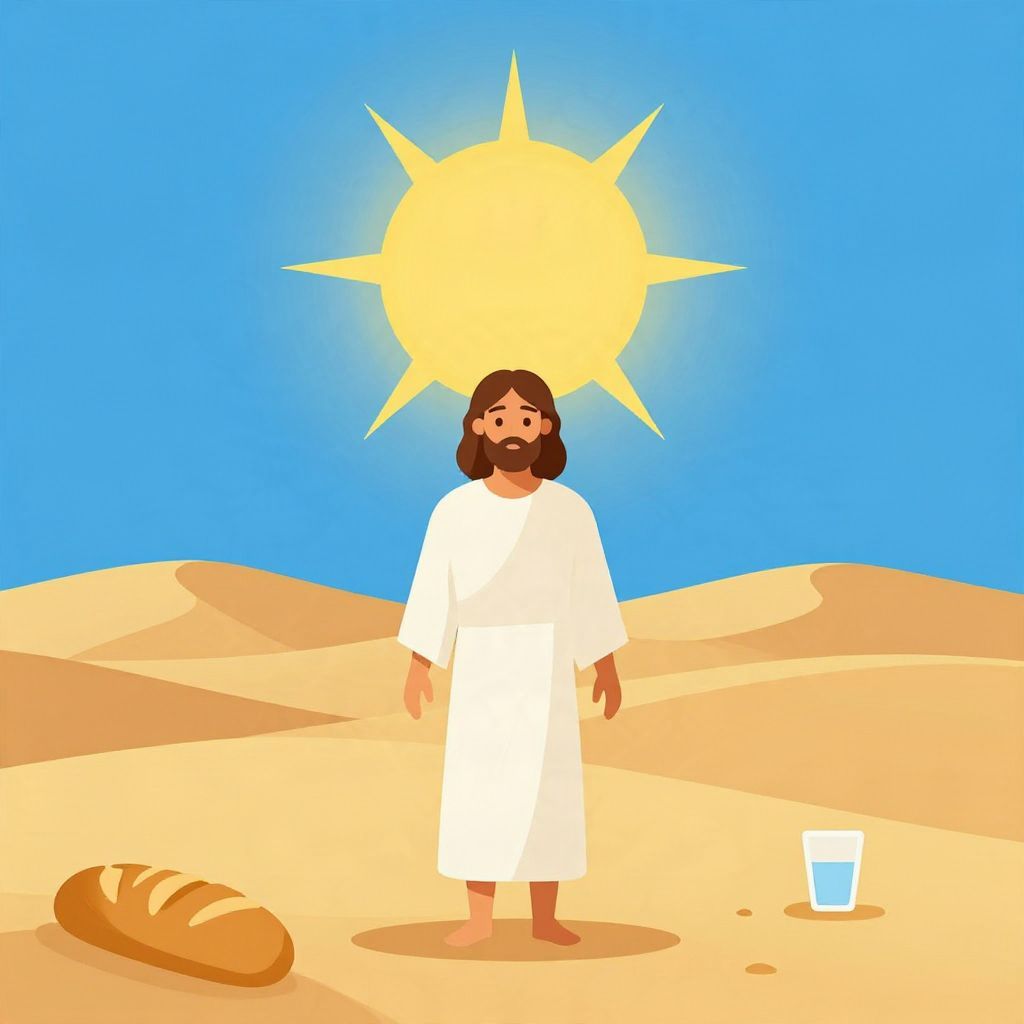
Have you ever wondered about the significance of fasting in your spiritual life? Fasting can feel daunting, yet it holds profound meaning in the Christian faith. One of the most profound examples of fasting is found in the life of Jesus, who fasted for 40 days and 40 nights in the wilderness. This article explores the implications of this fast and how it can inform our own spiritual journeys.
Jesus’ fast is recorded in the Gospels of Matthew, Mark, and Luke and serves as a powerful example of spiritual discipline and reliance on God. The reasons for this fast, the dynamics involved, and what it teaches us matter greatly for our own lives as believers.
How Long Did Jesus Fast For?
Jesus fasted for a total of 40 days and 40 nights. During this time, He abstained from food in the wilderness as He prepared for His public ministry, seeking communion with God and strengthening His spirit.
The Biblical Record of the Fast
The accounts of Jesus’ fast can be found primarily in Matthew 4:1-11, Mark 1:12-13, and Luke 4:1-13. Each Gospel provides perspectives on this important event that shaped Christ’s ministry.
Matthew 4:1-2 details how Jesus was led by the Spirit into the wilderness to be tempted by the devil. After fasting for 40 days, He was hungry. This description emphasizes the physical struggle that comes with prolonged fasting, reminding us that Jesus experienced genuine human vulnerability.
Mark’s account mentions that Jesus was in the wilderness for 40 days, being tempted. Luke’s account also highlights the intense trials faced during this time, ultimately leading to a confrontation with Satan. All three passages underline the significance of fasting and prayer in moments of spiritual preparation.
The Significance of the 40 Days
The 40 days in Scripture often symbolize a time of trial, testing, and preparation. The Israelites wandered in the desert for 40 years, and Moses fasted for 40 days on Mount Sinai (Exodus 24:18). Fasting serves as an important discipline to draw nearer to God.
Consider what it means when we fast. It expresses our earnestness in prayer and devotion to God. In Jesus’ case, it was an opportunity to focus completely on His mission and relationship with the Father.
What Jesus’ Fast Teaches Us
Jesus’ fast provides rich lessons for our spiritual lives. Understanding the purpose of His fast can inspire our approach to fasting today.
1. The Importance of Preparation
Fasting often precedes significant spiritual endeavors. Just as Jesus prepared for His ministry, we should also prepare our hearts through prayer and fasting before entering into critical seasons in our lives. This preparation may include self-examination and determination to align with God’s will.
What areas of your life might God be calling you to prepare through fasting and prayer?
2. The Call to Depend on God
When He faced temptation, Jesus relied completely on the Word of God. In Matthew 4:4, He responded, “Man shall not live on bread alone, but on every word that comes from the mouth of God.” This illustrates that spiritual food is as vital as physical sustenance.
In your moments of temptation or challenge, where do you turn for strength? Fasting can help shift our focus from worldly dependencies to relying fully on God.
3. Understanding Spiritual Warfare
Jesus’ fast sets the stage for His ministry and the spiritual battles He would encounter. The devil offered Him temptations during His vulnerability, a reminder that our greatest struggles may arise when we seek to deepen our walk with God.
Does fasting reveal any areas of spiritual warfare in your life? Engaging in this discipline can often illuminate personal battles, encouraging us to seek victory through Christ.
Practical Steps for Fasting
While Jesus’ fast set a remarkable standard, you may wonder how to begin your own fasting journey. Below are practical steps that can help you engage meaningfully with this spiritual discipline.
1. Set Your Purpose
Begin by establishing your reason for fasting. Is it to seek clarity, strengthen your prayer life, or draw closer to God? Clearly defining your purpose can guide your fast and help keep you focused.
What specific spiritual breakthroughs are you praying for in your life right now?
2. Choose Your Fast Type
Decide what type of fast you want to undertake. Options include:
– A complete fast ( abstaining from all food)
– A partial fast (restricting certain foods or meals)
– A Daniel fast (eating only vegetables and water, based on Daniel 1:12)
– A fast from certain activities (like social media)
Consider your physical health and spiritual goals when choosing the type of fast that works best for you.
3. Prepare Your Heart and Body
Before starting, spend time in prayer and Scripture. Prepare your heart by examining any potential obstacles you may face. Take note of your physical health and consult with a healthcare provider if needed.
Are there emotional or spiritual hurdles that may hinder your fast? Preparing mentally can make a significant difference.
4. Engage in Prayer and Reflection
During your fast, prioritize prayer and reflection. Use this time to deepen your relationship with God. Write down insights that come during your fast; they can serve you well later.
What Scripture verses resonate with you during your fasting season? Meditating on these truths can strengthen your faith.
5. Conclude with Gratitude
As you end your fast, take time to thank God for the experience. Reflect on what you learned and how He moved in your heart. This feedback nourishes your spiritual growth and prepares you for future endeavors.
How can you celebrate the journey and thank God for the changes He has made in your life?
The Transformative Power of Fasting
Fasting bears fruit that extends beyond the period of abstaining from food. It cultivates deeper communion with God and prioritizes spiritual realities over earthly needs.
Isaiah 58 offers profound insights about true fasting. It illustrates that fasting should lead to acts of mercy and justice. If our fasting does not result in love for others, we miss the heart of the discipline.
Question yourself: Does my fasting lead me to an outpouring of love toward others? Transformation in our hearts naturally results in transformation in how we treat those around us.
Fasting During Lent
Many believers across the globe fast during Lent, the 40-day period leading up to Easter. This tradition often mirrors Jesus’ fast. During Lent, Christians engage in self-denial and prayer, seeking to grow closer to God.
If you’re considering fasting during Lent, check out this prayer for Lent to guide your reflections.
A Call to Action
As the example of Jesus inspires your heart, consider taking a step toward a deeper relationship with God through fasting. Embrace this opportunity to express your dependence on Him and prepare your heart for whatever lies ahead.
Spend time in prayer, begin to fast, and see how God meets you in your hunger. Let that yearning lead you closer to His heart. Jesus reminds us in Matthew 6:16-18 that fasting should be private. Engage in this spiritual discipline with sincerity and joy, not for the eyes of others.
Jesus fasted because He was serious about His ministry. Let your fast reflect your commitment to following Him wholeheartedly.
If you’re looking to deepen your faith and explore more about prayer, you can find helpful resources such as this prayer for fasting to support you in your journey.
In summary, Jesus’ 40-day fast reveals the depth and significance of spiritual preparation, reliance on God’s Word, and the importance of engaging in battle against temptation. Following His example, believers today can cultivate deeper communion with the Father through fasting.