
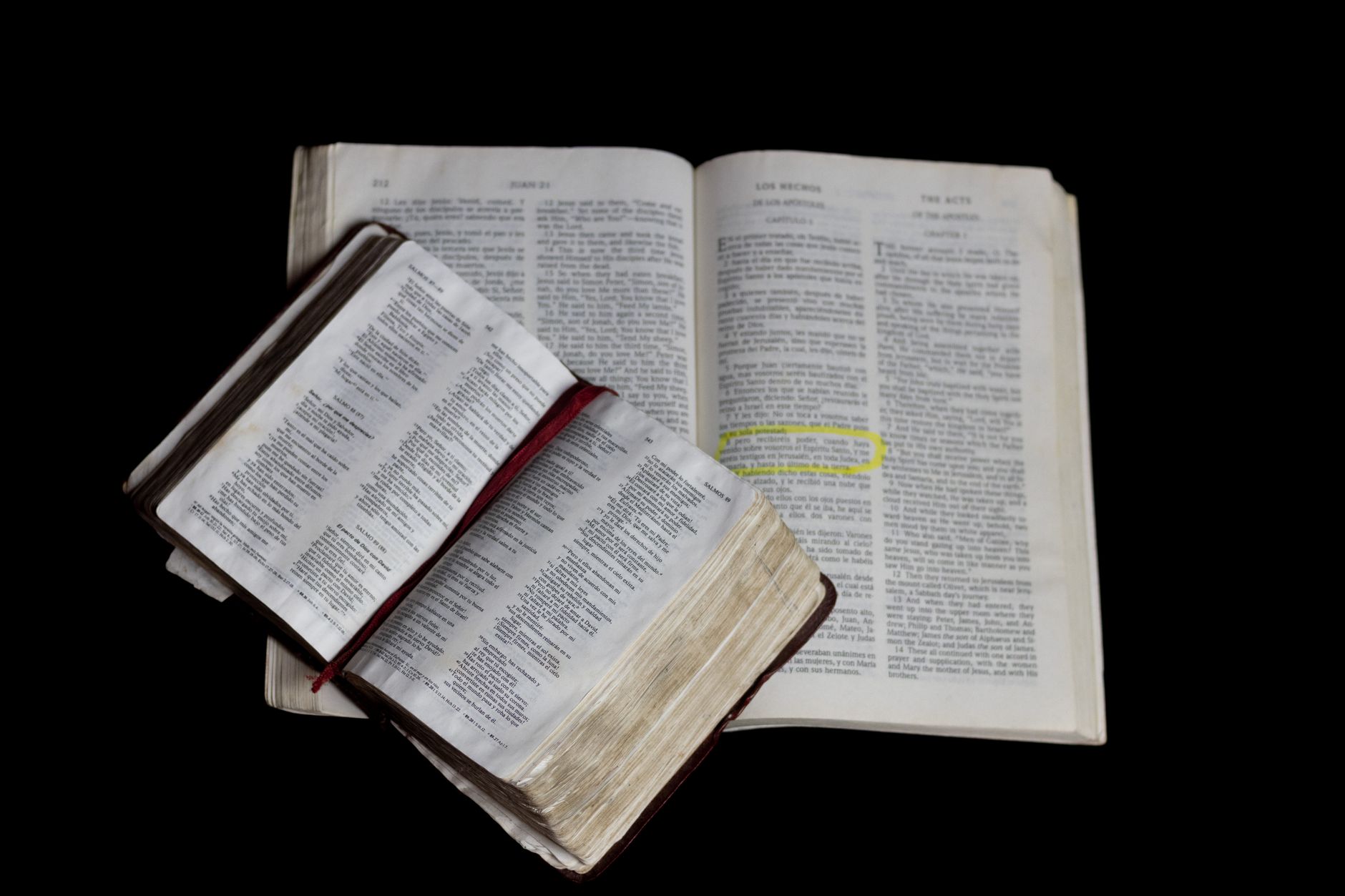
The Bible is one of the most significant texts in human history, revered by millions worldwide as a sacred scripture. Understanding its structure, specifically the number of chapters, can enhance one’s approach to reading and studying its teachings. In this article, we will explore the total number of chapters found in the Bible, along with a comprehensive breakdown of their distribution across the various books.
Comprising diverse genres, the Bible includes historical narratives, poetry, prophesies, and teachings, each containing its chapters that contribute to the overarching message. Whether you’re a long-time reader or new to the scripture, knowing how many chapters are in the Bible will offer insight into its organizational framework and facilitate deeper engagement with its content.
How Many Chapters Are in the Bible?
The Bible consists of a total of 1,189 chapters across the Old and New Testaments. This number can vary slightly depending on the version of the Bible; however, the standard count remains relatively consistent among most Christian denominations. The Old Testament contains 929 chapters, while the New Testament has 260 chapters, illustrating the divisions and unique content within each section.
Overview of the Chapters in the Old Testament
The Old Testament is rich in history, law, prophecy, and poetry, and is divided into several categories, each containing a distinct number of chapters. Below is a breakdown of the chapters in each book of the Old Testament:
| Book | Chapters |
|---|---|
| Genesis | 50 |
| Exodus | 40 |
| Leviticus | 27 |
| Numbers | 36 |
| Deuteronomy | 34 |
| Joshua | 24 |
| Judges | 21 |
| Ruth | 4 |
| 1 Samuel | 31 |
| 2 Samuel | 24 |
| 1 Kings | 22 |
| 2 Kings | 25 |
| 1 Chronicles | 29 |
| 2 Chronicles | 36 |
| Ezra | 10 |
| Nehemiah | 13 |
| Esther | 10 |
| Job | 42 |
| Psalms | 150 |
| Proverbs | 31 |
| Ecclesiastes | 12 |
| Song of Solomon | 8 |
| Isaiah | 66 |
| Jeremiah | 52 |
| Lamentations | 5 |
| Ezekiel | 48 |
| Daniel | 12 |
| Hosea | 14 |
| Joel | 3 |
| Amos | 9 |
| Obadiah | 1 |
| Jonah | 4 |
| Micah | 7 |
| Nahem | 3 |
| Habakkuk | 3 |
| Zephaniah | 3 |
| Haggai | 2 |
| Zechariah | 14 |
| Malachi | 4 |
In summary, the Old Testament has a total of 929 chapters. Each book contributes to the overall narrative and thematic continuity of the scripture, reflecting the rich tapestry of faith, history, and moral teachings.
Overview of the Chapters in the New Testament
The New Testament is centered around the life and teachings of Jesus Christ and the early Church. It is composed of various writings, including Gospels, letters (Epistles), and Revelation. Below is a breakdown of the chapters in each book of the New Testament:
| Book | Chapters |
|---|---|
| Matthew | 28 |
| Mark | 16 |
| Luke | 24 |
| John | 21 |
| Acts | 28 |
| Romans | 16 |
| 1 Corinthians | 16 |
| 2 Corinthians | 13 |
| Galatians | 6 |
| Ephesians | 6 |
| Philippians | 4 |
| Colossians | 4 |
| 1 Thessalonians | 5 |
| 2 Thessalonians | 3 |
| 1 Timothy | 6 |
| 2 Timothy | 4 |
| Titus | 3 |
| Philemon | 1 |
| Hebrews | 13 |
| James | 5 |
| 1 Peter | 5 |
| 2 Peter | 3 |
| 1 John | 5 |
| 2 John | 1 |
| 3 John | 1 |
| Jude | 1 |
| Revelation | 22 |
The New Testament has a total of 260 chapters. Each of these chapters is crucial for understanding the message of Christ and the teachings of the Apostles, reflecting the formation of early Christian communities and their challenges.
Significance of Chapters in the Bible
The chapter divisions found in the Bible are not part of the original manuscripts. They were introduced later to aid in navigation and study. Knowing the chapter layout helps readers find specific passages more conveniently. These divisions facilitate memorization and reference, allowing individuals to engage with the scripture more effectively.
In many faith traditions, each chapter is perceived as embodying significant teachings that are worthy of meditation and reflection. Here are a few practical exercises for engaging with biblical chapters:
- Daily Reading: Select a chapter each day to read slowly and thoughtfully. Reflect on its meaning and consider how it applies to your life.
- Memorization: Choose a verse or a specific passage from a chapter to commit to memory. This can be a source of strength and guidance during challenging times.
- Discussion Groups: Participate in or form a Bible study group where each member shares insights from different chapters, fostering communal learning and understanding.
- Prayerful Reflection: After reading a chapter, take a moment to pray or meditate on what you’ve read. Ask for guidance in understanding and applying its lessons.
Conclusion
The Bible’s 1,189 chapters are not merely divisions but integral components that facilitate deeper understanding and engagement with its profound teachings. By exploring each chapter, readers can uncover the spiritual depth and historical context of this sacred text, enriching their spiritual journey.
As you explore the Bible, consider focusing on the chapter structure and how it can influence your reading experience. Reflect on specific chapters, their themes, and their relevance in your life. Engaging with scripture in this way can lead to spiritual growth and a more profound understanding of faith.
If you’re interested in learning more about the Bible, you might find these articles helpful: Why Is the Bible Called the Bible? and How to Read and Understand the Bible.