
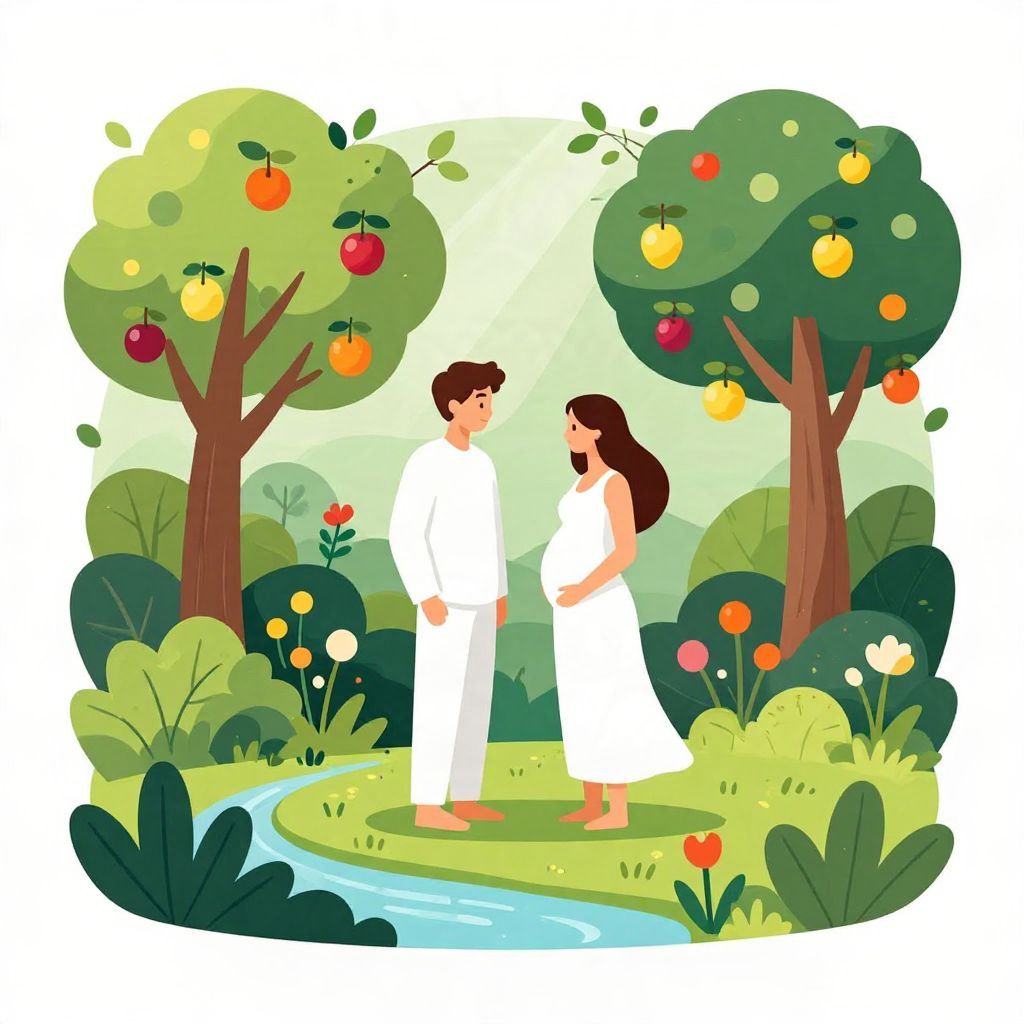
Have you ever wondered about the origins of humanity and the family life of the first couple? Exploring how many children Adam and Eve had not only satisfies curiosity but opens up deeper questions about God’s design for family and human relationships. The book of Genesis provides insights into their life, and understanding this can enrich our faith and understanding of God’s intentions for us.
This article will explore the number of children Adam and Eve had, what Scripture reveals about their family, and the spiritual significance of these early familial relationships. This inquiry will help illuminate how families fit into God’s plan throughout history.
How Many Kids Did Adam And Eve Have?
Adam and Eve had at least three named children: Cain, Abel, and Seth. However, the Bible indicates that they had other sons and daughters whose names are not recorded. Genesis 5:4 mentions, “After Seth was born, Adam lived 800 years and had other sons and daughters.” This suggests that their family was quite large, but specific details about the total number remain unspecified.
The Biblical Accounts of Their Children
The primary focus in the Scriptures is on Cain, Abel, and Seth. Cain becomes known for his tragic act of murder against his brother Abel. This incident raises questions about human nature and sin’s impact on relationships. Genesis 4:8 tells the grim story of Cain’s jealousy and anger, showing how sin can destroy familial bonds.
After Abel’s death, God granted Adam and Eve another son, Seth, through whom the righteous lineage continued. Genesis 4:25 states, “Adam knew his wife again, and she bore a son and named him Seth, for she said, ‘God has appointed for me another offspring instead of Abel, for Cain killed him.'” Seth represents hope and restoration in the family line.
The mention of “other sons and daughters” in Genesis 5:4 emphasizes that Adam and Eve had a significant family that extended beyond those explicitly named in Scripture. This leaves open the possibility of a much larger family, possibly to fulfill God’s command to be fruitful and multiply.
Understanding Genesis 1:28
In Genesis 1:28, God commands Adam and Eve, “Be fruitful and multiply and fill the earth and subdue it.” This command highlights God’s intention for humanity to grow and thrive as a community. The command reveals God’s desire for family to be fundamental to societal structure.
How does this command influence our understanding of family today? God calls us not only to physical multiplication but to nurturing relationships that reflect His love. Each child represents another opportunity to express and teach God’s ways.
The Spiritual Significance of Their Family
The story of Adam and Eve’s children teaches critical lessons about God’s grace and human frailty. Cain and Abel’s rivalry exemplifies the potential for sin in human relationships. Yet, Seth’s birth represents God’s mercy and continued blessing despite human failure.
Each generation after Adam and Eve played a role in God’s overarching plan for redemption, showing that families are part of His divine narrative. How can we see our families as part of this narrative today? Are we nurturing their growth both physically and spiritually?
The Role of Family in Genesis
Family plays a significant role in the unfolding story of Genesis. The genealogies that follow Adam and Eve establish connections between individuals and generations, showcasing God’s faithfulness. Genesis 4 and 5 present contrasting lineages — the descendants of Cain who become infamous for their wickedness and the descendants of Seth who are acknowledged for their righteousness.
The Contrast Between Cain and Seth
The lineage of Cain introduces both human innovation and moral decay. Cain’s descendants are known for their accomplishments, such as building cities and creating musical instruments. Yet, they embody a legacy of violence and rebellion against God.
On the other hand, Seth’s descendants focus on invoking the name of the Lord (Genesis 4:26). This highlights a different approach to human development: one centered around God rather than self-glorification. Reflect on how contemporary family life can mirror either of these lineages. Are we focusing on earthly achievements or seeking to honor God in our families?
The Growth of Humanity After Adam and Eve
In Genesis 6:1-2, we see humanity beginning to multiply. “When human beings began to increase in number on the earth and daughters were born to them, the sons of God saw that the daughters of humans were beautiful, and they married any of them they chose.” The emphasis on growth demonstrates God’s command being fulfilled. Families sprouted, and humanity spread across the earth.
This expansion, however, does not come without challenges. Genesis 6:5 states, “The Lord saw how great the wickedness of the human race had become.” The blessings of progeny also resulted in widespread sin. This dichotomy presents a struggle within humanity: growth in numbers alongside a decline in morality.
God’s Response to Human Growth
God’s ultimate response to the wickedness of humanity was the flood, as described in Genesis 6-9. Only Noah and his family were saved. This illustrates a moment of divine judgment coupled with mercy. It highlights the importance of righteousness within families.
As we reflect on the early human family dynamics, what can we learn about the significance of righteousness in our family unit? How can we advocate for a godly legacy in our own households?
Lessons We Learn About Family from Adam and Eve
Examining Adam and Eve’s family teaches timeless principles vital for family life today. First, families are a divine design and meant for community and support. This framework reflects God’s nature; families should cultivate love, acceptance, and guidance.
Secondly, the narrative warns of the destructive power of sin. Cain and Abel’s story shows how jealousy can destroy relationships. Encouraging honesty and open communication in family life can mitigate these dangers. How do you foster open dialogue in your family?
God’s Grace in Our Families
The birth of Seth after Abel’s tragic death reveals God’s grace operating in a broken world. It shows that despite the mistakes made, restoration is always possible. Families today can find hope in this truth; no matter the challenges faced, God’s grace is available for healing.
Furthermore, this family dynamic invites us to break negative cycles. Whether it comes from discord, violence, or neglect, families have the opportunity to redefine their trajectories through God’s guidance.
Creating a God-Honoring Family
The family structure God ordained consists of roles that reflect His character. Fathers and mothers carry the responsibility of leading their families spiritually. Ephesians 6:4 instructs fathers to bring children up in the training and instruction of the Lord. How does your family contribute to pointing each member towards Christ?
Spiritual growth should be a priority. Establishing times for prayer, Bible study, and discussions about faith can enhance relationships. Communities formed around shared faith become strong disciples of Jesus. How can you cultivate such spaces in your home and among loved ones?
Prayer as a Foundation
Praying together is a practical step toward God-honoring family dynamics. Prayer acknowledges dependence on God and invites His presence into family life. It can bind family members together in love and purpose.
Consider adopting a routine that emphasizes prayer, seeking God’s wisdom for challenges faced as families navigate life together. Would a weekly family prayer time strengthen your household connection?
Conclusion
In summary, Adam and Eve’s family composed of at least three recognized children underlines God’s design for community and family growth. The complexities of their family life highlight both the beauty and the challenges inherent within family dynamics. Each generation’s legacy can either reflect God’s grace or fall prey to sin’s destructive power.
Ultimately, nurturing a family that honors God brings forth the potential for restoration and love. Look for ways to foster a home that encourages spiritual growth and reflects God’s character. As families continue to grow in number and faith, they align more closely with God’s purpose for creation.
Explore more faith-based topics and articles on our platform. You might find encouragement through a prayer for my children or resources that equip you with prayers for children. Let’s continue to seek God together in every aspect of our lives.