
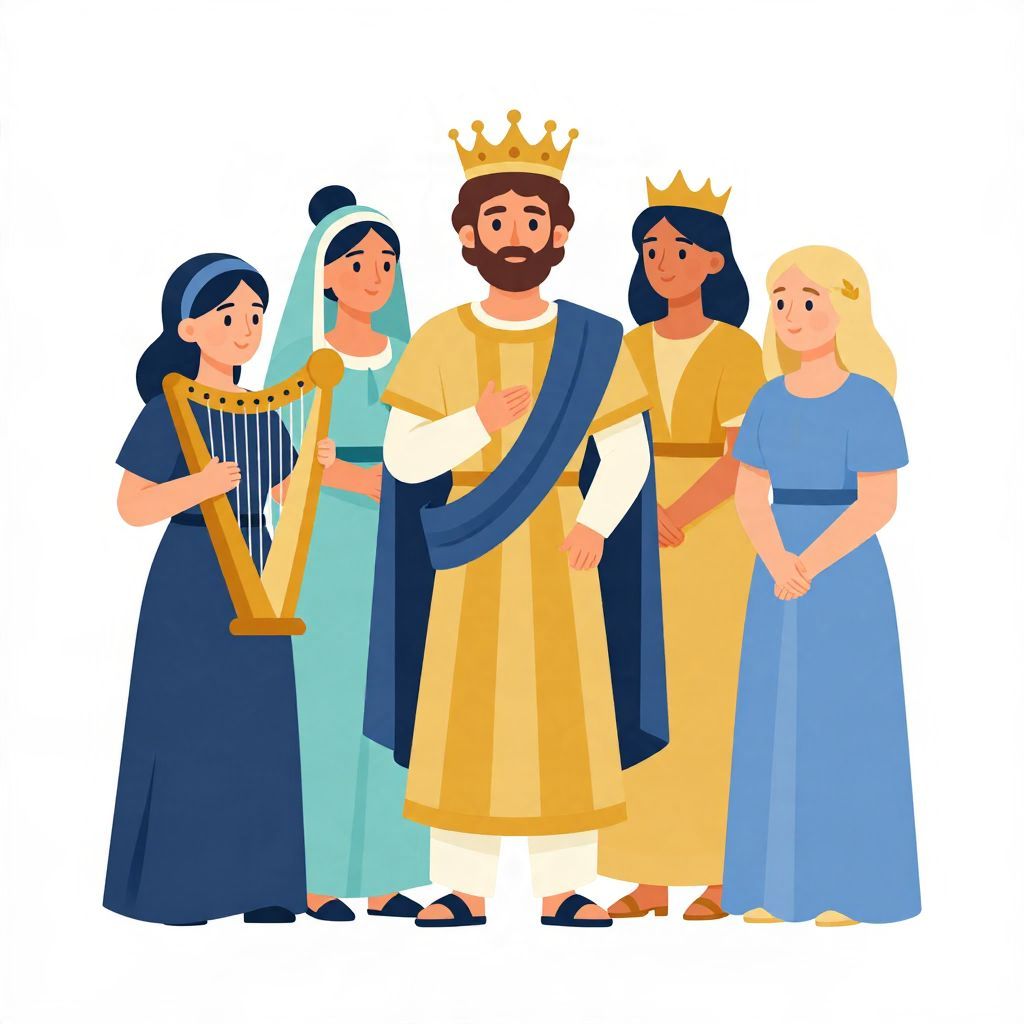
Have you ever questioned the values and decisions of Bible characters like King David? Our world often grapples with complex issues of morality and relationships, and examining David’s life offers a unique lens into God’s expectations and grace. Understanding how many wives David had reveals significant truths about human nature, God’s covenant, and the call to obedience.
This article will explore the marital life of King David, unpacking how many wives he had and the implications of those relationships as seen through Scripture. We will also discuss what this means for our understanding of faithfulness, sin, and redemption.
How Many Wives Did King David Have?
King David had a total of eight named wives recorded in the Bible. Among them, Michal, Abigail, and Bathsheba are the most prominent. These relationships illustrate not only the complexities of David’s life but also the consequences of his actions toward God and his family.
The Notable Wives of David
- Michal: She was the daughter of King Saul and became David’s first wife. Their relationship is marked by both love and conflict.
- Abigail: Widowed after the death of her husband Nabal, she displayed wisdom and strength, ultimately becoming David’s wife.
- Bathsheba: Perhaps the most well-known of David’s wives, her story carries deep consequences of sin and grace.
- Ahinoam: She is mentioned as one of David’s wives during his reign while he was in Hebron.
- Maacah: She was the daughter of Talmai, the king of Geshur, and bore David several children.
- Haggith: Another wife who bore Absalom, one of David’s sons.
- Abital: A lesser-known wife, she also contributed to David’s lineage.
- Eglah: The eighth wife mentioned in the Scriptures.
David’s multiple marriages highlight a reality that, while culturally accepted in ancient times, often led to jealousy, conflict, and division within his household. Are there modern lessons we can apply to our own lives regarding the importance of commitment and fidelity?
The Cultural Context of David’s Marriages
Understanding the culture of ancient Israel provides context for David’s many marriages. In that era, polygamy was relatively common, often used to forge alliances and strengthen political ties. David’s marriages, including those to Saul’s daughter and foreign women, reflect the social norms and survival strategies of his time.
Yet, God’s design for marriage, as seen in Genesis 2:24, indicates that one man and one woman form the basis of a healthy relationship. Why did David veer from this divine model? Human choices often lead us astray from God’s intention. How do we navigate choices in our own lives that conflict with biblical principles?
The Consequences of David’s Choices
King David faced many challenges and hardships as a result of his marital decisions. His life illustrates the consequences of straying from God’s ideal plan. Tensions escalated between his wives, leading to family strife: think of the clear conflict between Michal and Bathsheba.
In addition, David’s relationship with Bathsheba was marred by sin. After committing adultery with her and orchestrating the murder of her husband, Uriah, he reaped severe consequences. Nathan, the prophet, confronted David, showing how sin leads to brokenness not only within us but in our relationships. What broken relationships in your life may require reconciliation?
God’s Grace Amidst Human Failure
Despite David’s flaws, God’s grace shines through. David is referred to as “a man after God’s own heart” (1 Samuel 13:14), not because he was perfect, but because of his sincere repentance and desire to follow God. His psalms express deep worship and yearning for God, underscoring the redemptive aspect of his story.
This concept of grace speaks to us today. No matter how many mistakes we make, God longs for our hearts. Perhaps you, too, have grappled with failure in relationships? Remember that God’s forgiveness is always available if we turn toward Him.
The Importance of Repentance
David’s story teaches the importance of genuine repentance. When Nathan confronted him, David didn’t make excuses; he confessed his sin (Psalm 51). In that vulnerability, God restores us. Are we willing to step into the light and confess our own failures to God and others?
Lessons for Today’s Relationships
David’s life provides timeless truths for our relationships today. While cultural practices have shifted, the struggles of human hearts remain unchanged. Here are a few insights drawn from David’s experiences:
- Commitment matters: God calls us to faithfulness in our relationships.
- Consequences accompany choices: Every decision impacts our lives and the lives of others.
- Repentance restores: A heartfelt return to God can heal brokenness.
- Seek unity: Strive for harmony in relationships, avoiding the pitfalls of jealousy and division.
Which of these lessons resonates most with you right now? How can you apply them to your own relationships?
The Hope Found in God
Ultimately, King David’s legacy teaches us about the complexities of human character, divine forgiveness, and the hope of redemption. The Bible does not gloss over David’s failures; it illuminates them, showing God’s work through an imperfect individual. We serve a God who is well-acquainted with human frailty.
As you contemplate David’s story, consider the grace God extends to you. No matter how many mistakes you’ve made in your life, God’s forgiveness is always there for those who turn to Him. Are you ready to embrace His grace and let it transform your life?
Conclusion
King David had eight wives, each reflecting a part of his complex story filled with both triumph and tragedy. His life illustrates the importance of adhering to God’s design for relationships. As we look at our own lives, we are reminded that we can find hope and redemption through repentance and God’s grace.
Seek God’s guidance in your relationships and embrace the opportunity for restoration. Perhaps you need to reach out to someone and reconcile, or maybe you should spend a moment in quiet reflection and prayer asking for God’s forgiveness. Remember, every act of humility invites God’s presence into our lives.
As you continue exploring your faith journey, consider looking into more faith-based topics and articles. Discover profound insights about the importance of relationships through prayers for relationship restoration or gain understanding on how to mend a marriage with prayers for marriage restoration.