
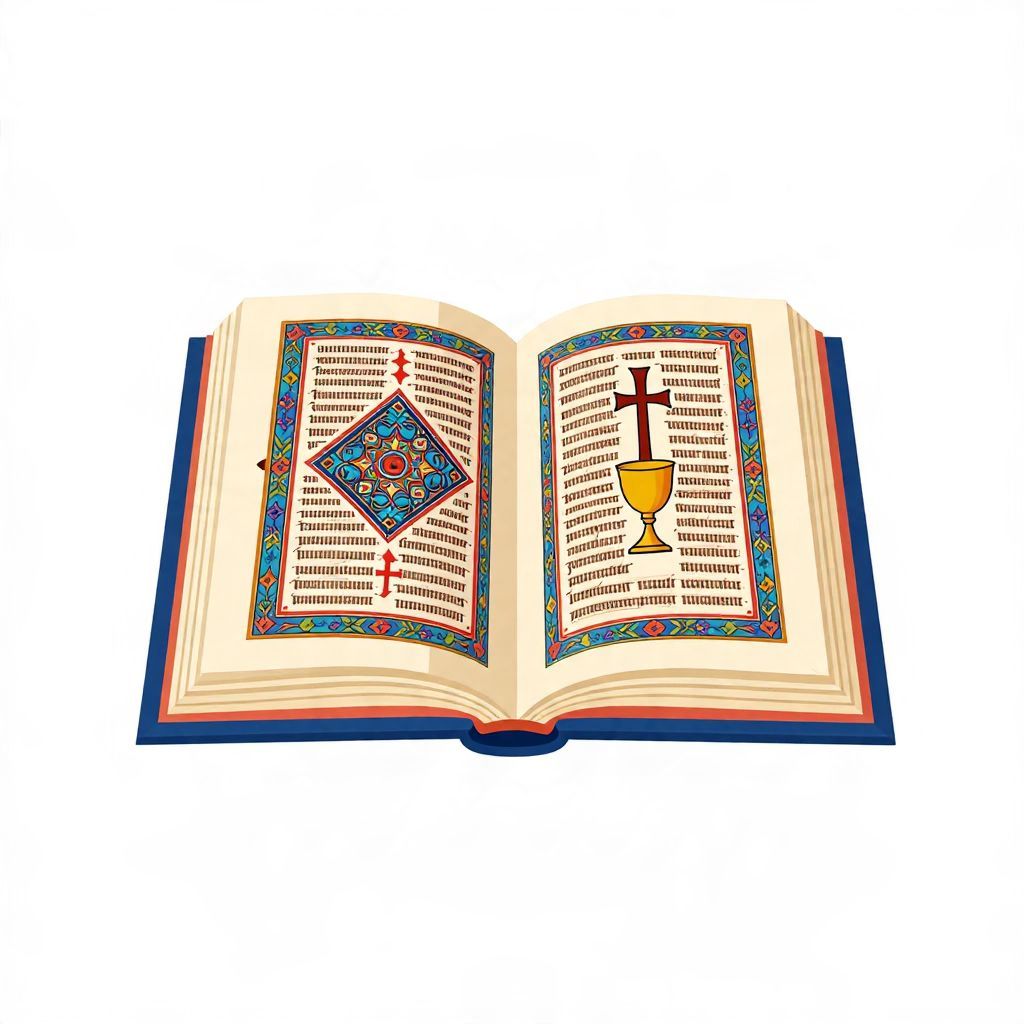
Have you ever gazed upon the intricate beauty of an illuminated manuscript and pondered its origins? These stunning works of art are not just visually captivating; they hold deep spiritual significance. Illuminated manuscripts have historically been created and used primarily by two religious faiths: Christianity and Islam. Understanding their origins and meanings reveals much about how faith and art can intertwine.
This article explores the historical contexts, uses, and spiritual implications of illuminated manuscripts within these two faiths. By grounding ourselves in Scripture and the larger story of God’s redemptive work, we can appreciate how these manuscripts serve as vessels of divine truth and beauty.
Illuminated Manuscripts Have Historically Been Created And Used By Which Two Religious Faiths??
Illuminated manuscripts have historically been created and used primarily by Christianity and Islam. Both traditions employed elaborate artistry and decoration in their texts to convey sacred ideas and enhance spirituality, weaving together theological concepts and cultural identity.
The Role of Illuminated Manuscripts in Christianity
Christian illuminated manuscripts emerged primarily in the medieval period. Monasteries became centers for manuscript production. The Scriptural texts served not only as a record of divine revelation but also as objects of worship themselves.
Illuminated manuscripts played several crucial roles:
- They enhanced the liturgy, serving as visual aids during worship services.
- They were used for personal devotion and study, allowing believers to mediate on biblical truths.
- They preserved theological teachings and church history, acting as essential educational tools.
A Closer Look at Christian Illuminated Manuscripts
One of the most famous examples of Christian illuminated manuscripts is the Book of Kells. Created around the year 800 AD, this manuscript showcases intricate artwork and lettering. It was made by Celtic monks and contains the four Gospels. Examination reveals not only artistic prowess but also a celebration of God’s Word.
The artistry in illuminated manuscripts often draws from Scripture itself. 1 Chronicles 28:19 reminds us, “All this,” David said, “I have in writing as a result of the Lord’s hand on me, and he enabled me to understand all the details of the plan.” This echoes the reverence that children of God have held toward His Word and the desire to embellish it.
The Spiritual Significance of Illumination
Christian illuminated manuscripts are more than mere decorations. They embody theological themes of light and truth. John 1:5 states, “The light shines in the darkness, and the darkness has not overcome it.” The use of gold leaf and vivid colors in these manuscripts visually represents the light of Christ breaking into the world.
Reflective questions arise here: How does the beauty of scripture in illuminated form draw us closer to God? What aspects of divine truth resonate with your heart when you encounter these holy texts?
The Craftsmanship Behind Illuminated Manuscripts
The creation of illuminated manuscripts demanded a high level of skill and devotion. Scribes, often monks, painstakingly inscribed the text on vellum or parchment. Each letter was crafted with care, demonstrating a commitment to the sacredness of the words.
Artists then embellished the manuscripts with ornate illustrations and gold leaf. The process involved several steps, including:
- Preparing the animal skins for writing material.
- Using natural pigments to create vibrant colors.
- Meticulously painting illustrations around or within the text.
The Use of Christian Manuscripts in Worship
Churches utilized illuminated manuscripts in various ways. During service, people could visually follow along with readings and teachings. The beauty and artistry of these texts facilitated worship and engagement with sacred truths.
Consider Psalm 119:105, “Your word is a lamp for my feet, a light on my path.” This serves as a reminder that illuminated manuscripts guided believers not only in knowledge but in their spiritual journey.
The Transition to Printing and Its Impact
The invention of the printing press in the 15th century significantly altered the creation and use of manuscripts. While illuminated manuscripts remained valued, printing allowed for the widespread dissemination of texts. Scriptural truths reached wider audiences, moving beyond monastic walls.
This shift led to a broader engagement with the Bible. Access to printed materials can be seen as a fulfillment of God’s mission in Matthew 28:19-20, where Jesus commanded His followers to make disciples of all nations.
The Role of Illuminated Manuscripts in Islam
Just as illuminated manuscripts took form in Christianity, they also flourished in the Islamic tradition. Islamic manuscripts serve to document the Quran, commentaries, and scholarly texts, anchoring their significance in both spiritual and educational realms.
The Importance of Calligraphy in Islamic Manuscripts
Islamic manuscripts are distinguished by their expert calligraphy. The art of calligraphy is essential to Islamic culture. It reflects the belief that the written word possesses sacred qualities.
Surah Al-Qalam 68:1 begins with, “Nun. By the pen and what they inscribe.” This highlights the elevated status of writing and knowledge. Each stroke of the pen is meant to honor the divine revelation encapsulated in the Quran.
Illuminated Manuscripts in Islamic Art
Illuminated manuscripts in Islam were often adorned with intricate geometric patterns. These designs reflect the belief that God is the ultimate creator of beauty, creating a reflection of divine order and harmony.
Minimal illustrations depicting living creatures are found in Islamic art, as the focus remains on the written word. Reflective questions emerge: What does this emphasis on calligraphy teach us about the value of words in our own lives? How can we honor the written Word of God in our daily practice?
Manuscript Production in Islamic Culture
Islamic manuscripts were primarily produced in scribal schools known as *kuttabs*. These institutions focused on training young students in reading, writing, and calligraphy. The careful instruction placed great emphasis on spiritual education.
Skills in manuscript creation were passed down through generations. Students dedicated themselves to mastering the art of both writing and illuminating, reflecting their devotion to God’s Word.
Islamic Manuscripts for Spiritual Engagement
Muslims utilize illuminated manuscripts not just for academic purposes but also for personal devotion. Many homes possess copies of the Quran adorned with beautiful calligraphy, creating spaces of spiritual reflection.
As believers engage with these texts, they find themselves drawn closer to God. As Romans 10:17 reminds us, “Consequently, faith comes from hearing the message, and the message is heard through the word about Christ.”
The Interplay of Faith and Art
Both Christianity and Islam use illuminated manuscripts to bridge the gap between the divine and the earthly. They invite believers into deeper relationship with God through visual and textual beauty.
Each tradition manifests this relationship uniquely. Christian manuscripts often emphasize biblical themes, while Islamic manuscripts celebrate calligraphy and design. Yet, both point toward the ultimate truth of God’s Word.
The Unifying Themes of Illuminated Manuscripts
Despite their differences, illuminated manuscripts from both faiths share several unifying themes:
- The centrality of the written word as a vessel for divine knowledge.
- The use of beauty to inspire worship and reflection.
- The artistry acts as a bridge between God’s truth and human experience.
The Legacy of Illuminated Manuscripts Today
Today, scholars and artists continue to study and create illuminated manuscripts. These works remind us of our rich spiritual heritage. They serve as tactile representations of faith.
We can appreciate their beauty while also understanding their purpose. Illuminated manuscripts connect us to the generations that have come before us, grounding our faith in shared history.
How to Engage with the Heritage
As believers, there are practical ways to honor this rich tradition today:
- Explore local exhibits or visit museums showcasing illuminated manuscripts.
- Incorporate handwritten elements in personal spiritual practices.
- Create a prayer journal that emphasizes scripture, combining text with artistic visual elements.
These steps deepen engagement with Scripture and cultivate appreciation for the beauty of God’s Word.
Conclusion: Embracing the Beauty of God’s Word
Illuminated manuscripts resonate with us deeply. They remind us of the importance of both word and artistry in glorifying God. Each page is a testimony of devotion, intentionality, and the pursuit of truth.
Reflect on the beauty, commitment, and spirituality embodied in these works. Let them inspire you in your own worship and study of God’s Word. Engage with Scripture in whatever form it takes. After all, each encounter with the written word can lead to transformation and closer communion with God.
As you explore these themes further, consider both the Christian and Islamic perspectives. Each rich tradition offers insights into the divine and underscores the shared human experience of seeking the sacred. Take time to appreciate the vivid expressions of faith through illuminated manuscripts.
Explore more faith-based topics and articles to deepen your understanding. You might find insights in a prayer for the deceased Catholic or learn about a prayer for souls in purgatory. May your journey through faith continue to reveal the beauty of God’s truth.