
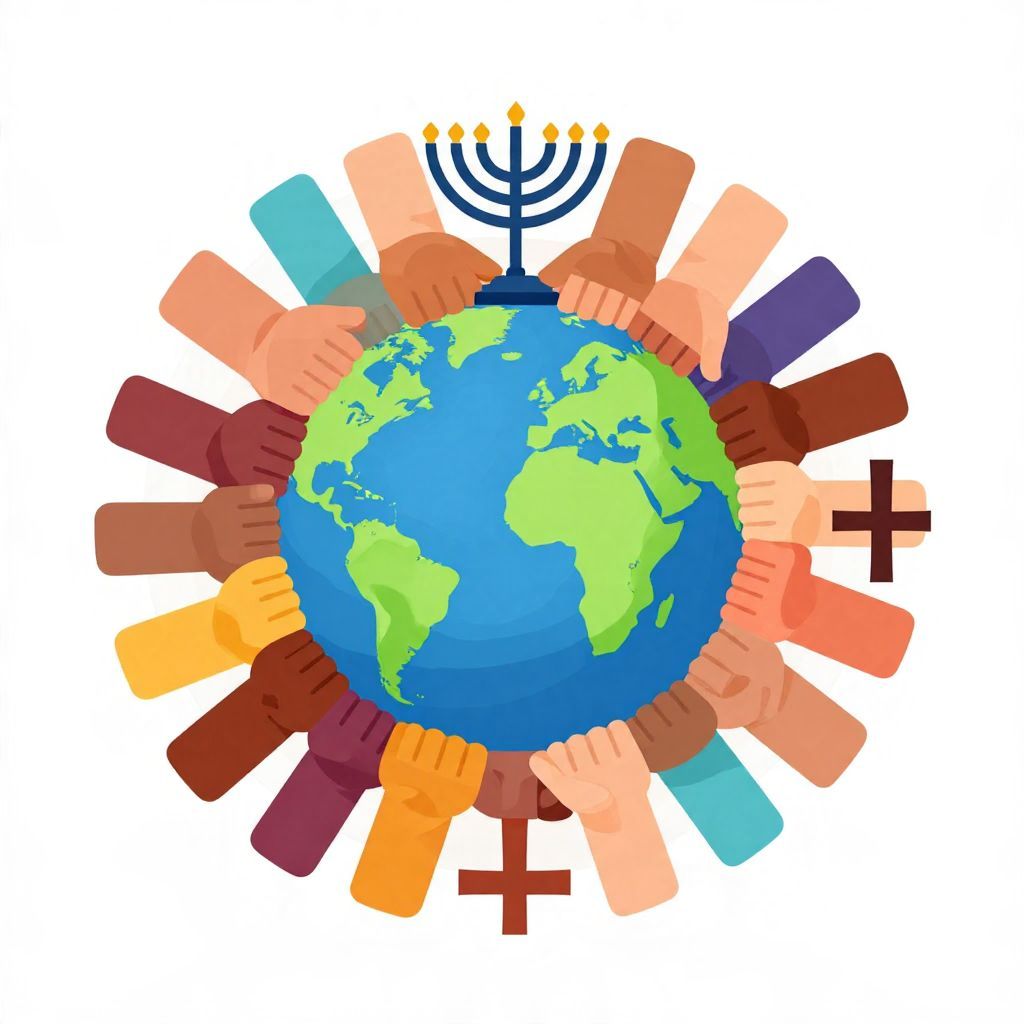
Have you ever stumbled upon the word “goy” and wondered what significance it holds in biblical and cultural contexts? This term carries deep historical and spiritual connotations that influence our understanding of God’s people and His plans. Exploring its true meaning reveals much about how we relate to one another in faith and community.
This article will unpack the meaning of “goy” by addressing its origins, usage in Scripture, and implications for Christian living. By understanding this term, you will gain clarity on how God sees both His people and the nations of the earth.
What Does Goy Mean?
Goy is a Hebrew word meaning “nation” or “people.” It often specifically refers to a non-Jewish nation or individual, distinguishing between the Israelites and other nations. Understanding this distinction helps clarify God’s interaction with humanity throughout Scripture.
The Origin of Goy
The root of the word is found in the Hebrew Bible, where the term refers to different nations. Genesis 12:2 reveals God’s promise to Abraham, stating, “I will make you into a great nation (goy).” Here, it points to Israel as the chosen people.
In contrast, Leviticus 20:26 states, “You are to be holy to me because I, the Lord, am holy, and I have set you apart from the nations (goyim) to be my own.” This highlights the unique identity God created for His people.
Goy in the Old Testament
Throughout the Old Testament, “goy” appears frequently, reflecting God’s chosen people, Israel, amidst surrounding nations. The Israelites were called to exemplify holiness and righteousness, influencing the Gentile nations.
In Isaiah 49:6, God speaks of Israel’s mission, saying, “It is too small a thing for you to be my servant to restore the tribes of Jacob and bring back those of Israel I have kept. I will also make you a light for the Gentiles (goyim), that my salvation may reach to the ends of the earth.” This shows God’s plan for all people to know Him.
Goy in the New Testament
The New Testament retains the idea of “goy” but introduces deeper implications about inclusion in God’s family. Romans 1:16 emphasizes that the gospel is for all, stating, “For I am not ashamed of the gospel, for it is the power of God that brings salvation to everyone who believes: first to the Jew, then to the Gentile (goy).” This verse highlights the transformative power of the gospel, available to every nation.
In Acts 10, Peter receives a vision that redefines the boundaries of God’s covenant family. The inclusion of Gentiles demonstrates that God’s love extends beyond Israel, breaking down barriers. Peter ultimately declares, “I now realize how true it is that God does not show favoritism but accepts from every nation (goy) the one who fears him and does what is right” (Acts 10:34-35).
Understanding Our Place in God’s Plan
Recognizing the meaning of “goy” directs us toward the broader vision of God’s kingdom. God’s intention is to gather people from every nation into a multi-ethnic family that reflects His glory.
This include Gentiles in His redemptive work challenges us to examine how we perceive others. Do we view people primarily through cultural or racial lenses? Or do we see them as part of God’s grand plan?
Embracing Diversity in the Body of Christ
The call to unity in diversity stems from God’s vision for His Church. Galatians 3:28 reminds us, “There is neither Jew nor Gentile, neither slave nor free, nor is there male and female, for you are all one in Christ Jesus.” This truth empowers us to embrace our differences while recognizing our unified identity in Christ.
By celebrating diverse backgrounds, we reflect God’s creativity and love. Rather than allowing cultural divisions to create barriers, we should cultivate a community that honors each person’s value and contributions. How do you actively demonstrate love for others from different backgrounds?
Practical Steps Toward Inclusivity
Taking steps toward inclusivity aligns with God’s heart for all nations. Here are some practical approaches:
- Engage with diverse communities in your area.
- Learn about different cultures through respectful conversations.
- Support ministries that reach out to various ethnic groups.
- Pray for unity within your local church and across denominations.
These thoughtful actions allow us to step outside our comfort zones and foster connections that glorify God.
Theological Implications of Goy
Understanding “goy” enriches our theology by emphasizing God’s character as inclusive and gracious. It invites us to engage deeper with the concept of God’s promises.
God’s plan has always involved using Israel to bless the nations. The Abrahamic covenant (Genesis 12:1-3) signifies that God desires to bring about restoration and salvation for all, not just a select few. Are we embracing this call to be bearers of the good news?
The Role of the Church
The Church embodies God’s promise and purpose for all nations. Matthew 28:19 commissions us to “go therefore and make disciples of all nations.” This ministry embraces the role of gentiles (goyim) within God’s redemptive plan.
How is your local church reaching out to those who may feel excluded? Building relationships with the unchurched fosters genuine community and allows the love of Christ to shine through.
The Great Commission: A Call for All
The Great Commission expands our understanding of “goy,” focusing on God’s desire for global outreach. This command does not solely emphasize numbers but highlights nurturing disciples, teaching them His ways.
As believers, we must remember that outreach is both local and global. It can be as simple as sharing a conversation with a co-worker or participating in a mission trip abroad. How can you contribute to sharing God’s love beyond your immediate circle?
Confronting Misunderstandings about Goy
Misunderstandings about the term can lead to divisions and hostility among people groups. Some may use “goy” derogatorily, perpetuating tensions between Jewish and non-Jewish communities. What does Scripture teach about this kind of behavior?
Proverbs 10:12 instructs us that “Hatred stirs up conflict, but love covers over all wrongs.” Choosing love over prejudice creates bridges rather than walls, reflecting the heart of God.
Scriptural Guidance
Scripture models how to engage with those who may be different. In Luke 10, Jesus tells the parable of the Good Samaritan to illustrate who our neighbor truly is. This proactive love breaks cultural barriers, demonstrating that compassion surpasses a mere label.
How can you become a Good Samaritan in your context, showing love to those labeled as “other”? Each small act creates ripples of God’s love in a fragmented world.
Encouragement for Gentiles
Gentiles need to know that they are included in God’s family. Ephesians 2:19 states, “Consequently, you are no longer foreigners and strangers, but fellow citizens with God’s people and also members of his household.” This promise reassures us of our acceptance in Christ.
Have you embraced your identity as part of God’s family? Consider how this awareness can reshape your interactions and spiritual journey.
Closing Thoughts on Goy
The term “goy” is more than a simple label; it reflects God’s grand narrative calling all people to Himself. Understanding its significance can deepen our appreciation for God’s heart and purpose. We are invited to show love, compassion, and inclusivity in the ways we engage with others.
As you reflect on the meaning of “goy,” consider how your actions embody God’s love for all nations. Will you commit to being a vessel of His grace, demonstrating unity and fellowship?
Explore more faith-based topics and articles on God’s promises and purpose, such as prayers for Israel or prayers for the IDF. These resources can deepen your understanding and connection to God’s family around the globe.