
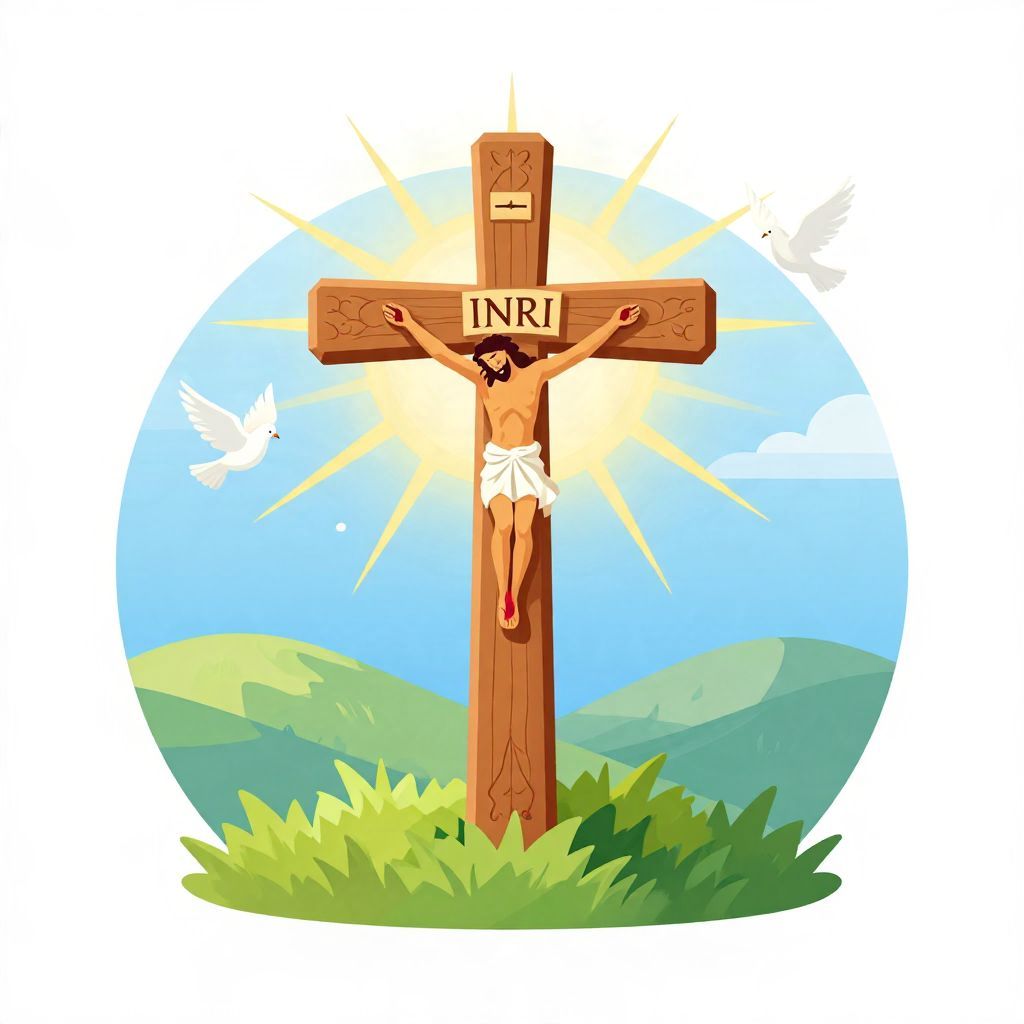
Have you ever looked at a crucifix and wondered about the significance of the letters above Jesus? The inscription “INRI” can sometimes feel like a mystery, overshadowed by the profound act of sacrifice on the cross. Understanding this inscription can deepen the meaning of Christ’s crucifixion and, ultimately, draw us closer to His truth.
This article explores the meaning of “INRI,” why it was placed there, and how it connects to biblical prophecy and our lives as believers. Through Scripture, we can see that the cross is not just a symbol of suffering but also a testament to God’s redemptive plan.
What Does Inri Mean On The Cross?
INRI stands for “Iesus Nazarenus, Rex Iudaeorum,” which translates to “Jesus of Nazareth, King of the Jews.” This title was placed above Jesus during His crucifixion as a declaration of the charge brought against Him.
The Scriptural Basis for Inri
The Gospel of John records, “Pilate also wrote an inscription and put it on the cross” (John 19:19, ESV). This inscription summarized the accusation used to justify His execution, revealing a profound irony. Jesus’ true identity as the King of Kings contrasts sharply with how He was treated.
Connection to Prophecy
The mentioning of Jesus as “the King” connects to Old Testament prophecies, particularly those in Isaiah. Isaiah 9:6 speaks of a coming ruler who would be called “Wonderful Counselor, Mighty God, Everlasting Father, Prince of Peace.” The cross illustrates the fulfillment of these prophecies through suffering.
The Meaning of the Title
Understanding “King of the Jews” emphasizes Jesus’ rightful authority. While those around Him may have mocked His title, believers see it as a declaration of His sovereignty over all nations, not just the Jews. How does recognizing Jesus as King influence your understanding of His sacrifice?
The Significance of Each Word
Every part of “Iesus Nazarenus, Rex Iudaeorum” holds significance worth exploring. Understanding these terms can enhance our appreciation of their meaning.
Jesus
The name “Jesus” means “Yahweh saves.” This name affirms His divine mission. In Matthew 1:21, the angel tells Joseph, “you shall call his name Jesus, for he will save his people from their sins.” His very identity speaks of salvation and deliverance.
Nazarenus
“Nazarenus” identifies Jesus with Nazareth, fulfilling the prophecy that the Messiah would come from humble beginnings (Matthew 2:23). The people of Nazareth initially struggled to accept His kingly identity based on their familiarity with His humble origins. Are there areas in your life where familiarity has clouded your recognition of God’s work?
Rex
“Rex” signifies kingship. Jesus affirmed this in John 18:36, stating, “My kingdom is not of this world.” His authority transcends earthly realms, reminding us that His reign is established in the hearts of believers through faith.
Iudaeorum
This phrase, meaning “of the Jews,” emphasizes Jesus’ mission to His chosen people. In Romans 1:16, Paul writes, “For I am not ashamed of the gospel, for it is the power of God for salvation to everyone who believes, to the Jew first and also to the Greek.” This inclusivity demonstrates God’s plan for all humanity.
The Political Context
The inscription also bears significant political implications. Pilate intended to ridicule Jesus and extinguish any notion of His kingship. Yet, in this act of mockery, he inadvertently declared the truth. How often do we dismiss God’s truth because of the circumstances surrounding it?
Roman Authority
In the Roman Empire, titles were instruments of power. Pilate placed the sign to solidify his control and quell any potential uprising. Instead, it highlighted Jesus’ unique authority as the true King. Believers can acknowledge their citizenship in this heavenly kingdom.
Public Perception
The inscription impacted public perception. Some viewed Jesus as a laughingstock, while others recognized Him as Lord. Moments of dismissal and recognition occur in our daily lives. How does the credibility of Christ influence how the world perceives us as His followers?
Theological Implications
INRI invites a deeper reflection on how God’s plan unfolded through Jesus’ death. It reminds us that God’s purposes often materialize in unexpected ways, just like the cross itself.
The Atonement of Christ
Jesus represented the ultimate sacrifice for humanity’s sins. His title as King signifies His authority over sin and death. Through His blood, we find redemption, transforming us into new creations (2 Corinthians 5:17). Have you embraced your identity as one redeemed by this King?
Reversal of Expectations
The crucifixion flips worldly expectations on its head. Rather than a glorious coronation, Jesus’ Kingship is displayed in humility and sacrifice. Philippians 2:8 affirms that He “humbled himself by becoming obedient to the point of death, even death on a cross.” This humility challenges believers to adopt a posture of servanthood.
Modern Relevance
The inscription “INRI” not only has historical significance but also speaks to the modern believer. It serves as a reminder of Jesus’ identity and mission today.
Jesus as Our King
Accepting Jesus as King means allowing Him to govern our lives. What does it look like for you to live under His kingship? This involves aligning your choices and actions with His will as found in Scripture.
Witnessing in a Laughing World
Just as Jesus faced mockery, Christians today often endure ridicule for their beliefs. This serves as an opportunity to respond with grace. Hebrews 10:39 encourages believers: “But we are not of those who shrink back and are destroyed, but of those who have faith and preserve their souls.” How can you stand firm in the face of opposition?
Practical Application
Embracing the meaning of “INRI” can reshape how we serve and witness to the world. It compels us to live under Christ’s authority and reflects His love.
Live with Purpose
Recognize daily that Jesus reigns. Ask yourself, “How can I glorify Him today?” Making intentional choices can testify to His authority in your life.
Share the Gospel Boldly
In a world often indifferent to faith, share the significance of Jesus with confidence. Use opportunities to discuss His kingship and redemptive work. How can sharing your faith glorify the “King” to those around you?
Practice Humility
Honor the King by reflecting His character. Embrace places of service and humility, emulating the example He set on the cross. Are there ways you can serve others in unexpected places?
Prayer for Understanding
Seek God’s wisdom to grasp the true meaning of Christ’s sacrifice. Pray for a heart that recognizes Jesus as King in all aspects of life. How can prayer bolster your relationship with the King?
Conclusion
In understanding “INRI,” we grasp not just an inscription, but a profound reminder of who Jesus is. He stands as the King of Kings, whose reign speaks hope and redemption. Let this awareness guide your actions, thoughts, and prayers each day.
Consider reflecting on your relationship with Christ. How can you deepen your commitment to following Him as your King? Pray for opportunities to live out His truth and purpose.
Explore more faith-based topics and articles like Prayer for the Faithful Departed or Prayers for the Deceased to further enrich your walk with God.