
Have you encountered tarot cards and wondered what they really mean? Many seek answers and guidance through them, but understanding their true nature can be challenging. Exploring tarot readings requires discerning their implications in light of our faith as Christians.
In this article, we’ll address what a tarot reading entails, its origins, and how it aligns or conflicts with a biblical understanding of God’s communication and guidance. It’s vital to grasp these truths, as our spiritual health relies on focusing on what God intends for our lives.
What Is A Tarot Reading?
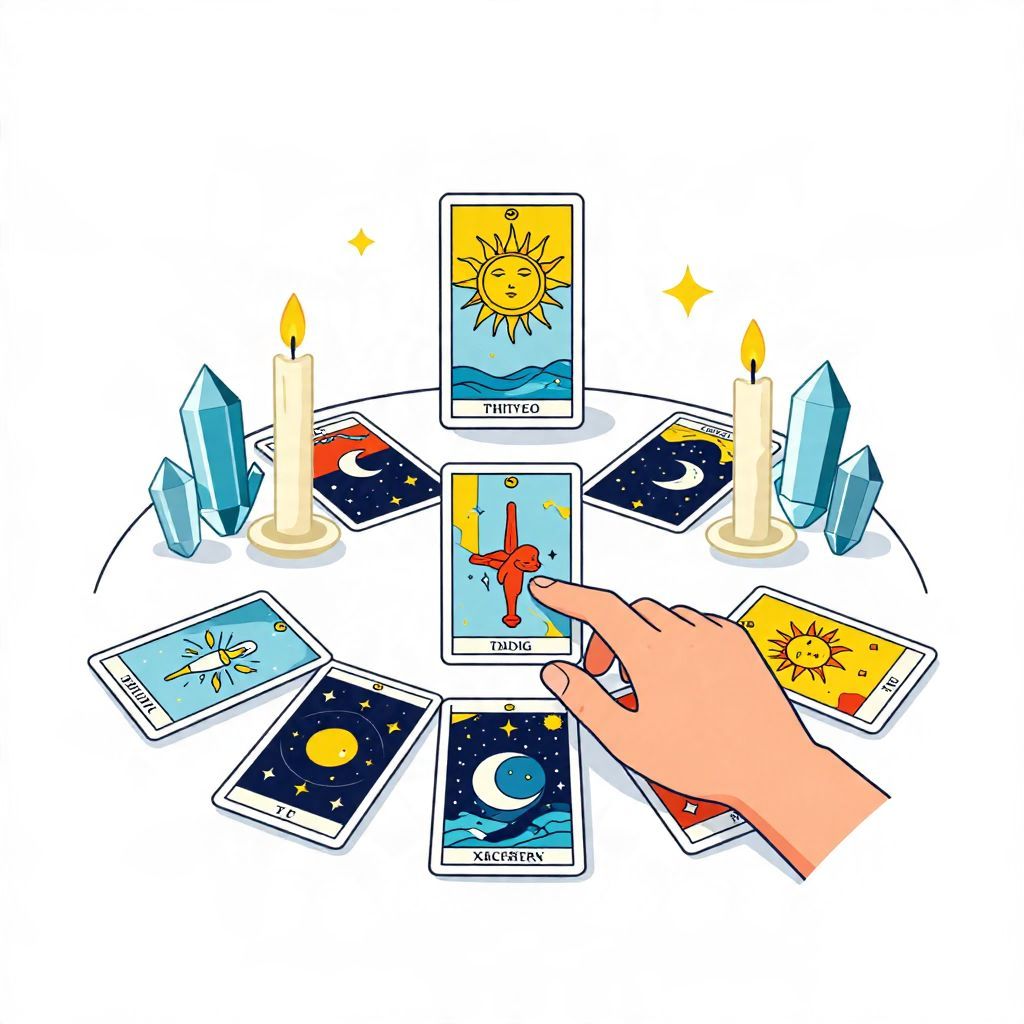
A tarot reading involves using a deck of tarot cards to gain insight into a person’s life or future. Typically, a reader interprets the symbolism of the cards based on their positions in a specific layout, or spread. While some view this practice as a form of divination, others see it as a way to tap into one’s intuition.
The Origins of Tarot
Tarot cards originated in the 15th century in Europe, initially serving as playing cards. They evolved into tools for divination and spiritual exploration over time, indicating a shift away from their original purpose. This transition raises significant questions about their current role in spiritual practice.
Why do many individuals turn to tarot? Often, people seek certainty amidst life’s unpredictability. In times of doubt, they might find comfort in what appears to be prophetic insight. Yet, Scripture cautions against seeking knowledge outside God’s revelation.
Scriptural Insights on Divination
The Bible explicitly warns against practices associated with divination, sorcery, and fortune-telling. Deuteronomy 18:10-12 states, “Let no one be found among you who sacrifices his son or daughter in the fire, who practices divination or tells fortunes, who interprets omens, engages in witchcraft, or casts spells, or who is a medium or spiritist or who consults the dead. Anyone who does these things is detestable to the Lord…”
These verses highlight that God does not allow practices that claim to predict the future or reveal hidden truths through means separated from His guidance. Engaging in tarot readings could lead believers to find security in something apart from God’s Word.
The Appeal of Tarot Readings
The allure of tarot resonates with those in search of direction, validation, or the unknown. But we should critically examine the motivations behind seeking guidance in this manner. Reflect upon this: Are you trying to find answers to life’s challenges using human-made methods rather than seeking God through prayer and Scripture?
Seeking Guidance from God
God desires to guide us, and His way is through prayer and His Word. Proverbs 3:5-6 reminds us, “Trust in the Lord with all your heart and lean not on your own understanding; in all your ways acknowledge Him, and He will make your paths straight.”
Unlike tarot readings, God’s guidance is not based on chance or interpretation of cards. Instead, it’s grounded in His eternal promises and love. We can approach Him with every concern, trusting that He hears and understands our struggles.
Faith, Doubt, and Assurance
In moments of doubt, believers should not turn to practices that conflict with their faith. Reflect on Romans 10:17: “Consequently, faith comes from hearing the message, and the message is heard through the word about Christ.” When we immerse ourselves in Scripture, our faith grows, allowing us to lean confidently on God’s plan.
The desire for immediate answers is human. But, placing our faith in God’s Word leads to lasting assurance. Trusting in the divine timing of our prayers protects us from being swayed by uncertainties that tarot may falsely promise to resolve.
God’s Sovereignty vs. Tarot Readings
God’s sovereignty is central to understanding our life’s circumstances. Isaiah 46:9-10 declares, “I am God, and there is no other; I am God, and there is none like Me. I make known the end from the beginning, from ancient times, what is still to come. I say, ‘My purpose will stand, and I will do all that I please.’”
God possesses ultimate authority over our lives. Tarot cards cannot predict God’s will or alter His plans. Instead, we should steadfastly pursue a relationship with Him, fully trusting that His purposes will be realized through Christ. This trust cultivates peace, even when outcomes seem uncertain.
The Importance of Prayer
Consider this: How often are prayers replaced with sketches of card meanings? Prayer is meant to be our direct line to God. Philippians 4:6-7 reassures, “Do not be anxious about anything, but in every situation, by prayer and petition, with thanksgiving, present your requests to God. And the peace of God, which transcends all understanding, will guard your hearts and your minds in Christ Jesus.”
Prayer invites God into our struggles. It fosters a deep relationship where we hear His voice guiding us, rather than relying on the interpretations of cards. True assurance flows from a heart aligned with His will, not from possible meanings of cards.
The Risks of Tarot
Engaging with tarot readings can lead to several spiritual risks that may harm our faith. Reflect on Paul’s advice in 1 Corinthians 10:31: “So whether you eat or drink or whatever you do, do it all for the glory of God.” Compromising our faith for temporary insights can trivialize our relationship with God.
Spiritual Confusion
Just as Eve was tempted in the Garden of Eden to seek wisdom apart from God’s command, spiritual confusion can arise when believers turn to tarot. Genesis 3:6 illustrates how alluring knowledge outside God’s authority can lead to tragic consequences.
Allowing tarot’s mixed messages into your life risks the clarity that God promises. Scripture must guide every action and thought. How do you guard your heart from such confusion?
Encouraging Faith in God’s Promises
Seeking answers in tarot may not only discourage faith but lead to misplaced trust. Instead, direct your search for knowledge to God’s promises revealed in Scripture. Psalm 119:105 assures, “Your word is a lamp for my feet, a light on my path.”
Trusting God’s Word ignites hope and strengthens faith. Equipped with His truth, we navigate life’s uncertainties without needing alternative sources of insight.
What to Rely On Instead
Engage actively with Scriptures, prayer, and fellowship with other believers. This sustains your faith and directs you towards God’s purpose. 2 Timothy 3:16-17 states, “All Scripture is God-breathed and is useful for teaching, rebuking, correcting, and training in righteousness, so that the servant of God may be thoroughly equipped for every good work.”
Prayer for Wisdom
Seek wisdom through prayer. James 1:5 encourages us: “If any of you lacks wisdom, you should ask God, who gives generously to all without finding fault, and it will be given to you.” Wisdom grounded in faith is far beyond any interpretation of tarot readings.
Community Support
Fellowship with other believers nurtures growth. Engaging in regular conversations with fellow Christians encourages support in seeking God’s guidance. We grow stronger together while encouraging one another’s faith journey.
Conclusion: Finding True Guidance
In examining what tarot readings entail, we understand they stand contrary to reliance on God’s Word and divine guidance. Scripture remains our source of truth, illuminating our path while protecting our hearts from misleading influences. Trust in God’s promises, seek His wisdom, and pray for clarity in every area of your life.
Remember the importance of pursuing direct communication with God rather than depending on confusing practices. Allow your faith to shape your understanding of God’s purpose, finding joy in embracing His will. Every step taken in faith leads to a rewarding journey with Him.
As you consider these truths, take time to engage in prayer and reflect on God’s Word. Trust fully that His guidance will never lead you astray. If you seek more on how to deepen your faith, explore further at All Christian Prayer. A prayer for protection can also be a great resource during these times of confusion; it’s a reminder of God’s sovereignty and care, which you can find at Prayer for Protection.