
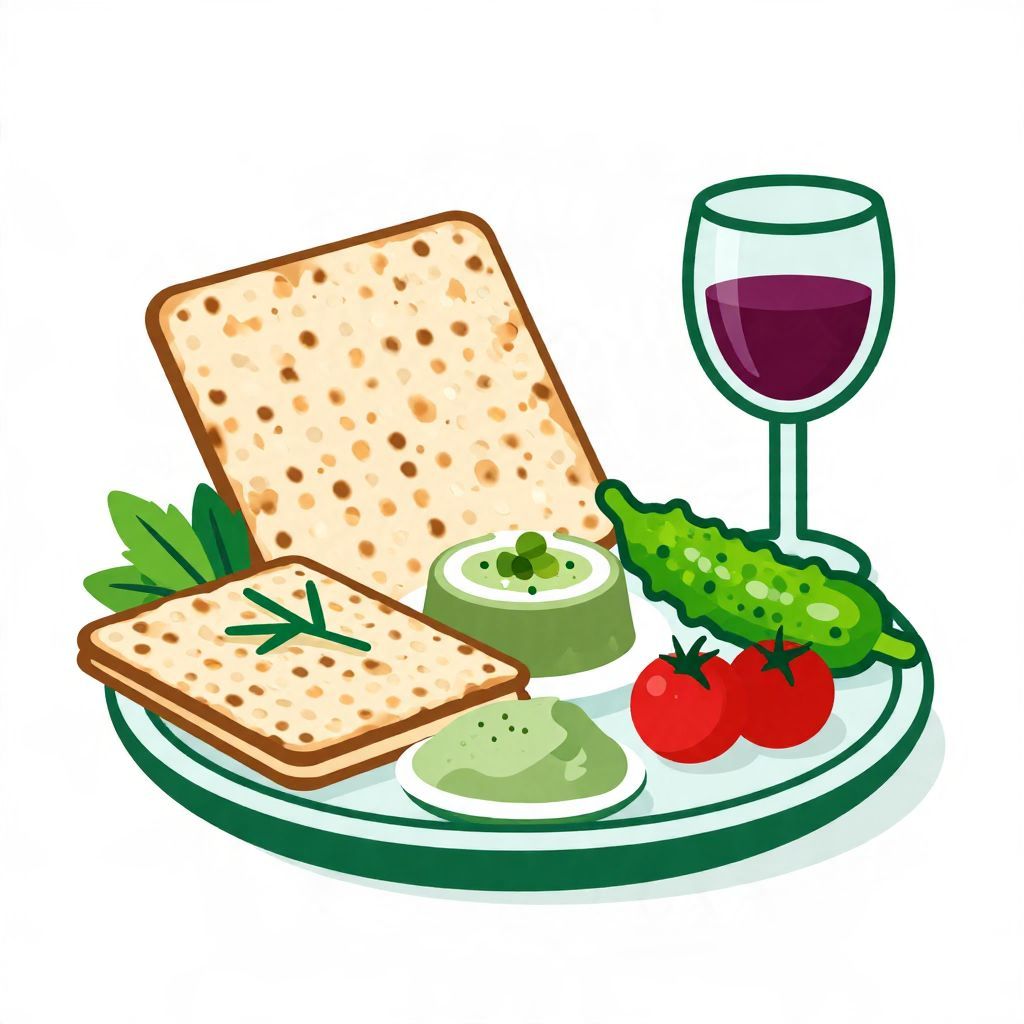
Have you ever wondered how to connect the dots between ancient Jewish traditions and your own faith? Understanding Passover’s timing and significance can deepen your relationship with God and illuminate His redemptive work in Scripture. This article will explore when Passover occurs in 2027 and why it holds profound spiritual meaning for Christians today.
Passover, or Pesach, commemorates the Israelites’ liberation from Egyptian slavery, as detailed in Exodus 12. It serves as a reminder of God’s faithfulness and His capacity to deliver from bondage. Observing this feast can spark deeper insights into Christ’s sacrifice, revealing God’s continued plan for salvation.
When Is Passover 2027?
Passover will begin at sundown on April 5, 2027, and end at nightfall on April 13, 2027. This week-long holiday is rooted in the lunar calendar, specifically in the month of Nisan. Timing is essential, as it connects the timing of Passover with the events of Holy Week in the Christian tradition.
The Importance of the Timing of Passover
Understanding when Passover occurs provides vital context for the events leading to Jesus’ crucifixion and resurrection. Jesus, referred to as the Lamb of God, celebrated Passover with His disciples, becoming the ultimate sacrifice for humanity. Reflect on this: how does knowing the timing of Passover enhance your grief and gratitude for the cross?
The timing of Passover each year underscores God’s infinite wisdom. The Israelites marked their doors with lamb’s blood, and the Lord passed over those houses during the plague. In the same way, Jesus’ blood covers those who believe, allowing us to escape judgment. This connection shows how the Old Testament foreshadows the New Testament.
The Spiritual Significance of Passover
Passover carries immense spiritual weight for Christians. It details God’s promise of deliverance and paints a picture of salvation that culminates in Jesus. Identifying the significance in Scripture helps clarify our relationship with God. How often do you meditate on the meaning of Passover in relation to your faith?
God’s Faithfulness in Deliverance
When God instructed the Israelites to observe Passover, He showcased His unwavering commitment to His people. In Exodus 12:12-13, God states, “When I see the blood, I will pass over you.” This reassurance of safety invites reflection on our personal experiences of God’s protection and grace.
Remembering God’s deliverance includes recalling times you encountered His mercy. Engaging with God’s past faithfulness encourages trust as you face the future. What testimonies of God’s deliverance resonate in your life?
The Foreshadowing of Christ
In the sacrificial lamb of Passover, we see the foreshadowing of Christ’s sacrifice for humanity. John 1:29 proclaims, “Look, the Lamb of God, who takes away the sin of the world!” This direct link invites Christians to recognize Christ’s central role in God’s redemptive plan.
Celebrating Passover can ignite rich discussions about your faith journey. Consider how Christ became your sacrificial lamb and what that means for your daily walk with Him. How can you share this incredible truth with those around you during this holy season?
Reliving the Story
The Seder meal, a ritual feast marking the beginning of Passover, allows families to retell the story of God’s deliverance. This tradition fosters connection and understanding among families and generations. Retelling God’s story can also elevate your appreciation of His ongoing work. Have you shared or experienced traditions that bring meaning to your faith?
Engaging in ritual can renew your commitment to remember God’s faithfulness. Whether through your own observance of traditions or by creating new rituals, bringing others into this celebration transforms lives. What new traditions could help anchor your family’s faith in this season?
Preparation for Passover
Preparation is essential for a meaningful Passover experience. Both physical and spiritual preparation prepare the heart to honor God’s deliverance. How can practicing intentionality during this preparation enhance your connection with God and the significance of this observance?
Cleansing and Purity
Jewish tradition emphasizes removing leaven from homes, symbolizing the need for spiritual purity. In 1 Corinthians 5:7-8, Paul encourages believers to “get rid of the old yeast so that you may be a new unleavened batch.” This call to purity applies to our lives as Christians, where we are called to eliminate sin and pursue holiness.
Before Passover, take time to reflect on aspects of your life that may need cleansing. This process invites God’s penetrating light into your heart, allowing you to release unconfessed sin and embrace restorative grace. How might you engage in this spiritual practice leading up to Passover?
Gathering and Community
Involvement in a community enhances your Passover experience. Christians often gather to reflect and observe the feast together. Hebrews 10:24-25 calls believers to “spur one another on toward love and good deeds.” When we gather as a body of Christ, we strengthen one another’s faith.
Consider inviting others into your Passover observance. Whether through a family meal or community gathering, allowing others to share the experience fosters connection and strengthens your faith and allegiance to God. Who could you invite to join in this spiritual moment?
Living Out Passover Beyond the Feast
Living out the significance of Passover extends beyond the confines of a meal. The spiritual implications can shape your daily walk with God. How will you allow the lessons learned during Passover to transform your actions and decisions moving forward?
The Call to Share the Gospel
Just as the Israelites spread the story of their deliverance through future generations, Christians are called to share the gospel. Matthew 28:19-20 commands believers to make disciples of all nations. The themes of liberation and grace echo from Passover to our call as Christ followers. Share the truths you’ve gleaned with someone this season.
Consider embracing opportunities to share your faith. Look for conversations that allow you to connect the Passover message with Christ’s work through the cross in your daily interactions. Who is God prompting you to reach during this Passover observance?
A Season of Reflection and Growth
The observance of Passover is a time of reflection and assessment of personal spiritual growth. Regularly reflecting on God’s deliverance teaches us gratitude and inspires holy living. The Psalms remind us to “give thanks to the Lord for He is good.” Extend your gratitude to God during and after Passover.
Engage in prayer and reflection during the days leading up to and following Passover. List blessings, struggles, and areas for growth in your spiritual life. What habits can you cultivate to maintain a reflective and grateful heart long after Passover ends?
Conclusion: Embracing Deliverance
Understanding the timing and significance of Passover invites believers to embrace the depth of God’s love and the beauty of the gospel. Celebrating Passover provides a unique lens to view Christ’s work in the New Testament, bridging our history with His enduring faithfulness.
This year, as Passover unfolds on April 5, 2027, identify how the themes of deliverance and hope resonate in your life. Take time to engage with God’s Word through prayer, reflection, and community. How can you allow the lessons of Passover to touch every aspect of your life?
As you move forward, consider adopting the practice of prayerful observance each Passover season. Make it a time of renewed faith, gratitude, and commitment to live out Christ’s love daily. May the promises of God’s faithful deliverance echo in your heart long after the last matzah has been eaten.
Explore more faith-based topics and articles to deepen your understanding by visiting our page on prayer for lent and prayer for Easter Sunday. Embrace the richness of your faith as you study and grow in your spiritual walk.