
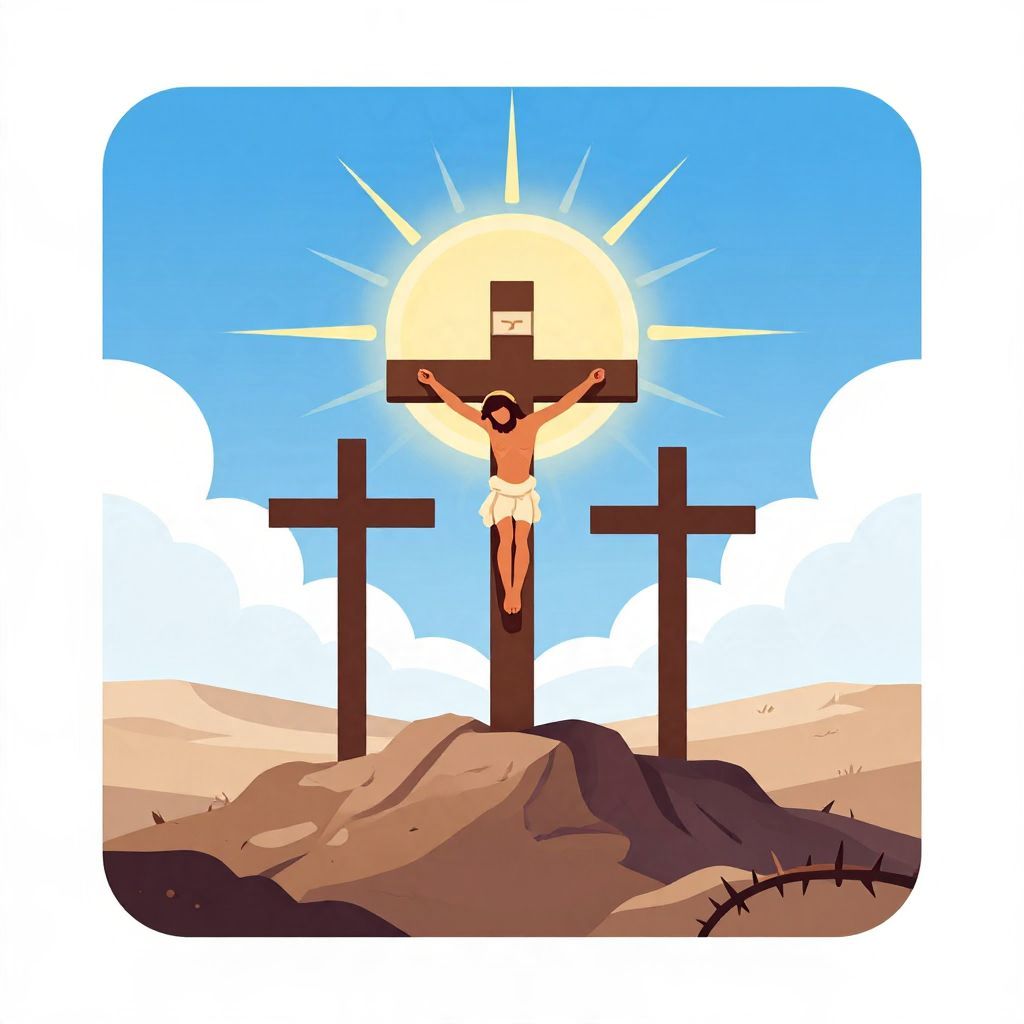
Have you ever pondered the significance of Jesus’ death and where it took place? The site of His crucifixion holds immense meaning for Christians and relates closely to the foundation of faith. Understanding where Jesus died deepens appreciation for His sacrifice, revealing insights into God’s great love and the fullness of salvation.
This article will explore the geographical, spiritual, and biblical context of Jesus’ death. Grounded in Scripture, we will uncover why the location is not merely a historical detail but a vital part of our faith as believers.
Where Did Jesus Die?
Jesus died at a place called Golgotha, which means “the place of the skull.” It is located outside the city walls of Jerusalem, just beyond the gates. This significant moment took place during the Passover festival, a pivotal period that draws together themes of sacrifice and redemption.
The Significance of Golgotha
Golgotha’s name evokes powerful imagery. Understanding its meaning leads us to contemplate the weight of sin and death. It also communicates God’s intention to confront human sin through the cross.
John 19:17 explicitly states, “Carrying his own cross, he went out to the place of the skull (which in Aramaic is called Golgotha).” The clarity in naming this location connects the actual geographical site with profound spiritual truths.
Historical accounts confirm that Jesus was crucified outside Jerusalem around A.D. 30-33. While other theories about His death’s location exist, the consensus among historians aligns closely with Scripture.
Archaeological findings support Golgotha’s traditional attribution as the crucifixion site. The outdoor hill known as Skull Hill, near the Church of the Holy Sepulchre, provides visual continuity with the biblical accounts. This physical reality gives weight to the claims of Christ’s sacrifice in history.
Considering the site, Golgotha is likely situated near a roadside well-trafficked by onlookers. This public setting served as a stark announcement of His punishment, fulfilling the prophecy detailed in Isaiah 53.
The crucifixion occurring outside the city serves additional purposes. It reflects humanity’s rejection of God, as the religious leaders forced Jesus outside their holy city, away from their religious rituals. How does this realization affect our understanding of how we treat Jesus in our lives?
The Spiritual Meaning of the Location
God incorporated profound symbolism in Jesus’ death location. In the Bible, mountains and hills often signify closeness to God. Golgotha’s elevated position emphasizes the weight of his sacrifice.
Leviticus 16:27 illustrates the practice of taking sacrificial animals outside the camp. This connection highlights Jesus as the ultimate sacrifice, bearing the sins of humanity away from the camp of the righteous. The fulfillment of this practice showcases God’s plan to redeem His people.
Both the Old and New Testaments anticipate the Messiah’s suffering and death. Jesus’ fulfillment of these prophecies from Isaiah and Psalms underscores the importance of Golgotha in divine history.
Psalm 22, for example, vividly captures the crucifixion scene, long before it ever happened. The agony expressed in these verses echoes in the moments leading to Jesus’ last breath. See how the Bible interweaves these elements to unveil a deeper understanding of the passion narrative.
The cross stands as a universal symbol of faith, hope, and redemption. It transcends cultural boundaries, reminding believers of the vastness of God’s love and the enormity of our need for salvation. When reflecting on the cross, Christians must remember Golgotha as the ground where this transformation occurred.
1 Peter 2:24 captures this truth, stating, “He himself bore our sins in his body on the cross, so that we might die to sins and live for righteousness.” This verse passionately speaks to the heart of Jesus’ purpose in a central, identifiable location.
Understanding the location of Jesus’ death requires us to make it personal. His sacrifice is not just an event in history; it encompasses our lives today.
Jesus’ death on the cross challenges each believer to confront deep-seated sin. What sin do you carry that you need to take to the foot of Golgotha? Romans 3:23 reminds us that “all have sinned and fall short of the glory of God.” The cross becomes the place where we lay those burdens down.
As Christians, Golgotha is not just a historical location. It signifies the very essence of forgiveness. In accepting Christ’s death, we embrace the grace offered through His blood. 1 John 1:9 assures us, “If we confess our sins, he is faithful and just and will forgive us our sins and purify us from all unrighteousness.” Every act of confession allows believers to experience the freedom found at this sacred site.
With the understanding of what took place at Golgotha, we now must choose how we live. Matthew 16:24 invites believers deeper, “If anyone would come after me, let him deny himself and take up his cross and follow me.” Daily, Christians reflect on living lives that honor that sacrifice, thus inviting others to the cross.
Jesus’ death at Golgotha culminates in the resurrection, the very cornerstone of the Christian faith. Without the resurrection, the crucifixion loses its power.
Jesus foretold his resurrection on multiple occasions. Consider John 11:25-26, where He says, “I am the resurrection and the life.” This statement reminds believers of eternal life available through Him. Golgotha becomes a prelude to the ultimate victory over death.
Post-resurrection, Jesus commissions His disciples to share the Gospel with the world. In this light, we see Golgotha not only as a spot of death but a launching pad for life-changing ministry. Acts 1:8 captures this mandate, emphasizing the urgency to spread the Good News.
How are you responding to this divine calling? Daily living must reflect your commitment to share the message of salvation, echoing the urgency established at Golgotha.
As believers contemplate the death of Jesus, consider how the location influences daily faith. Reflecting on Golgotha brings forth numerous practical applications.
Encourage consistent prayer rooted in the awareness of Christ’s sacrifice. Approach God personally, communicating how His grace impacts your daily life. How does recognizing Jesus’ suffering inspire your prayer life?
Delve into the Scriptures that reveal the significance of the cross. Meditate on passages like Luke 23:33-34, which depicts the crucifixion and its emotional weight. Engaging with these texts strengthens understanding and appreciation for Golgotha’s importance.
Respond to Jesus’ act of service on the cross by serving those around you. Matthew 25:40 reminds us, “Whatever you did for one of the least of these brothers and sisters of mine, you did for me.” Consider practical ways to reach out and embody Christ’s love daily.
Golgotha stands as a defining site, rich in spiritual and historical significance for Christians. Understanding where Jesus died offers powerful insights into the nature of God’s love, grace, and the call to live transformed lives.
As you reflect on Golgotha, recognize that it represents more than just a location. It signifies the climax of God’s redemptive story and the opportunity for all of humanity to experience grace. Take a moment to reflect on your relationship with Jesus. Is there a burden you can lay down at the foot of the cross?
In the light of the truth of Golgotha, may you choose to live in a way that honors Christ’s sacrifice, sharing the message of hope with the world. Explore more faith-based topics and articles to deepen your understanding, such as Prayer for the Dead and Prayers for the Dying.