
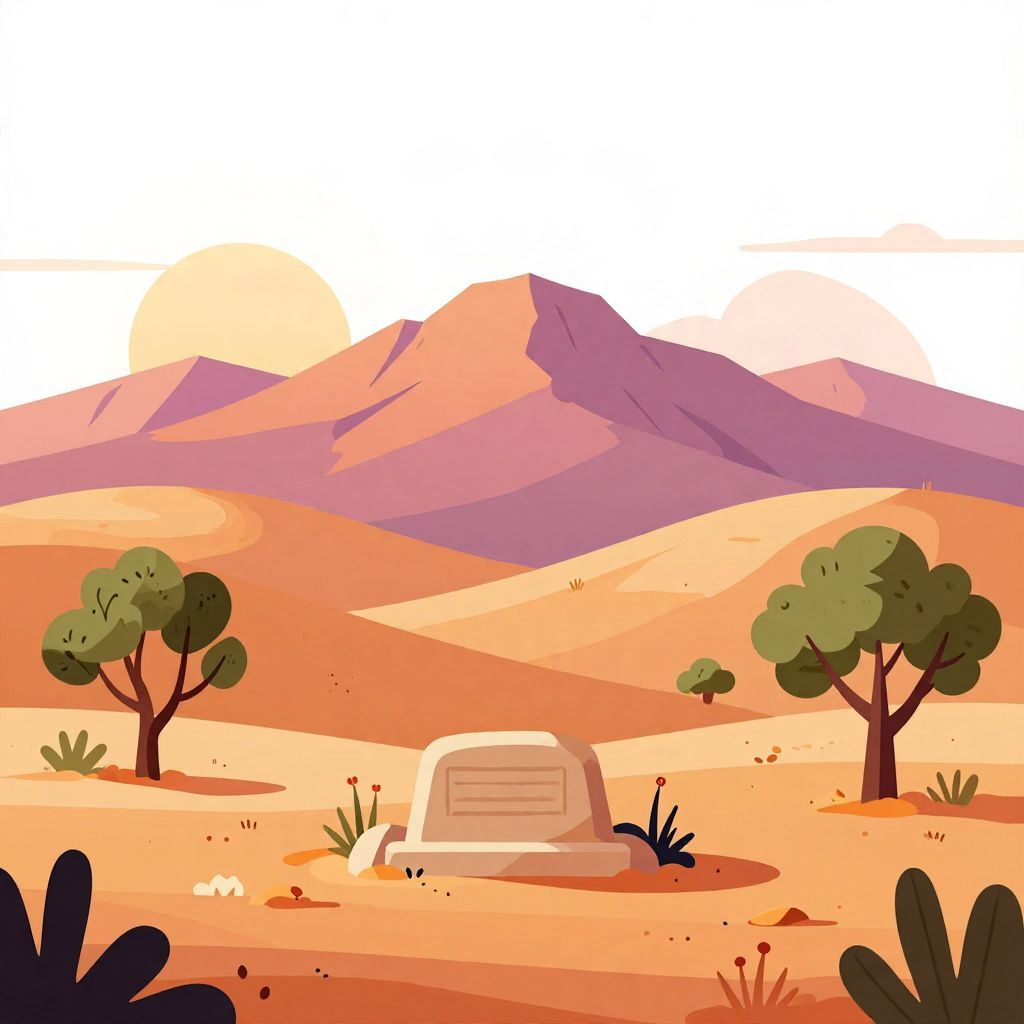
Have you ever wondered about the final resting place of one of the most significant figures in the Bible? As the leader who guided the Israelites out of slavery in Egypt, Moses holds a prominent place in our faith. Yet, despite his importance, the specific location of his burial remains a mystery. This article explores where Moses is believed to be buried and the deeper spiritual truths surrounding his life and death.
The story of Moses does not only reveal God’s work in history but also speaks to His character and promises. It invites us to reflect on the journey of faith, obedience, and the assurance of God’s plans, which extend beyond this life.
Where Is Moses Buried?
Moses is believed to have been buried in a location known to God, but it is not revealed to us in Scripture. Deuteronomy 34:5-6 states, “And Moses the servant of the Lord died there in Moab, as the Lord had said. He buried him in Moab, in the valley opposite Beth Peor, but to this day no one knows where his grave is.” This intentional hiding reveals God’s purpose and prevents the elevation of Moses’ burial site.
The Significance of Moses’ Burial Site
The fact that Moses’ grave remains unknown serves a profound purpose. God often calls us to focus on the journey rather than the destination. Our faith should be rooted in relationship with Him, not in physical locations or idols. In this case, God took care of His servant even in death.
God’s choice to bury Moses in secrecy reflects His intimate care for Moses and His desire to direct the hearts of the people toward Himself rather than a relic of human achievement. Do we sometimes hold onto physical remnants of spiritual experiences? Consider how we might overly venerate places or objects, rather than pursuing a living relationship with God.
Why Does It Matter?
This knowledge about Moses’ burial site encourages us to maintain perspective in our Christian walk. God’s priorities often differ from ours. While we may seek earthly assurances or tangible signs of His presence, He invites us to trust Him beyond what we can see.
Reflect on your walk with God. Are you seeking His presence in your daily life, or do you find yourself distracted by lesser things? The mystery surrounding Moses’ grave can challenge us to re-evaluate what we hold dear in our faith.
The Life of Moses: A Precursor to Christ
To understand the significance of Moses, it’s essential to look at his life and mission. Moses was chosen by God to lead the Israelites to freedom and deliver the Law. His life is filled with divine encounters and miraculous events, all pointing toward a greater fulfillment found in Jesus Christ.
Moses’ Early Life and Calling
Moses was born into a time when Hebrew boys faced the threat of death. His mother placed him in a basket to save his life, showing remarkable faith and obedience. God had a plan for Moses, using him to rescue His people (Exodus 2:1-10). Reflect on God’s providence in your own life. How has He shaped your journey in unexpected ways?
The Exodus and God’s Promises
Moses faithfully led the Israelites out of Egypt, demonstrating the power of God’s deliverance. This exodus symbolizes salvation, foreshadowing the ultimate deliverance through Jesus Christ. Hebrews 3:5-6 says, “Moses was faithful as a servant in all God’s house, bearing witness to what would be spoken by God in the future. But Christ is faithful as the Son over God’s house.”
Moses foreshadowed Jesus by being a mediator between God and the people. As we study Moses’ life, we should view him as a reflection of God’s character and His work in leading humanity toward salvation.
The Spiritual Legacy of Moses
Moses left behind a legacy that still impacts our faith today. His story is interwoven with themes of obedience, faith, and communion with God. Through Moses, we see God’s desire to be with His people and to lead them into covenant relationship.
Lessons in Obedience
Moses’ journey reflects the importance of obedience to God’s calling, even when it seems daunting. God often places us in challenging circumstances, calling us to trust Him fully. How do we respond when faced with difficulty? Do we lean into our faith or retreat in doubt?
In Deuteronomy 30:19-20, God calls His people to choose life and blessings over death and curses. This choice remains relevant to us today. Following God’s commands leads us into a fuller experience of His love and promises.
Intimacy with God
Moses had a unique relationship with God, described as talking with Him “face to face” (Exodus 33:11). This intimacy came through the practice of prayer and communication. God longs for that same closeness with each of us. What practices can you incorporate to deepen your relationship with Him?
Take time to regularly pray, read Scripture, and listen for God’s voice. We grow in our faith and understanding when we cultivate an ongoing relationship. The mystery of Moses’ burial can remind us to focus less on physical tombs and more on the living God who desires a personal connection.
The Hope Beyond the Grave
Moses’ burial reminds us of a deeper truth: God has authority over life and death. Our hope as believers rests in the resurrection of Jesus and the promise of eternal life. Romans 8:38-39 assures us that nothing can separate us from God’s love.
The Resurrection and Eternal Life
When Moses died, he entered into a rest that God promised. In the same way, our faith unlocks the promise of eternal life with Him. We can find hope in John 11:25-26, where Jesus declares, “I am the resurrection and the life. The one who believes in me will live, even though they die.” There is comfort in knowing that death is not the end, but a passage into a new beginning.
Living with Eternal Perspective
The reality of our mortality can serve as a motivation to live fully for Christ today. How can understanding our eternal hope influence our priorities and decisions? Do we live in ways that reflect the eternal values of God’s kingdom?
This perspective helps us make choices that advance God’s kingdom rather than get bogged down by daily distractions. Let Moses’ life and burial urge you to focus on things of eternal significance rather than temporary matters.
Conclusion: Embracing God’s Call
Moses’ story, including the mystery of his burial, reminds us of God’s divine plan and care. We learn not to cling to the physical but instead pursue the spiritual. The legacy of Moses invites us to obey God, seek intimate relationship with Him, and look forward with hope.
As you ponder the life of Moses, take a moment to ask God how He is calling you to live out your faith. What is He prompting you to surrender or embrace? Let the mystery of Moses’ grave draw you closer to God and remind you that He is sovereign over all things, even death.
If you desire to explore more faith-based topics and articles, consider reflecting on a prayer for the soul to rest in peace or look into prayers for the dead. These resources can deepen your understanding and connection to the spiritual journey we all share.