
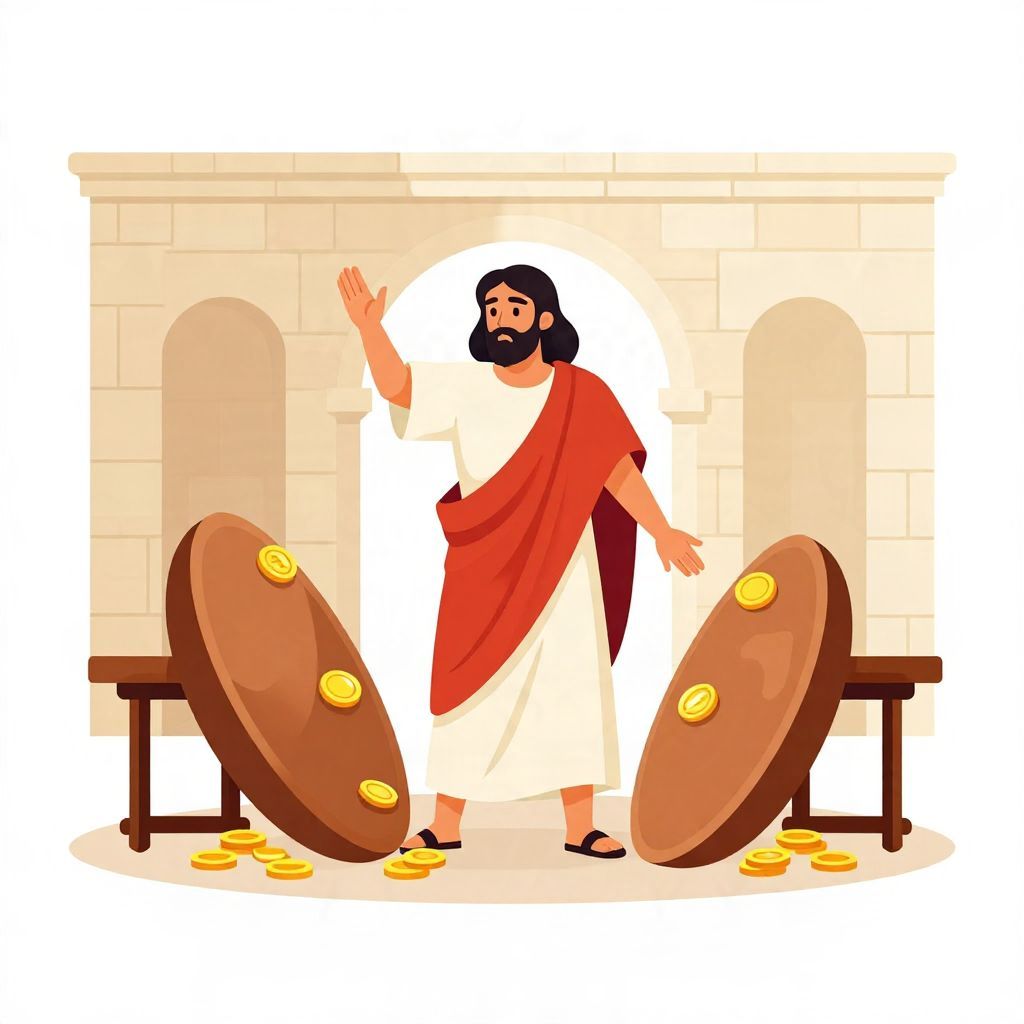
Have you ever felt a righteous anger bubbling within you, as you watch injustice unfold or witness the desecration of something sacred? In scripture, we encounter such a moment when Jesus flipped tables in the temple. This event raises essential questions about holiness, purity of worship, and the nature of our relationship with God.
Understanding why Jesus flipped tables illuminates both His character and the importance of reverential worship. This response came from His fierce love for God and His desire for purity in the place meant for communion with God. Let’s explore this profound event in Scripture and its implications for our lives today.
Why Did Jesus Flip Tables?
Jesus flipped tables to demonstrate His zeal for God’s holiness and to confront the rampant commercialism that had corrupted the temple. This act showcased His deep desire for sincere worship and relationship with God, which had been compromised by profit-seeking behaviors.
Context of Jesus’ Act
The event took place in the temple in Jerusalem, during the Passover festival, when crowds of worshippers flooded the city. The temple was to be a sacred space for prayer and worship, as stated in Isaiah 56:7, “My house will be called a house of prayer for all nations.” Yet, merchants converted this sacred space into a marketplace.
Motivation Behind His Actions
Jesus’ actions are rooted in Psalm 69:9, which states, “Zeal for your house consumes me.” His fervor for God’s sanctity prompted Him to take strong action against the corruption surrounding worship. The temple had become a hindrance to genuine connection with God instead of a sanctuary.
The Nature of Commercialism and Worship
Commercial activities in the temple created barriers for true worship. The noise of merchants and the transactions taking place drowned out prayers, making it impossible for worshippers to focus on God. When was the last time distractions stole your attention in your pursuit of Him?
The Significance of Flipping Tables
Jesus flipping tables is not merely an event to mark on the timeline of His life; it holds ongoing spiritual significance for believers today. It invites reflection on how we view worship and our relationship with God.
Righteous Anger
Righteous anger, as exemplified by Jesus, challenges complacency. It encourages believers to confront sin and misuse of sacred space. How comfortable are you with confronting sin in your life or in your environment?
A Call to Purity
Jesus’ actions serve as a clarion call for purity in worship. If He were to walk among us today, would He see our churches and personal lives as temples deserving reverence? Reflect on what compromises might have settled in during your spiritual journey.
Restoration of Purpose
By flipping the tables, Jesus aimed to restore the temple’s original purpose. His actions remind believers that worship is for glorifying God, not for personal gain or convenience. Is your worship directed toward God, or do other distractions cloud that focus?
Applications for Contemporary Worship
In light of Jesus’ demonstration, believers today should consider how they approach worship in their lives. Here are some practical applications:
- Evaluate personal motivations in worship.
- Create a space conducive to prayer at home.
- Seek to serve rather than profit in church involvement.
- Identify distractions in worship services.
- Encourage integrity in church leadership and practices.
Worship with Intent
Every believer is called to worship with intent. Understanding Jesus flipped tables out of a desire for holy worship should ignite a fire in the heart. What steps can you take this week to strengthen your worship experience?
Understanding the Cost of True Worship
True worship comes with a cost, often involving sacrificing personal preferences, time, and sometimes confronting uncomfortable truths. When was the last time a spiritual challenge produced growth in you?
The Importance of Prayer in Response
Jesus equated the temple with a house of prayer. The emphasis placed on prayer in worship cannot be understated. Prayer grounds believers in truth and aligns their hearts with God’s will.
The Role of Prayer in Worship
Prayer is essential in establishing a genuine connection with God. It shifts focus from the temporal to the eternal. Consider how you prioritize prayer in your daily life.
- Set aside dedicated time for prayer each day.
- Incorporate prayer before church services.
- Invite others to pray for one another.
Finding Your Prayer Style
Not everyone prays in the same manner. Discovering your prayer style can enhance your connection to God. Are you more reflective, articulate, or meditative in your prayer life?
Confronting Our Own Tables
Just as Jesus confronted the corruption in the temple, believers must confront the “tables” in their own lives—those distractions or sins that hinder true worship. What tables need flipping in your spiritual life?
Identifying Personal Barriers
Reflecting on personal barriers to an authentic relationship with God is crucial. Common distractions include:
- Busyness that overshadows spiritual time.
- Unconfessed sin that creates distance from God.
- Materialism beyond requirement, hindering generosity.
Flipping Tables in Daily Life
Believers are called to a daily practice of “flipping tables.” This involves actively taking steps to realign life with God’s purposes. What steps can you take today to flip an obstacle into an opportunity for growth?
The Call to Revitalize Worship
Jesus’ act serves as a profound message about the need to revitalize worship practices, both personally and communally. A cultural shift often demands an examination of heart motives and outreach efforts.
Encouraging Active Engagement
Participation in worship should not be passive. Encourage others to engage actively in their spiritual lives. How do you lead by example in your community of faith?
- Plan service activities that foster connection.
- Be vocal in sharing testimonies that inspire.
- Promote small group discussions focused on prayer and worship.
Promoting Inclusivity in Worship
Jesus sought inclusivity in the temple, welcoming all to come before Him. How are you promoting inclusivity within your community?
Final Reflections
Jesus flipping tables is a bold reminder of the passion He held for His Father’s house. It serves as a powerful metaphor for the call to keep our hearts and spaces pure for worship. Are we willing to confront our distractions and compromises?
As believers, understanding the depth of Jesus’ actions encourages a reflective approach to worship and community. Invite Holy Spirit to guide you in restoring purity in worship.
In light of these truths, commit to taking steps toward fostering a more vibrant, prayer-filled, and intentional worship experience. Are you ready to flip some tables?
Explore more faith-based topics and articles to deepen your walk with Christ. Consider praying for Israel or join in a prayer for the Church as you seek clarity and growth in your spiritual journey.