
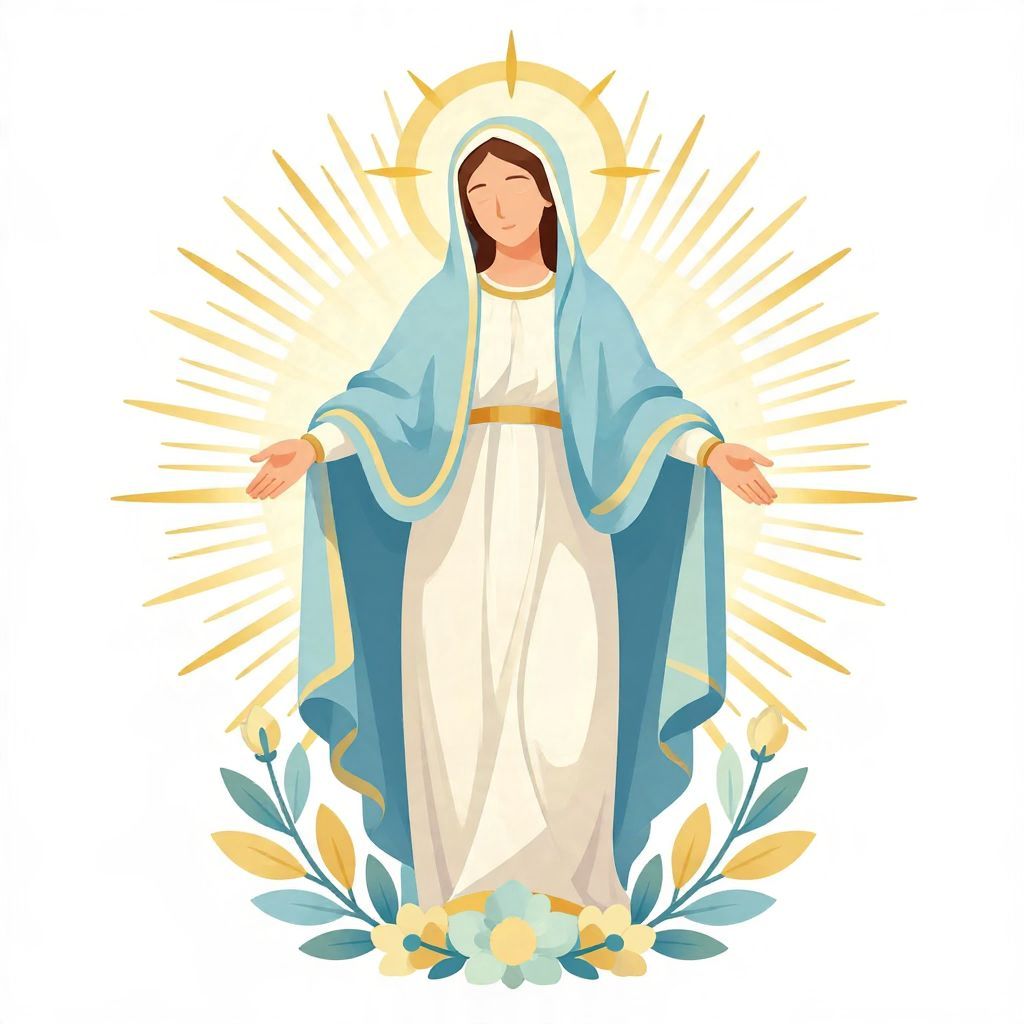
Does it feel like Catholic practices surrounding Mary sometimes obscure the core message of faith in Christ? Many share concerns about whether Catholics are placing Mary on a pedestal meant only for God. Understanding this topic requires careful exploration of Scripture, tradition, and the heart of Christian worship.
This article seeks to clarify the role of Mary in Catholicism and establish a biblically grounded approach to honoring her while keeping our devotion firmly directed towards Jesus Christ.
Do Catholics Worship Mary?
No, Catholics do not worship Mary. They honor her as the Mother of God and ask for her intercession in prayer. Worship is due to God alone, while honoring Mary acknowledges her unique role in salvation history.
Understanding Worship
To comprehend the Catholic view of Mary, it is crucial to define worship. Worship signifies the reverence and adoration one gives to God alone. Scripture upholds this truth, as seen in Matthew 4:10, where Jesus states, “Worship the Lord your God and serve him only.”
Catholics express devotion toward Mary through veneration, which is distinct from worship. This honor recognizes her significance without equating her with God.
The Role of Mary in Scripture
Mary occupies a special place in the biblical narrative. God chose her to bear the Savior, showcasing His grace and faithfulness. Luke 1:28 reveals the angel Gabriel addressing Mary, saying, “Greetings, you who are highly favored! The Lord is with you.” This affirmation highlights her unique calling.
Throughout the Gospels, we see her steadfast faith. At the wedding in Cana, Mary directs servants to Jesus, signaling His first miracle (John 2:5). This act embodies her role as an intercessor, pointing others to Christ.
Common Misconceptions About Mary
Catholic Doctrine and Beliefs
There are several misconceptions about how Catholics view Mary. Firstly, some assume that Catholics believe Mary is divine. Catholic doctrine firmly denies this, teaching that Mary is human, highly favored, and called to a significant mission but not divine.
Secondly, the veneration of Mary often leads to confusion regarding the nature of prayers offered to her. Catholics pray to Mary asking for her intercession, similar to how one might ask a friend to pray. They believe in the communion of saints as described in Hebrews 12:1, supporting the idea of seeking intercession from those in heaven.
The Hail Mary Prayer
The Hail Mary is a prayer often misunderstood. It begins with the angel Gabriel’s greeting and acknowledges Mary’s role as the Mother of Jesus. It is essential to recognize that asking for her intercession is not an act of worship but an invitation for her to pray for us. Prayer such as this merely reflects one’s respect for her. It mirrors the way one might ask family or friends to pray for them.
Some may see the Hail Mary as excessive, but it comes from a desire to honor Mary, not to overshadow Jesus. Catholics believe she intercedes gracefully as a loving mother.
Why Catholics Honor Mary
The Gift of Intercession
Honoring Mary provides a unique perspective on intercession. Catholics believe that just as friends on earth can pray for one another, so can saints in heaven. Mary, being close to Jesus, has an unparalleled relationship that empowers her intercession.
As seen in Revelation 5:8, the prayers of the saints rise before God like incense. This illustrates the belief that Mary’s prayers carry great weight, leading many to seek her assistance. It’s an expression of family united in faith.
Mary as a Model of Faith
Mary serves as a powerful example of discipleship. Her response to the angel Gabriel in Luke 1:38 shows her willingness to submit to God’s will. “I am the Lord’s servant,” she states, demonstrating humility and obedience.
Every Christian can learn from Mary’s example of faith. She embodies virtues such as trust and courage, making her an excellent role model for believers walking in faith today.
Scriptural Foundations of Honor
The Magnificat
Mary’s song, or the Magnificat, found in Luke 1:46-55, reveals her understanding of God’s greatness. She praises Him for choosing her and for His mercy toward all generations. This passage emphasizes her humility and deep faith rather than a desire for adoration.
This canticle shows that Mary’s focus remained on God’s glory—a reminder that any honor paid to her ultimately reflects back to Him. The passage is infused with Scripture, underscoring God’s promises to His people.
Mary as the Ark of the Covenant
Many Catholics view Mary as the new Ark of the Covenant, a sacred vessel. Just as the original Ark contained the presence of God, Mary bore Jesus, who is God incarnate. This profound truth engages the heart in recognizing her exceptional role.
1 Corinthians 3:16 tells us that we are temples of the Holy Spirit. If God chose to dwell in Mary, how much more should we honor her for such a great privilege? This concept helps connect Mary’s honor with glorifying God.
Mary in Catholic Doctrine
The Immaculate Conception
The Immaculate Conception professes that Mary was conceived without sin. Catholic teaching reflects on God’s divine plan in preparing Mary to be the mother of Jesus. It emphasizes her purity and willingness to accept God’s mission.
This doctrine engages believers in acknowledging God’s ability to work through human vessels, encouraging faith in His power to redeem and sanctify. Those who view this teaching with suspicion must recognize the scriptural basis for God’s ability to make the ordinary extraordinary.
The Assumption of Mary
The Assumption of Mary teaches that at the end of her earthly life, God assumed her into heaven. This belief resonates with the hope of resurrection promised in Revelation 21:4, where God promises to wipe away every tear.
Mary’s Assumption illustrates God’s victory over sin and death, encouraging believers to look forward to the eternal life awaiting them as well. It can be seen as a foreshadowing of the heavenly expectation that all faithful followers of Christ can anticipate.
Practicing Honoring Mary Wisely
Prayer and Reflection
Engaging in prayer towards Mary can deepen one’s faith. Rather than turning to her as the source of grace, view her as a conduit pointing towards Christ. Regularly reciting prayers like the Hail Mary, the Rosary, or the Magnificat invites personal reflection on her life and faithfulness.
How might including Marian prayers in your daily routine enhance your spiritual walk? Take a moment to consider their place in your relationship with God.
Seeking Intercession
Many believers choose to ask for Mary’s intercession, particularly in difficult times. This request acknowledges her understanding and connection to Jesus. Yet, it remains vital to remember that Christ is the ultimate mediator.
How comfortable do you feel seeking intercession from a saint? Would you approach a loved one for support and prayer? It’s beneficial to broaden our understanding of community in faith.
Exploring Scripture
Read and meditate on Scripture passages that highlight Mary’s role. The Gospels offer rich insights into her life and faith. Engaging with these texts can foster a deeper understanding of her significance without losing focus on Christ.
Have you explored how Mary’s faith influenced your walk with God? Reflecting on her life can inspire a more profound commitment to follow God with diligence.
Conclusion
Debunking misconceptions surrounding Mary helps center the conversation around her honor, not worship. Catholics do not worship Mary but celebrate her as the Mother of God and a model of faith. Engaging with Mary appropriately can enrich Christian life and deepen devotion to Christ.
Consider where you might expand your understanding of Mary’s role in your own faith. Pray about how elements of reflection and intercession might grow your relationship with God above all.
As you continue exploring faith-based topics, consider checking out our resources about prayers for the dying Catholic and a prayer for the Holy Souls in Purgatory. These resources can help guide you in your prayer life and understanding of the Catholic faith.