
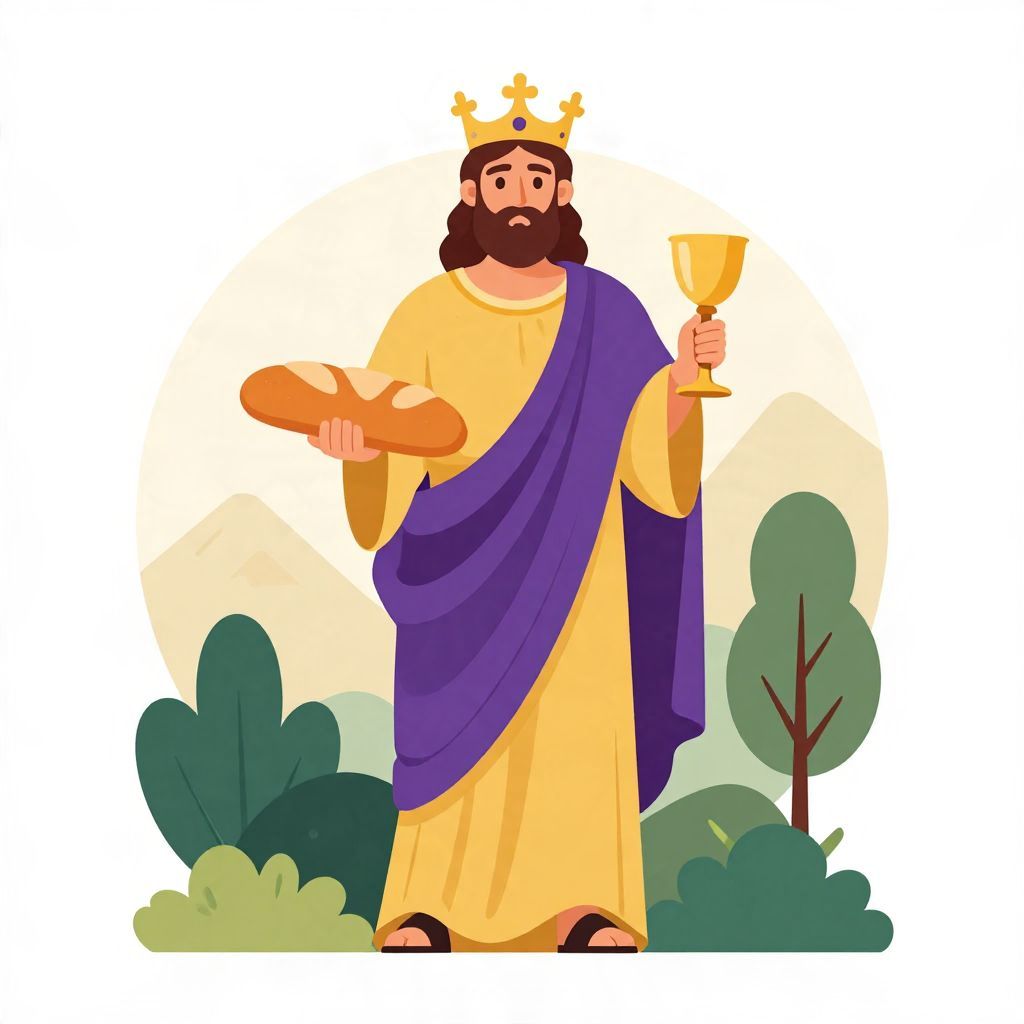
Have you ever wondered about the mysterious figure of Melchizedek mentioned in the Bible? This enigmatic character appears suddenly in the narrative and seems to fade just as quickly, leaving many questions in his wake. Understanding Melchizedek helps us grasp deeper spiritual truths about priesthood, Jesus, and God’s promises.
In this article, we will explore who Melchizedek is, his significance in Scripture, and what this means for our faith today. Delving into the Word reveals a profound connection between Melchizedek and the story of redemption through Jesus Christ.
Who Is Melchizedek In The Bible?
Melchizedek is a unique figure in the Bible, appearing in Genesis 14:18-20. He is described as the king of Salem and a priest of God Most High. Melchizedek blessed Abram after his victory over the kings and received a tithe from him, creating a powerful link between priest and king. His role as both king and priest foreshadows Jesus Christ, who fulfills those roles in perfection.
Melchizedek’s Encounter with Abram
In Genesis 14, we find Melchizedek meeting Abram after a significant military victory. Abram rescues his nephew Lot and returns victorious. Melchizedek brings bread and wine, symbolizing communion and nourishment, and blesses Abram.
This blessing contains deep spiritual meaning, highlighting God’s favor. Melchizedek declares, “Blessed be Abram by God Most High, Creator of heaven and earth” (Genesis 14:19). This acknowledgment of the One true God emphasizes Melchizedek’s role as a priest, serving the same God whom Abram worships.
The Significance of Tithing
Melchizedek receives a tithe from Abram, which is significant. Tithing represents a physical acknowledgment of God’s provision and a spiritual act of faith in returning to God a portion of what He has given.
- Tithing highlights the importance of recognizing God’s sovereignty.
- It provides a model for God’s people to honor Him through stewardship.
- The act of tithing connects us to a greater legacy of faith.
Melchizedek in the Scriptures
In addition to his appearance in Genesis, Melchizedek is referenced in Psalm 110:4 and the book of Hebrews, which expounds significantly on his role. Understanding these references enriches our grasp of his importance in a biblical context.
Psalm 110:4 – A Priest Forever
Psalm 110 speaks of a priesthood that surpasses the Levitical order: “You are a priest forever, in the order of Melchizedek.” This statement sets a foundation for comprehending the eternal nature of Christ’s priesthood.
Unlike the temporary Levitical priests, who offered sacrifices that could not fully atone for sins, Melchizedek’s eternal priesthood points us towards Jesus, who offers the ultimate sacrifice.
Hebrews’ Revelation of Melchizedek
The book of Hebrews delves deeply into the significance of Melchizedek in chapters 5-7. It establishes Him as a prototype of Jesus’ eternal priesthood.
Hebrews 7:3 describes Melchizedek as “without father or mother, without genealogy, without beginning of days or end of life.” This portrayal emphasizes his unique, eternal priesthood.
- Jesus’ priesthood is superior because it is not tied to lineage.
- He does not need to make repeated sacrifices; one offering suffices.
- Melchizedek points to Christ’s eternal reign as king and priest.
Lessons from Melchizedek for Christian Living
Melchizedek teaches several valuable lessons applicable in our daily walk with God. His example challenges Christians to reflect on our faith and relationship with God.
The Importance of Jesus as Our High Priest
Recognizing Jesus as our High Priest brings us tremendous comfort. He intercedes for us before God, understanding our struggles.
Hebrews 4:15 assures believers that Jesus empathizes with our weaknesses. He was tempted as we are but remained sinless, ensuring we can approach God with confidence.
Embracing the Call to Serve
Melchizedek’s dual role as a king and a priest illustrates a calling to serve others. Christians are to embody both leadership and servanthood in their communities.
This call invites believers to recognize their identities as both ministers of the Gospel and as ordinary citizens contributing to society’s well-being.
The Principle of Generosity and Tithing
Taking a cue from Abram and Melchizedek, believers should prioritize generous giving. Tithing goes beyond mere obligation; it reflects gratitude for God’s provision.
- Analyze your stewardship: Do your financial choices reflect a commitment to God?
- Practice generosity: Engaging with the needs of your community demonstrates love.
- Pray about your giving: Seek God’s guidance in how best to support others.
Melchizedek’s Legacy in Christian Theology
Melchizedek serves as a pivotal figure in understanding Jesus’ roles in Christian theology. Recognizing his legacy elevates our appreciation for Christ’s work on the cross.
Typology: Melchizedek as a Foreshadowing of Christ
Typology involves recognizing figures in the Old Testament that prefigure and foreshadow Christ. Melchizedek fits this definition perfectly, embodying the ideal priest-king.
The connection invites Christians to explore themes of grace, redemption, and fulfillment found in Christ’s ministry.
The Eternal Priesthood of Christ
The Hebrew writer emphasizes that Christ’s priesthood, like Melchizedek’s, is eternal and unchanging. This assurance strengthens believers to trust in God’s continual presence and support.
Hebrews 7:24-25 confirms, “But because Jesus lives forever, he has a permanent priesthood. Therefore he is able to save completely those who come to God through him.”
Worshiping the God Most High
Melchizedek’s name translates to “king of righteousness,” symbolizing an invitation for us to connect with the righteous God. Every focus on Melchizedek calls us back to worship the Lord Most High.
Daily Worship in Our Lives
Engaging in daily worship allows believers to recenter their lives around Christ. This could involve prayer, reading Scripture, or serving others.
Consider how you can integrate worship into your daily routines. What practices can draw you closer to God?
Recognizing His Sovereignty
Understanding God’s sovereign role in your life aligns your heart with His will. Melchizedek blessed Abram acknowledging God as the true source of victory.
When challenges arise, remember to seek God’s involvement. Trust in His guidance and provision in every circumstance.
A Call to Emulate Melchizedek Today
Melchizedek stands as a reminder for believers to live lives marked by faith and service. Emulating his attributes can significantly impact your walk with God.
Reflecting on Your Identity in Christ
As believers, we find our identity rooted in Christ. Like Melchizedek, we enter into a priestly role, called to mediate and serve others.
- Study your role: What does it mean to be a priest in your sphere of influence?
- Seek opportunities to bless others: Identify ways to serve those around you.
- Stand firm in your faith: Trust in God’s provision as you step into your role.
Living with Purpose and Faith
Let Melchizedek’s example encourage you to engage with the world purposefully. Live out your faith intentionally by seeking opportunities for connection and growth.
Ask yourself: How can you make a meaningful impact on those around you? Challenge yourself to take action.
As we explore faith-based topics and articles, consider learning more about prayer for the holy souls in purgatory or prayer for souls in purgatory (Catholic). Each step toward understanding strengthens your faith and deepens your commitment to God’s word.